
 E-Paper



2km of Najafgarh drain cleared, 10km left in phase 1 of rejuvenation project
Since October 15, at least 17,000 metric tonnes of silt have been removed from the 2km stretch, said an official of the irrigation and flood control department


Delhi’s irrigation and flood control (I&FC) department, which is undertaking the rejuvenation of Najafgarh drain in an effort to promote eco-tourism in the area and clean the Yamuna river, has de-silted and cleared waste from a 2km stretch of the drain between Timarpur and Basai Darapur. Another 10km stretch is left to be cleared in the first phase of the rejuvenation project, which is being monitored by Lieutenant Governor (LG) V K Saxena.
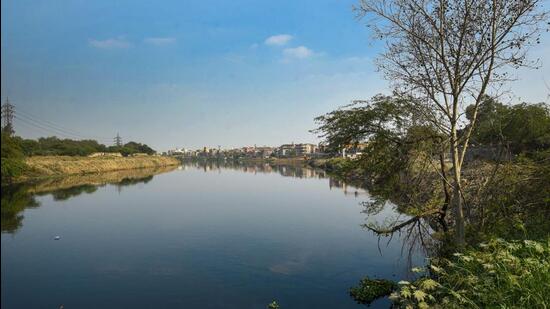
“Since October 15, at least 17,000 metric tonnes (MT) of silt have been removed from the 2km stretch,” said an I&FC official on Thursday.
The 57km-long drain connects Najafgarh jheel to the Yamuna river and at least 121 smaller drains discharge sewage into it. With 3 to 4 lakh metric tonnes of sewage and silt deposited in the drain annually, officials estimate the total solid waste in the drain could be 85 MT.
“The solid waste mounds in the drain are blocking the natural water flow, especially in the rainy season, resulting in the drain overflowing,” the official added.
The removal of thick silt, waste and hyacinth has been done with the help of non-conventional floating equipment and a contraption modified with rakers and spikes attached to boats. Through partial gravitation de-silting, flowing water was used to loosen and churn silt. Then, silt was removed physically from the drain’s banks.
LG Saxena, who plans to turn the area into an eco-tourism hub with a navigable waterway for activities like boat rides and water sports, has been personally overseeing the project for the past five months.
On his instructions, a de-silting monitoring centre has been set up near Timarpur bridge and another one is being established at Bharat Nagar, officials said. “The upcoming centre will be operational by December 15. Display boards at these centres will exhibit the amount of silt or sewage removed on a daily basis,” the official added.
Manoj Misra, convener of the Yamuna Jiye Abhiyaan (YJA), says in order to clean the river, it was important to tap all sources of pollution going into the river through various drains, including the Najafgarh drain. “It is important to not only clean these drains, but tap all sources of sewage and industrial effluent. They should be connected to sewage treatment plants, plans for which are in place. However, multiple deadlines have been missed,” he said.


