
 E-Paper



Delhi govt schools yet to trace 20% students
New Delhi: A day after the first phase of the Delhi government’s three-stage action plan for the ongoing academic sessions for its 1,030 schools ended, principals of several institutions on Sunday said they were not able to reconnect with at least 20% of their students

 Prefer HTon Google


A day after the first phase of the Delhi government’s three-stage action plan for the ongoing academic sessions for its 1,030 schools ended, principals of several institutions on Sunday said they were not able to reconnect with at least 20% of their students. A majority of these students, they said, are in primary and upper primary classes.
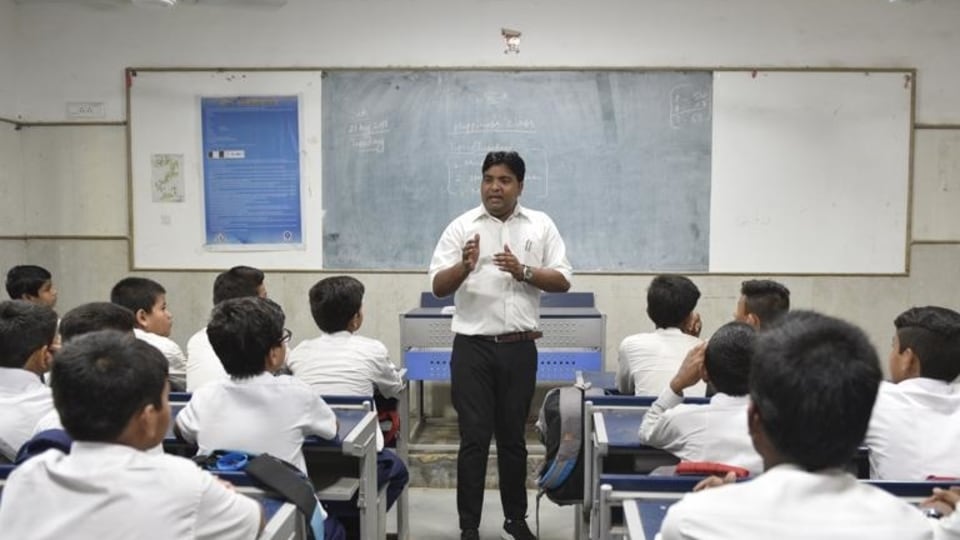
The Delhi government on June 26 issued a three-stage action plan to classes in its schools, which have been shut for in-person classes due to the Covid-19 pandemic. Schools were asked to re-connect with students, provide emotional support and bridge learning gaps, and then begin academic activities in earnest. In the first stage, which took place between June 28 and July 3, schools started reconnecting with students via calls, SMS, and in-person visits.
Awadesh Kumar Jha, principal of Sarvodaya Co-ed School in Rohini, said the school tried to make phone calls to students and also sent teams to visit nearby localities with loudspeakers to announce the resumption of classes.
“Despite that, we could not get in touch with 20-25% of students. Either their phone numbers have changed, or they are not in the city. While we have got in touch with around 85% of students in classes 9, 10, and 12, this number is lower for those enrolled between classes 6 and 8. We will intensify efforts to ensure the remaining students get in touch with their teachers.”
Harpreet Kaur, principal of Sarvodaya Kanya Vidyalaya (SKV) in Tilak Nagar, said the situation was similar in their institution.
“In fact, we started contacting students a week before the government issued the three-stage action plan, but the response among students enrolled in classes 1 to 8 is discouraging. We will now try other ways to get in touch with them,” she said.
For the second phase of the resumption plan, schools have been asked to provide emotional support and bridge students’ learning gaps, before beginning classes from August 2, when the final phase of the plan comes into effect. “From this week, we will hold interactive sessions with students to identify their learning gaps and assess emotional well-being. After that, we will start one or two remedial classes a day to revise last year’s syllabus and prepare students for this session,” Kaur said.
Similarly, officials at government schools in Rouse Avenue, Mayur Vihar, Karawal Nagar, Jasola, Yamuna Vihar and Subhash Nagar said they connected with fewer students than they expected to.
Dr Davinder, principal of Sarvodaya Bal Vidyalaya (SBV) in Rouse Avenue, said they were yet to get to track down around 40% of their students.
At least 20% students in Jafrabad’s Zeenat Mahal Sarvodaya Bal Vidyalaya (evening) are yet to get in touch with their teachers, and officials said they will amp up efforts to bring children back to classes.
“We will make announcements from mosques and other places of worship to request parents to contact the school. We will also engage members of the school management committee and give a list of students to get in touch with,” said Ganpath Raj, the school’s principal.
Officials in the education department said the Delhi government will also step in to ensure parents are aware of the resumption of classes before the final phase of lessons from August 2.
“The government is also going to conduct a two-week parents-teachers meeting from July 18 to connect with as many parents as possible. Schools will also continue their efforts to trace each and every student,” the official said.


