E-Paper



Assam set to redraw Pobitora Wildlife Sanctuary boundaries
Covering an area of 38.81 sq km, the Pobitora Wildlife Sanctuary was notified by the Assam forest department in March 1998

 Prefer HTon Google


The Assam government has established a committee to redraw the boundary of the Pobitora Wildlife Sanctuary, which has one of the highest concentrations of one-horned rhinos in the world, a day after Prime Minister Narendra Modi visiting the Kaziranga National Park and Tiger Reserve on March 9.
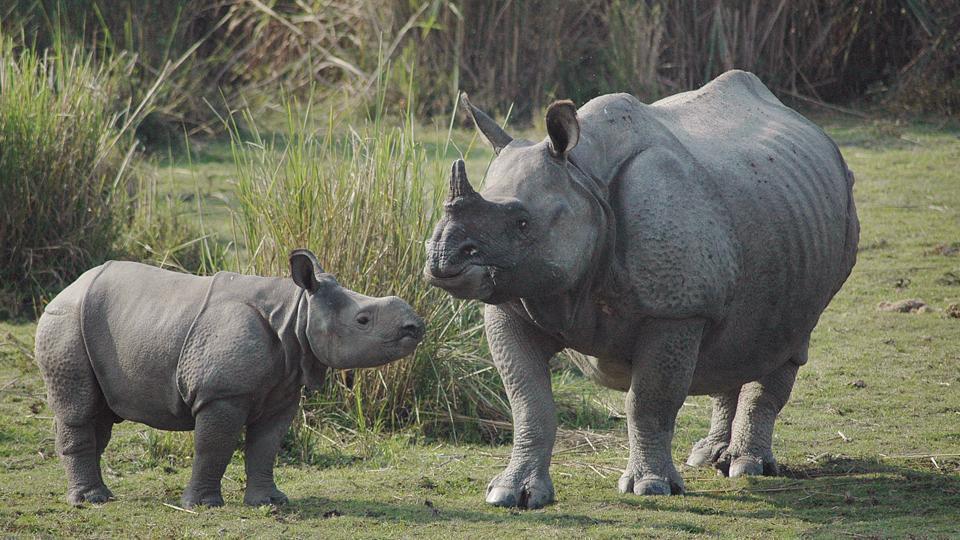
The state cabinet on Sunday decided to withdraw the notification on the sanctuary. The decision wasn’t made public, but the state government mentioned it in an affidavit filed in the Supreme Court in connection with a petition filed by environmental activist Rohit Chudhury regarding non-declaration of eco-sensitive zones around the sanctuary in violation of an apex court order of December 2018.
HT has seen the minutes of the cabinet meeting regarding the issue, which was submitted in the Supreme Court. The matter will come up for hearing on Wednesday.
Covering an area of 38.81 sq km, the Pobitora Wildlife Sanctuary was notified by the Assam forest department in March 1998. But the issue regarding the notification was not placed before the cabinet earlier, and there was no approval from the then chief minister Prafulla Kumar Mahanta.
As per the minutes of the cabinet meeting, the 1998 notification included government land in the wildlife sanctuary without settling rights of “deprived and marginalized sections of society” who were residing in three villages “even before Independence”.
“The cabinet held the view that in light of the facts and circumstances in the matter leading to the issue of final notification of PWS on March 17, 1998, the said notification declaring PWS should be withdrawn,” the minutes of the meeting said.
“The cabinet at the same time also observed that it is important to declare Pobitora area as a wildlife sanctuary in view of the large number of rhino population that it houses together with substantial population of other wildlife such as wild buffaloes, leopards, wild boar, barking deer etc, which needs protection,” it added.
The cabinet approved creation of a committee headed by special chief secretary, forest, MK Yadava, which has been asked to study all details and such mitigation measures to people who will be affected by the move. It has been asked to submit a report within six months.
“It’s surprising that the Assam cabinet took the decision to withdraw notification for PWS and redraw its boundary just a day after the Prime Minister visited Kaziranga. Once the boundary is redrawn by keeping the three villages out, the area of the santuary could get reduced to around 28 sq km,” a wildlife activist said on condition of anonymity.
According to a census carried out in 2022, the sanctuary has a population of 107 rhinos, which is the highest density of the species in the world.