
 E-Paper



Chhattisgarh plans legislation for quota as per population of communities
In August 2019, the state government increased the OBC and SC quotas from 14% to 27% and 12% to 13% even as the reservation for STs remained unchanged at 32%


The Chhattisgarh government plans to introduce a bill in the assembly for reservation in jobs and educational institutions proportional to the populations of communities including Scheduled Castes (SCs), Scheduled Tribes (STs), and Other Backward Classes (OBC). The draft bill will be discussed at the state Cabinet meeting on November 24 before it will be tabled during a two-day special assembly session from December 1, officials familiar with the matter said.
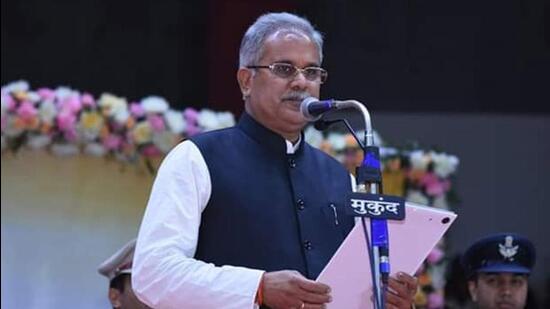
In August 2019, the state government increased the OBC and SC quotas from 14% to 27% and 12% to 13%. The reservation for STs remained unchanged at 32%. The Chhattisgarh high court in October 2019 directed the government against proceeding with an ordinance to increase the OBC quota.
An official in the chief minister’s office said the court pointed to a lack of data for the quota increase and stayed the move. “The government formed a Chhattisgarh Quantifiable Data Commission, which has submitted a report. Accordingly, a bill will be tabled in the assembly,” said the official, requesting anonymity.
The official said the increase will be as per the 2019 announcement. In September, the high court reduced the quota for tribals from 32% to 20%. The state government in 2012 order raised the quota of tribals and took the overall reservations to 58%, which the court said was unconstitutional.
Tribal groups have been staging protests demanding the restoration of at least 32%. Chhattisgarh governor Anusiya Uike last week wrote to the state government suggesting a bill or an ordinance to resolve the issue. She cited dissatisfaction over the matter and said it may lead to law and order issues. Uike said it is her responsibility to ensure the protection of the tribal interests in the tribal-dominated state.


