E-Paper



Climate crisis: Odisha first coastal state to assess vulnerability
The macro/micro vulnerability analysis, the first one among all coastal states, will be undertaken with the help of various research institutes and is expected to help the state prioritise some of its activities under State Action Plan on Climate Change for 2021-30

 Prefer HTon Google


With climate crisis impacting the Odisha’s economy, the state is planning a vulnerability and risk assessment for its 10 agro-climatic zones using around 40 indicators such as BPL population, infant mortality rate, fertiliser application, livestock, annual average rainfall, migration, heatwaves, frequency of storm surges and solid waste generation.
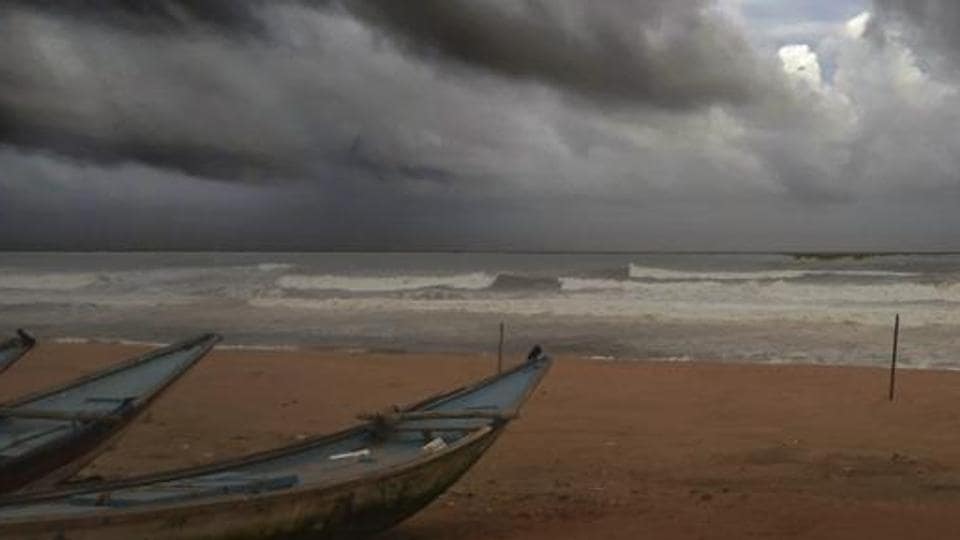
The macro/micro vulnerability analysis, the first one among all coastal states, will be undertaken with the help of various research institutes and is expected to help the state prioritise some of its activities under State Action Plan on Climate Change for 2021-30.
Director of environment Susanta Nanda said though such risk assessments were done for some districts earlier, the assessment is being done for the entire state for the first time.
“This could be the first such vulnerability analysis for any coastal state with so many social, environmental, physical, agricultural and health parameters. The analysis would help with policy briefs for decision makers based on scientific evidence, and building up better awareness of community on climate change and its impacts. The mapping will be done by the end of this year and help us in risk mitigation,” said Nanda.
Also Read | Man arrested for burning woman in Odisha’s Ganjam
Among the first to recognise the threat posed by the climate crisis, Odisha was one of the first states in the country to prepare a comprehensive and consultative state action plan involving diverse stakeholders. In 2020-21, it was the first Indian state to present a climate budget. To address the issue of climate crisis, Odisha formulated its State Action Plan on Climate Change in 2010, which was revised for 2021-30 as per the commitments made in the SDG-NDC report.
Officials said the risk analysis would use various existing assessments such as vulnerability to floods in coastal Odisha, vulnerability to agricultural drought in western Odisha and district-level analysis of climate vulnerability and household nutrition status among rural communities in Odisha.
In a state with high poverty levels (32.5%), higher than the national average (21%), disaster management experts say the climate crisis has the potential to derail the current growth strategy and deepen poverty in Odisha. Dr Anil Gupta of National Institute of Disaster Management said the direct impacts of extreme climate-induced events could affect the state’s economic growth and nullify the effectiveness of macroeconomic policies and pro-poor initiatives.
“It’s an appreciable initiative for a state like Odisha which is a pioneer in disaster management. The need to address vulnerability in agro-climatic zones is very necessary and hazard assessment is must. Improved scientific evidence base and coordination mechanisms between scientific research and academic institutions (including both national and state-level agencies) for building scientific data and evidence base for the state and collation of available scientific information and data on climate change pertaining to the state,” said Dr Gupta.
According to the Odisha State Disaster Management Authority, for 95 of the last 105 years, Odisha has been affected by disasters brought on by heat waves, cyclones, droughts, and floods. Since 1965, these calamities have become more frequent and widespread. Natural calamities have seriously affected household income and set back the state’s economy. A report by World Bank, Asian Development Bank and various UN agencies in the wake of Cyclone Fani that hit Odisha coast in May 2019, assessed the state’s loss at ₹24,176 crore, while a similar report by World Bank after the Cyclone Phailin in October 2013 estimated the total damages and loss caused at about ₹8902 crore, bulk of which was in housing, agriculture and livestock.
Officials said the vulnerability analysis would be done by downscaling global climate models with the help of research institutes and organisations such as the Odisha State Disaster Management Authority and Odisha Remote Space Application Centre etc. These new research and data will be used for necessary modification of the SAPCC and prioritisation of activities already proposed within the state annual plan for climate crisis.