
 E-Paper



Delhi govt school children in classes 11, 12 to get ₹2,000 seed fund: Sisodia
As part of its Entrepreneurship Mindset Curriculum introduced in 2019, students at Delhi government schools received ₹1,000 as seed money for their approved business ideas. This March, the Delhi government proposed to increase the seed money to ₹2,000.

 Prefer HTon Google


Encouraged by the success of 41 government school students who used the seed money of ₹1,000 per student to deliver nine profitable entrepreneurial projects, deputy chief minister Manish Sisodia on Monday said that the pilot will be extended to all government school students of classes 11 and 12 with the amount being increased to ₹2,000 as announced during the annual budget this year.
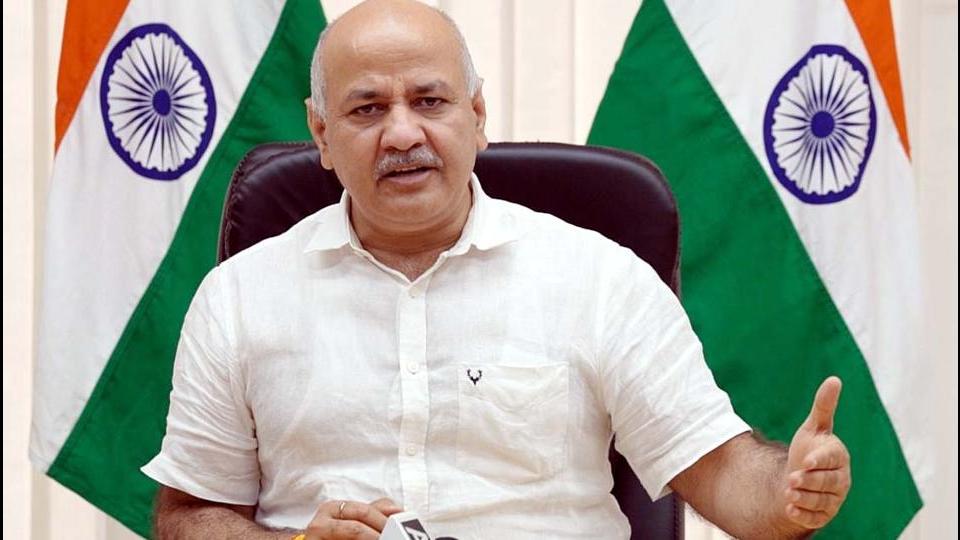
As part of its Entrepreneurship Mindset Curriculum introduced in 2019, students at Delhi government schools received ₹1,000 as seed money for their approved business ideas. This March, the Delhi government proposed to increase the seed money to ₹2,000.
The scheme will benefit nearly 350,000 students, Sisodia said.
Sisodia also said that based on the results of the pilot project, the government may include a component of the EMC projects in its start-up policy that is currently in the works.
From selling refurbished mobile phones, handmade chocolates, handicrafts, and jewellery to building low-cost bluetooth speakers, 41 students from School of Excellence in Khichripur – where the pilot was made operational – on Monday exhibited their projects at an event organised by the Delhi government.
The project leaders, who are now in Class 12, said they used the lessons learned in EMC classes to turn their skills and hobbies into profitable ventures. For instance, Abhishek Soni, a Class 12 student at the Khichripur school, and a self-trained sketch artist, has been selling his artwork for over a year to pay his tuition fee. Following the EMC classes, Soni and four of his classmates got together to develop their business idea “Tap and Draw” using the collective seed money of Rs.5,000. The students said they have sold artwork worth Rs.20,000 so far.
“We have also set up a sales commission of 20% to resolve conflict within the group. Each student is excited to bring in more orders. The quality of our products speaks for itself, and our business is mainly based on orders from social media or through word-of-mouth promotion,” said Soni.
The students also plan to expand their ‘businesses’ to rope in members of their community to generate jobs. “We have approached women living on the streets and are collaborating with them to ensure they get some work. Since we will have our board exams soon, we can outsource the work so that both of us can gain something in the process,” said Shiza Ali and Sakshi Jha, two best friends who collaborated on the project ‘Home 2 creation’ to sell handmade handicrafts and chocolates.
“We were instructed by our business coach to conduct market survey to look for quality products under affordable range. Most of the bakeries were not keen on sharing their recipe for chocolates so I had to learn through other channels, including YouTube. We hope to turn this into a profitable model so that we can rope in interested homemakers who may want to earn some money during their free time,” said Jha, who made a profit of around ₹9,500.
Students pursuing masters in business administration course at the state government’s Delhi Technological University were roped to mentor the students as business coaches.
The pandemic-induced economic crisis made it challenging for most students to convince their customers to go for their product. “People were facing economic hardships during the lockdown and many struggled to even get two meals per day. It was difficult to get customers and even if we did, sometimes they did not like the handmade jewellery and would return the product. We were taught by our instructors to keep all this in mind while investing in the business and marketing the products,” said Muskan Soni, who recovered her seed money and earned a profit of ₹1,865.
Class 12 student Sukh Sagar, who was a part of the eight-member group MOBISITE, knew the basics of repairing a mobile phone due to a close friend working in the profession. “I learned more about the job after we decided to set up this projects. Our team members work on different areas of the business including marketing, managing content, handling social media,” he said, adding that their business of selling refurbished mobile phones made a profit of nearly ₹22,000.
Other projects include selling personalised mugs, T-shirts, keychains and other accessories; cultural paintings; developing low-cost bluetooth speakers; eco-friendly compost; and a system to share subscriptions for OTT platforms at a low cost.


