E-Paper



Delhi HC collegium removes judge pick after proposal sent to Supreme Court
The Delhi High Court collegium has withdrawn a lawyer's judgeship recommendation and added two names, marking an unusual mid-process correction in appointments.

 Prefer HTon Google


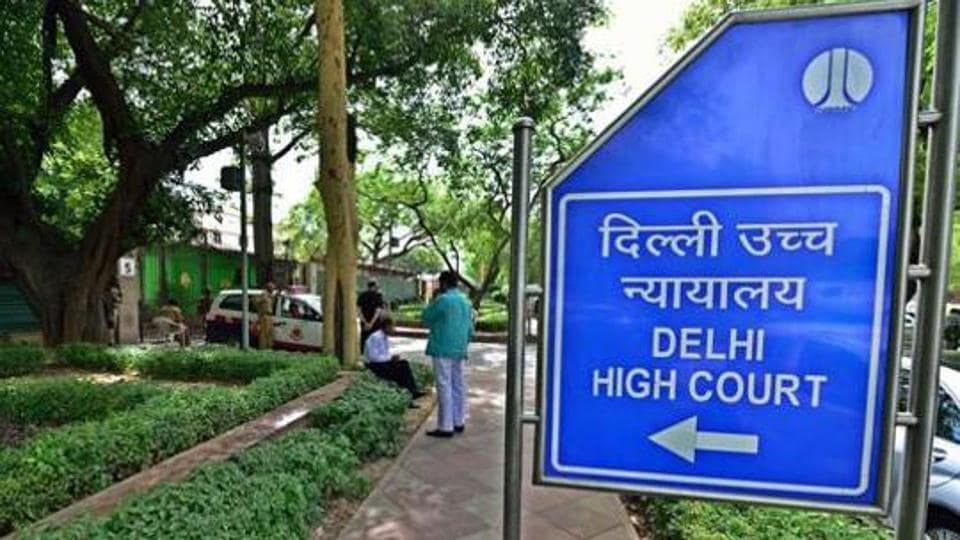
The Delhi High Court collegium has taken the unusual step of withdrawing the name of a lawyer recommended for judgeship after the proposal had already been formally sent to the Supreme Court collegium, the Union government and the Delhi government, in what is being seen as a rare mid-course correction in the judicial appointments process.
The move marks an unprecedented churn in the Delhi High Court’s ongoing exercise to elevate lawyers from the bar, the first such recommendations initiated under chief justice DK Upadhyaya and the first substantial set of names forwarded by the court in over a year.
People aware of the development said that the three-member collegium, comprising chief justice Upadhyaya and justices V Kameswar Rao and Nitin W Sambre, in the last week of May, cleared seven names for appointment as judges of the high court.
The original list comprised the names of advocates Sameer Vashist, Sandeep Mahapatra, Sandeep Sharma, Ravi Prakash, Amit Prasad, Kadambri Singh and Prachi Mishra. The recommendations were then forwarded to constitutional consultees, including the Supreme Court collegium, the Union law ministry and the Delhi government.
However, in a fresh communication sent earlier this week, the collegium withdrew the recommendation of advocate Prachi Mishra and simultaneously expanded the list by adding two names, of senior advocate Aseem Chawla and advocate Geetanjali Malviya Ojha.
The revised list now contains eight names.
The development is significant because once a high court collegium recommendation enters the consultative process, withdrawal of an individual’s name is uncommon. Typically, recommendations are processed as a single collegium resolution and any substantial reconsideration may require the high court collegium to revisit the exercise afresh.
What makes the present case noteworthy is that the collegium appears to have retained the remaining recommendations while dropping one candidate and introducing two new names through a subsequent communication.
The reasons behind the withdrawal of Mishra’s name could not be immediately ascertained.
To be sure, this is the first judicial appointment exercise undertaken by chief justice Upadhyaya since his transfer from the Bombay High Court earlier this year. The last lawyer to be appointed a judge to the Delhi High Court was justice Tejas Karia in February 2025.
Among the recommended names, Amit Prasad is widely known for having served as the special public prosecutor in the Delhi riots larger conspiracy case. Senior advocates Kadambri Singh and Ravi Prakash practice in civil matters, while senior advocate Sandeep Sharma has extensive arbitration experience. Sameer Vashist and Sandeep Mahapatra have been standing counsel with the Delhi and central governments, respectively.
Among the two new names, Aseem Chawla is a senior advocate with extensive practice in taxation, commercial and regulatory law. Geetanjali Malviya Ojha has civil practice.
The recommendations will be examined by the Supreme Court collegium headed by Chief Justice of India Surya Kant after the receipt of the Intelligence Bureau reports, before being sent to the Union government for final appointments. The Delhi High Court is presently functioning with 44 judges against a sanctioned strength of 60.