
 E-Paper



Dengue to be over as winter sets in: Experts
They remain dormant during the season (usually in pupal stage) and then emerge from pupal stage in March/April. Thus, as winters set in, the dengue scourge should be over, said prof Krishna Kumar, ex head of Allahabad University’s zoology department.


Experts believe that dengue would end over the next few weeks.
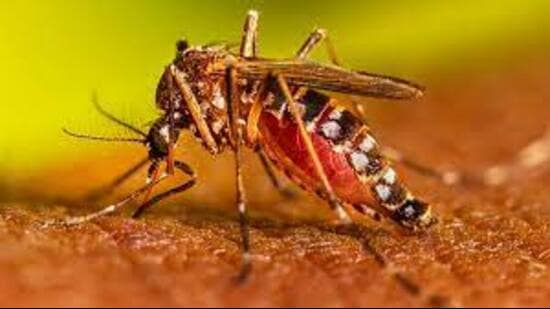
“The recent floods and rains that were received by the city till late September and October along with the comparative high temperature during day time and cooler nights played a decisive role in worsening the dengue situation. Dengue mosquito, Aedes aegypti, is comparatively large, having dark yellow and black stripes on the body and hence also known as tiger mosquito,” explained prof Krishna Kumar, ex head of Allahabad University’s zoology department.
“The mosquitoes tend to decline in winters. They remain dormant during the season (usually in pupal stage) and then emerge from pupal stage in March/April. Thus, as winters set in, the dengue scourge should be over,” said prof Kumar.
Another zoologist, professor KP Singh said: “Dengue is a self-limiting acute mosquito transmitted disease and the first evidence of occurrence of dengue fever in the country was reported during 1956 from Vellore district in Tamil Nadu. At present DEN1 and DEN2 serotypes are widespread in India. Female Aedes mosquito deposits eggs singly on damp surfaces just above the water line and under optimal conditions the life cycle of the aquatic stage of it can be as short as seven days”.
“However, the eggs can survive one year without water. It is a day time feeder and to get one full blood meal the mosquito has to feed on several persons, infecting all of them. However, at low temperatures it may take several weeks to emerge which means as soon as the temperature comes down in the next fortnight, the eggs would go dormant,” said Singh.


