E-Paper



Gujarat forest department proposes leopard sterilisation
An official familiar with the matter said the idea was proposed earlier as well but the Union government did not approve it then

 Prefer HTon Google


Gujarat’s forest department has proposed sterilisation of leopards, especially in and around Gir National Park, to check their growing population and to address the human-wildlife conflict that has left at least five people dead over the last few months.
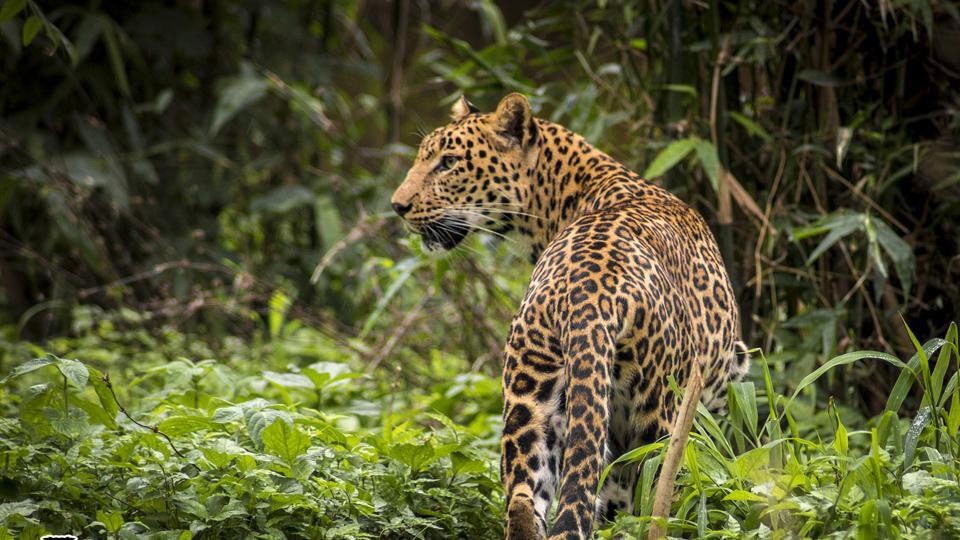
An official familiar with the matter said the idea was proposed earlier as well but the Union government did not approve it then. “...the department aims to sterilise male leopards that have come in conflict with humans,” said the official, requesting anonymity.
Leopards captured for attacking humans are usually sent to a zoo in Junagadh, where they spent the rest of their lives.
National Board for Wildlife member H S Singh welcomed the sterilisation idea. “The leopard population has reached about 22,000 across the country. There are proposals from states about reducing the leopard-human conflict. About 125-130 people die every year due to leopard attacks.”
He said Gujarat’s leopard population has reached around 2,000. “In certain sites, where the population of leopards is 25 to 30 per 100 square km, their population should be contained. So, instead of killing them, they should be sterilised. It is a good move,” said Singh. He said that the board is yet to receive Gujarat’s proposal.
Retired forester A K Sharma said the attacks and killings of farm labourers and villagers have become frequent. “The [forest] department cannot keep capturing these animals. The leopard is a very stealthy animal. The management has to change its approach. I think sterilisation is the right move,” he added.
International Union for Conservation of Nature member Nishith Dharaiya said that instead of sterilisation, awareness should be raised to avoid conflict with wild cats. “Most of these attacks take place when people are sleeping in the open or children and old people are left unattended in the fields.”
Dharaiya said they carried out an awareness programme in Gujarat about sloth bears in conflict zones. “As a result, we believe the attacks have gone down in these areas,” said Dharaiya, who has researched lions and leopards in Gir.
He said sterilisation is the last option and nowhere in the country has such a step been taken for big cats. “...leopards from conflict areas should be translocated to other parts of Gujarat.”
Half of close to 2,000 leopards in Gujarat are in Gir. The state government has also started an awareness drive in the region warning people against straying into forests or leaving children alone in the open.
Jalpan Rupapara, a wildlife researcher at Gir, said over 95% of leopards do not threaten humans and or see them as their prey. “They are helpful in controlling boars, stray dogs, blue bull and feral cattle. A very small percentage are problematic and their prompt identification and earliest elimination from the wild is key to reducing human-leopard conflicts.”
Chaitanya Joshi, a wildlife expert, called for a census of leopards in a scientific way before taking measures to control their population. He said leopards are often randomly caught based on complaints about the killing of livestock.
Abhisst Thaker, a lawyer, said the sterilisation will violate wildlife protection laws and suggested prioritising awareness and discouraging practices that attract leopards. “...injuries caused by elephants outnumber those caused by leopards. Yet such demands [sterilisation] are seldom raised. Leopards, lions, elephants, and tigers all enjoy statutory protection under the Wildlife Protection Act.”