
 E-Paper



Horse, camel ban: Restriction on animals during Moharram hits owners
Police officials had made it clear that there should be no use of horses and camels in Moharram processions this year too.


The ban on horses and camels during Moharram processions which has been in force in Prayagraj in the last two years will be in place this year too, hitting the livelihood of their owners.
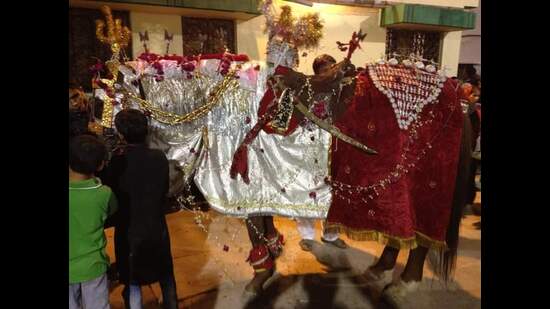
Besides using the animals for other purposes, their owners used to arrive in the city from nearby areas for seasonal earning during Moharram. They used to earn good money by ferrying people, especially children, in Moharram processions.
“Restrictions on horses and camels were imposed two years back as they used to cause disturbance during the procession and could cause injury to a person if they panicked due to poor handling in a crowded place. The ban has simply been retained this year too,” informed a senior district administration official.
In recent meetings with Taziadars and members of Moharram committees, police officials had made it clear that there should be no use of horses and camels in Moharram processions this year too.
Police officials have also prohibited the display of swords, sticks and other weapons in these processions.
Many farmers living in villages in the wetlands of Ganga and Yamuna own camels which they use for carrying crops etc over the vast sands. Besides, there are a large number of horse owners in the city. Many of them use their horses for commercial purposes and in marriages etc.
Mohd Sarwar, a resident of a village in the Puramufti area, said he used to earn up to ₹10,000 during the 10 days of Moharram by ferrying people on his camel. Camels are a rare sight in cities and children are especially passionate for a camel ride, Sarwar claimed.
Another camel owner, Ramsumer, who lives in the trans-Ganga area, said that ferrying people during Moharram processions used to fetch good cash. The extra income was used for feeding the large animal as it consumes much fodder.
Camels and horses also have religious significance and were part of the battle at Karbala. Special ‘duldul’ (horse) processions are also taken out at many places by the Shia community in which horse is decorated and is fed special dishes.
Feroz, a horse owner, said that bookings for horses used to start many days before Moharram in earlier years when horses and camels were allowed in processions. Youths were passionate about riding horses in Moharram processions and used to spend good money. When horses were allowed, a horse owner used to earn ₹5,000 to ₹15,000 each during Moharram, Feroz added.


