
 E-Paper



Living Legacy: At Lohia Park’s Ram Leela, Awadhi flair meets Parsi drama
What truly sets this Ram Leela apart is that all roles, including Sita, Mandodari, Shoorpanakha, Taadka, and other female characters from the Ramayan, are portrayed by males.


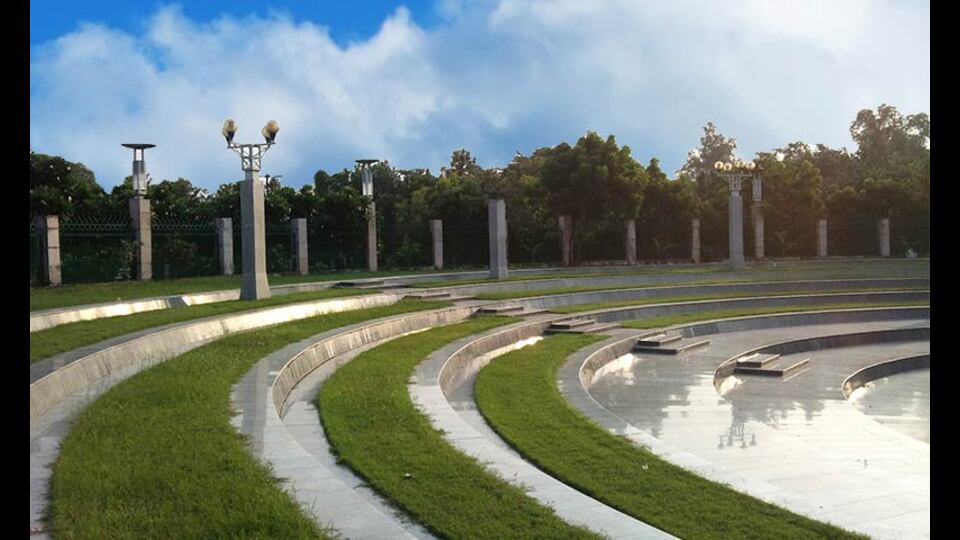
LUCKNOW: While Dussehra witnesses the ritualistic burning of Ravan effigies across the city, a distinctive Ram Leela tradition unfolds at Lohia Park in Chowk. Originating in Thakurdwara, Chowk, in 1937, this unique Parsi-style Ram Leela now takes centre stage at Lohia Park. It has been captivating audiences for 86 years now.
Vinod Maheshwari, a Chowk resident, hailed the unique Parsi essence of this Ram Leela saying, “This Ram Leela commences after other city performances have concluded. Established in 1937 by renowned jeweller Kishandas Khunkhunji, it remains one of India’s most celebrated and culturally significant Ram Leela displays.”
In a similar vein, Shatrughan Sharma, a distinguished city theatre artist, praised the Parsi style for its instant connection with the audience, marked by intense lighting, swift scene changes, fireworks, live music, artist singing, dramatic character entrances and exits, and vibrant fireworks during victory.
Meanwhile, Raj Kumar Varma, secretary of Chowk Ram Leela Samiti, lauded this Ram Leela’s 86-year adherence to a traditional style of storytelling, underscored by classical music, dance, and elaborate costumes, along with real costumes, jewellery, and even swords. “Khunkhunji’s profound admiration for Parsi theatre influenced the unique approach, and even the Bombay film industry was once inspired by Parsi theatre,” he added.
What truly sets this Ram Leela apart is that all roles, including Sita, Mandodari, Shoorpanakha, Taadka, and other female characters from the Ramayan, are portrayed by males. One distinctive feature is the use of regional Awadhi language in dialogues and narration, reflecting the cultural blend of a region where Hindi and Urdu are widely spoken, as noted by historian Shobha Mishra.
The Chowk Ram Leela offers not just a cultural experience but also a glimpse into the historical tradition of Parsi Theatre that has been preserved and celebrated, combining elements of Awadhi and Indian theatre traditions. The sets at Lohia Park are renowned for their grandeur and attention to detail, enhancing the storytelling spectacle. It’s a collaborative effort, primarily by the jewellers’ community, with local organisations and volunteers contributing to its success, she added.
Organisers stress that, over time, the expenses of organising Ram Leelas have increased, making it challenging to maintain grand-scale performances. The artists rehearse for two months, and although they don’t demand payment, providing food and lodging is essential. Approximately, 150 to 200 highly educated individuals participate in the Ram Leela, often supported by local jewellers to ensure its grandeur.


