
 E-Paper



Lone tusker may join herd after over 500km trek through 6 Jharkhand districts
Forest officials said they have been tracking the animal ever since it allegedly killed its first victim in Tundi area in Dhanbad district on April 8


A lone tusker that has killed at least 16 persons since April 1 in its journey across six districts in the state may be able to join its herd in Tundi area in Dhanbad district of Jharkhand after meandering for over 500 kilometres, said forest officials.
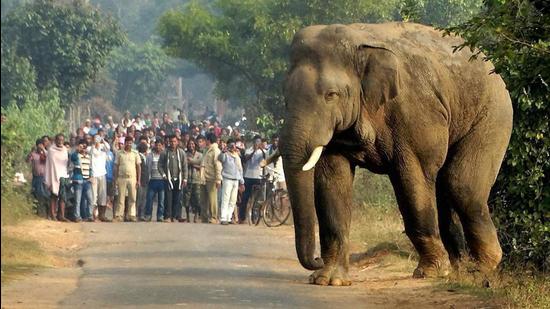
They said they have been tracking the animal ever since it allegedly killed its first victim in Tundi area in Dhanbad district on April 8. “We think that is the period when the tusker either strayed from the herd or was pushed out by the members. We have managed to keep the herd in the Tundi forest area by training the villagers who have been armed with equipment such as search lights. We have also been tracking the movement of the lone tusker all along, alerting villagers on the route,” said Jharkhand chief wildlife warden Rajiv Ranjan.
Also Read | Chhattisgarh: 3 forest officials removed, 2 suspended over elephant’s death
The elephant reached Sahebganj district from where it almost retraced its steps to return to Tundi forest area. On the way to Sahebganj from Tundi in Dhanbad, it crossed four other districts of Jamtara, Deoghar, Dumka and Pakur.
The distance by road from Tundi to Sahebganj is over 250 kilometres, making the total distance covered by the stray tusker at least 500 kilometres as animals tend to drift.
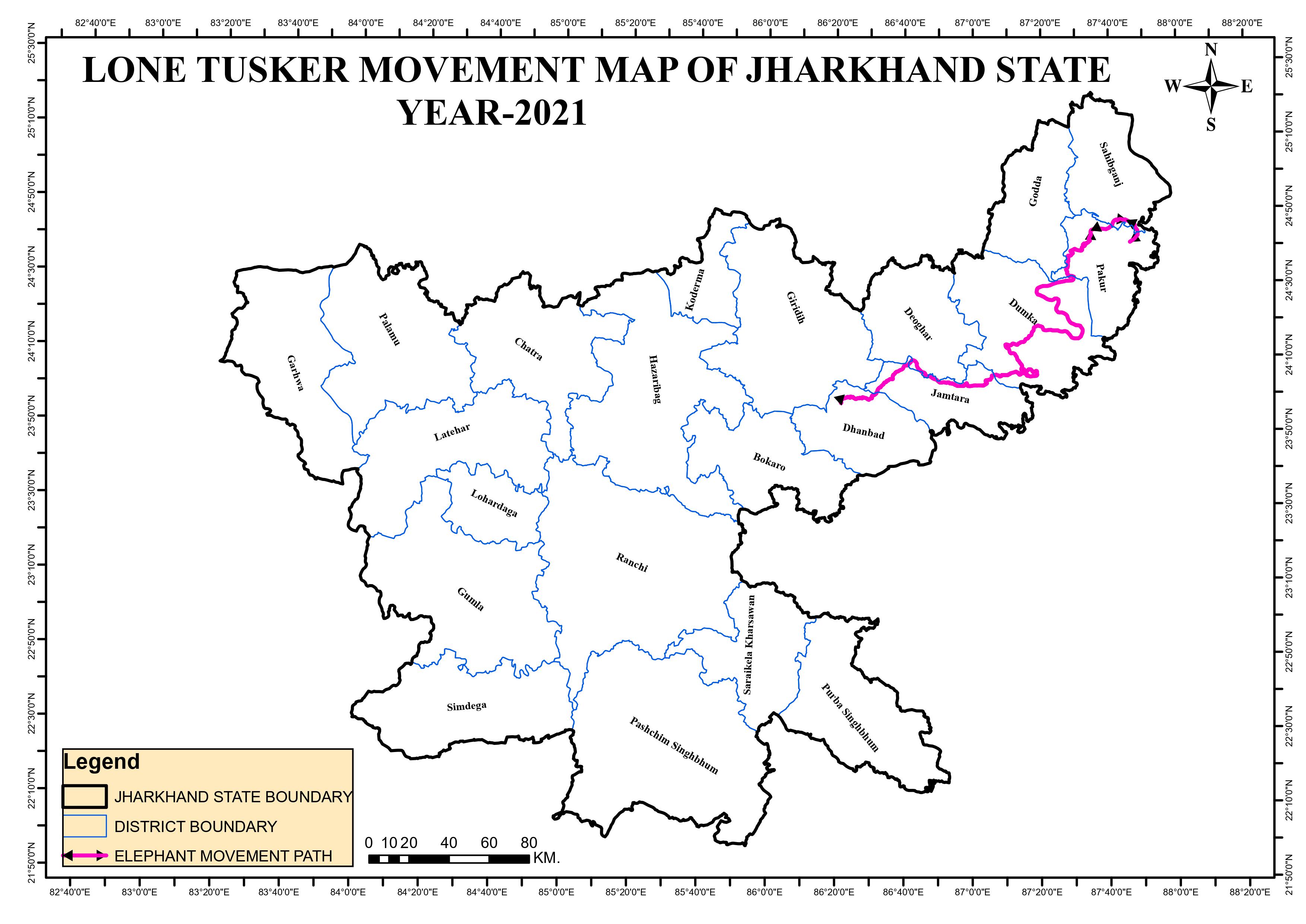
Now that the tusker has reached closer to its herd, the officials are trying to lead it to its family. “As of now, it is in the Tundi mountainous pocket. We are trying to make it join the herd which is stationed in the Tundi forest area. However, that is tricky as it would depend on the herd to accept the tusker back,” said Rajiv Ranjan.
Finding a way out for the elephant in case it is rejected by its herd would depend on its behaviour, said Ranjan. “It is not easy to tranquilise and move such a big animal from dense forest areas. If it goes wild, the other possibility would be to shoot it down. But that is the last option for us as we have been trying to lead it back to its herd,” said Ranjan.
The last time the forest department was forced to kill an elephant was in 2017 in Sahebganj. Another tusker was killed in 2008 in Bokaro, officials said.


