
 E-Paper



MCG identifies over 3,000 commercial bulk waste generators in city
MCG commissioner Narhari Singh Bangar said that they had formed teams to carry out random inspections and fines were being imposed on those not adhering to the rules, with plans to intensify the enforcement actions being taken by the civic agency


Gurugram: The Municipal Corporation of Gurugram (MCG) has identified more than 3,000 Bulk Waste Generators (BWGs) in commercial and institutional categories across the city, civic officials said adding that these BWGs will work in compliance with the Solid Waste Management Rules, 2016.
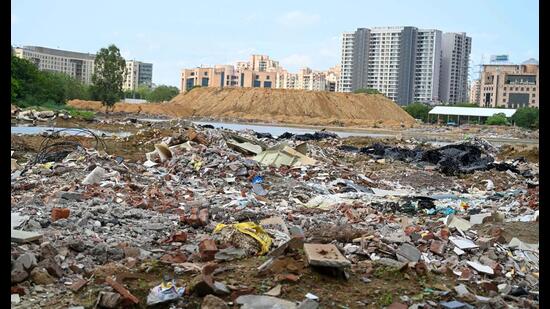
MCG officials said these entities are required to manage the waste generated within their premises.
MCG commissioner Narhari Singh Bangar said that they had formed teams to carry out random inspections and fines were being imposed on those not adhering to the rules, with plans to intensify the enforcement actions being taken by the civic agency.
A meeting was held on Wednesday in which the issue of BWGs was discussed during a Citizen Supervisory Committee (CSC) gathering held at the corporation office.
The MCG chief said that the meeting highlighted that the initial phase involves identifying and inspecting BWGs in the commercial and institutional categories. “Those not complying with Solid Waste Management Rules or not yet registered on the BWG portal are being penalised. It was also decided that BWGs in the residential category would be given a final opportunity to register by August 15. Failure to do so will result in fines,” he said.
According to MCG officials, since January 1, over 200 BWGs have registered on the online portal and an additional 30 have declared that they do not fall under the BWG category as per the rules.
The MCG commissioner said that hotels, restaurants, corporate offices, hospitals, schools, colleges, and residential colonies’ RWAs or managers within the municipal limits are classified as BWGs.
According to the rules, BWGs must dispose of the waste generated daily within their premises. The Municipal Corporation of Gurugram has created an online portal for BWG registration, and all BWGs must register on it. Bangar urged all BWGs to adopt the “My Waste, My Responsibility” ethos to contribute to making Gurugram a cleaner, more beautiful, and better city.
According to the norms, BWGs should first segregate their waste into three categories — dry, wet and domestic hazardous. The dry recyclable material should be given to the authorized waste pickers or recyclers, while the wet waste needed to be processed, treated and disposed of through composting within the premises.
MCG officials said despite repeated awareness campaigns and regular meetings with BWGs, many were still flouting the Solid Waste Management Rules, 2016, and said that those who had not paid the penalty amount of ₹25,000 would be billed the amount along with their water bills from the next cycle.


