E-Paper



Row over GI tag for Kala Jeera rice in Odisha’s Koraput district
The Jeypore-based MSSRF has opposed the GI tag alleging that once the applicant company gains exclusive rights to cultivate and market Kala Jeera rice, poor tribal farmers in the district would find it very difficult to grow the same

 Prefer HTon Google


The M S Swaminathan Research Foundation (MSSRF), a not-for-profit NGO founded by noted agricultural scientist MS Swaminathan, has objected to the proposal of granting a Geographical Indicator (GI) tag to Koraput’s renowned ‘Kala Jeera Rice’, contending that it could exclude local farmers from benefits.
Last week, the Geographical Indications Registry in Chennai advertised the application for GI tag to Odisha’s Koraput Kala Jeera rice in its journal following the application for the same by Koraput-based Jaivik Shree Farmers Producers Company (JSFPC), a year ago.
Within three months of advertisement of the GI application, a petition can be made opposing the award of the GI tag. However, once the application for a GI is accepted, the geographical indication is awarded.
The Jeypore-based MSSRF has opposed the GI tag alleging that once the applicant company gains exclusive rights to cultivate and market Kala Jeera rice, poor tribal farmers in the district would find it very difficult to grow the same.
“Kala Jeera rice is an exclusive product of Koraput district and the application for the GI tag has to be done by a government agency and not by any private organisation. Once a private organisation gets the GI tag then the applicant company will be the sole beneficiary,” said Prasant Parida, MSSRF director.
Parida said MSSRF over the last decade, has worked extensively for the preservation and promotion of Kala Jeera rice in the district helping poor tribals benefit from it.
“The Kala Jeera rice was on the verge of extinction. We, along with the Odisha Rural Development and Marketing Society (ORMAS), helped tribals cultivate and market the same. Now ORMAS is making the Kala Jeera rice available on the e-commerce platform Amazon,” said Parida, adding that his organisation would soon file an objection with the GI authorities, which functions under the jurisdiction of the Union government.
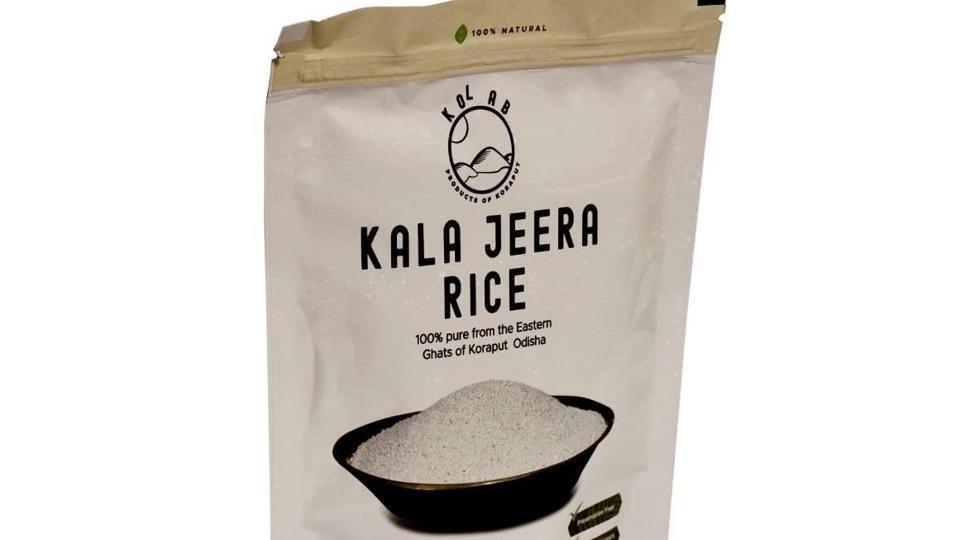
Koraput Kala Jeera rice is known as the ‘Prince of Rice’. It is an aromatic variety originating from the Koraput district, this lowland-scented rice variety looks like cumin seeds. Unique and typical and specific in its colour, taste texture and aroma, the paddy of Kala Jeera is black, but obtained rice from it is white. It is known to have antispasmodic, carminative, antibacterial, astringent and sedative properties. The ancient text explains that Kalajeera improves memory and controls diabetes.
Muralidhar Adhikari, chief executive officer of the JSFPC said his organisation represents farmers of 14 blocks of the district and its farmers themselves have applied for the GI tag.
He said that if gets the GI tag, the entire farmers’ community will benefit and not any single organisation.
“The Jaivik Sri Farmers Producer Company Limited undertakes the business, production, harvesting procurement grading, processing, pooling, handling, marketing and selling of the Koraput Kala Jeera rice for the benefit of producers, traders, farmers and others associated with the production and marketing line of the Koraput Kala Jeera rice,” Adhikari added.