E-Paper



Not first Kumbh to be marred by tragedy
The Mahakumbh-2025 saw a deadly stampede on Mauni Amavasya, echoing past tragedies at Kumbh Melas, including 42 deaths in 2013 and 800 in 1954.

 Prefer HTon Google


The never-before rush of pilgrims on Mauni Amavasya may have resulted in the loss of many lives and injuries to many more during Mahakumbh-2025 on Wednesday but past editions of the mega religious fair in Sangam city too have witnessed their share of such tragedies in the past.
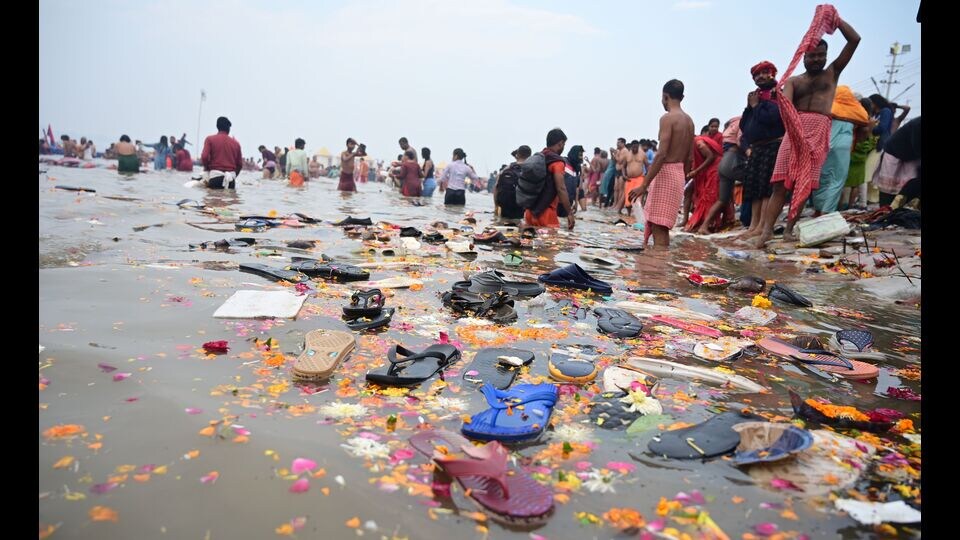
Haridwar and Nashik that also host the Kumbh and Mahakumbh fairs have also seen such incidents in the past.
42 deaths occurred at the then Allahabad Jn in 2013
On Mauni Amavasya falling on a Sunday, on February 10, 2013, during the Mahakumbh, the pressure of the crowd on the Smith Road foot overbridge on platform number 6 of Allahabad Junction (now Prayagraj Junction) increased to uncontrollable levels and 42 people died in the resulting stampede that took place at around 8pm.
During this time, there was so much crowd at Prayagraj Junction that it took one-and-a-half hours to even bring stretchers to the incident site. Another 46 pilgrims were also injured in the stampede.
800 people also died in 1954 in Allahabad
On Mauni Amavasya during the Kumbh Mela on February 3, 1954 also Prayagraj (then Allahabad) witnessed a tragedy during the Kumbh Mela that saw the biggest loss of life in the fair till date.
Being a post-independence Kumbh, the enthusiasm of the people was very high. Good arrangements were made and people reached near the Allahabad fort directly from the parade ground. During this time, people came in front of the processions of Naga ascetics and a stampede occurred. This is considered to be the most painful incident of any Kumbh so far, resulting in over 800 deaths and injuries to around 2,000.
Other Kumbh Melas that saw loss of lives
1986: The Kumbh Mela of 2016 in Haridwar saw a tragic stampede that claimed around 200 lives. The incident happened when the then Uttar Pradesh chief minister, Veer Bahadur Singh, arrived in Haridwar along with several chief ministers and Members of Parliament from various states. As security personnel restricted the common people from accessing the riverbanks, the crowd grew restless and turned uncontrollable, leading to the deadly stampede.
2003: A stampede in Maharashtra’s Nashik killed dozens when thousands of pilgrims gathered at the Godavari River for a holy dip during the Kumbh Mela in 2003. Around 39 people, including women, were killed, and more than 100 sustained injuries in the stampede.