E-Paper



Odisha man, missing for 40 years, returns home with help from Good Samaritans
In the 1970s, Simanchal Mohapatra boarded a train in Mumbai thinking that it was headed for Berhampur, the railhead near his village. Instead, he reached Burhanpur in Madhya Pradesh


Two years after his wedding in the 1970s, Simanchal Mohapatra, a strapping man in his late twenties, left his village in Ganjam district for Mumbai in search of work. Like many people in Ganjam venturing out to other states in search of work, Mohapatra thought he would earn a livelihood and return home a couple of months later.
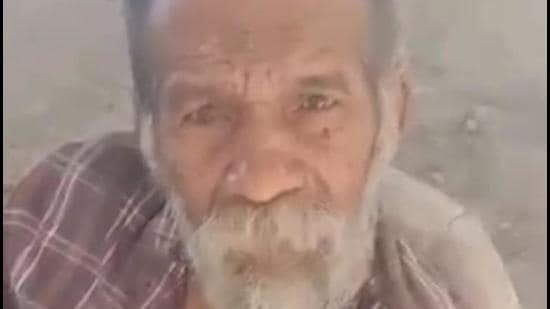
On Thursday afternoon, Mohapatra, now a frail man in his seventies, returned home after four decades. He cannot walk without a walking stick; his wife and daughter are no more.
“Though everyone in the family and his childhood friends are jubilant, there is a sense of loss. My uncle looks very frail. We had to get a car to take him home from the railway station,” said Mohapatra’s nephew Dhruba Charan Rana.
Rana said when Mohapatra did not return a few months after he left his village, the family began searching for him starting from Assam to Mumbai. “Some said he might have gone to Bhubaneswar or Cuttack. We searched everywhere, but stopped looking out for him a few years later,” said Rana.
Also Read | Odisha chit fund scam: CBI arrests brothers of firm’s managing director
Mohapatra would perhaps have never been able to come home, had it not been for Sanjay Shinde, who runs an NGO called Roti Bank in Burhanpur town of Madhya Pradesh, and Kamal Rathi, a Cuttack-based businessman.
When Mohapatra initially reached Mumbai, he started working for a civil contractor. The contractor reportedly asked him to leave after his work came to an end, but did not pay him. From Mumbai, Mohapatra boarded a train thinking that it was headed for Berhampur, the railhead near his village. Instead, he reached Burhanpur in Madhya Pradesh, thanks to his issue with pronunciation.
“Once he got down at Burhanpur station, the railway police arrested him as he did not have a ticket. He was put in a lock-up, but later released after the police realised that he was innocent. But his lack of fluency in Hindi ensured that he could not go back home,” said Shinde.
Mohapatra did odd jobs, such as washing dishes at a hotel, working as a security guard or on construction sites. As age caught up, he could not work. He did not have a place to stay and started living in under-construction buildings while trying to do menial jobs. However, a family in Burhanpur would provide him food every now and then.
Shinde, who runs Roti Bank, that feeds the homeless and hungry in Burhanpur, got to know about the “old man from Odisha” from his WhatsApp group in January last year.
When Shinde met Mohapatra, he couldn’t make out anything that the latter said, but could decipher that he hailed from a place called Tikarpada in Odisha and wanted to go back there before he died. “I tried to make him talk to some Odia people who stayed in Burhanpur, but nothing much came out of it,” said Shinde.
Eager to help Mohapatra reach home, Shinde asked an acquaintance, if he knew anyone in Odisha. It was then that his acquaintance’s nephew Kamal Rathi got in touch with Shinde and started searching for Tikarpada after watching some video clips of Mohapatra talking about his village.
Rathi works with Indiacares, a group of volunteers comprising Odisha-based IPS officer Arun Bothra as well as students and other professionals that helped Covid-19 patients during the first wave of pandemic last year.
Rathi watched the video clips of Mohapatra many times, but could not decipher what Mohapatra wanted to say. “He spoke the names of many villages and some of his family members. But he was away from Odisha for more than 40 years, without contact with other Odia people and his language did not seem to have the accent of Berhampur town, but was a mix of Odia and Marathi with a Malva accent. His diction was difficult to decipher. The only name that registered with me was Tikarpada,” said Rathi.
Rathi then started looking for places near Berhampur town with names that sounded similar to Tikarpada on Google Maps. After searching for some days, he chanced upon a village called Sahadeb Tikarpara in Digapahandi block. It was 50km away from Berhampur railway station. “I thought this could be Mohapatra’s village,” he said.
The next job was to find out if his family was still there in the village. “I asked for help from IPS officer Arun Bothra, now transport commissioner. He then spoke to superintendent of police of Ganjam, Brijesh Rai who sent a police team to the village. The police team contacted the sarpanch of the village who led them to the family,” said Rathi.
Soon a video call was arranged and Mohapatra’s family recognised him. On Wednesday, Mohapatra’s nephew Dhruba Charan Rana reached Burhanpur after Rathi booked their train tickets.
“I thought I would never see my uncle and almost given up on him. My grandparents had died longing for my uncle’s return. I was too overwhelmed with emotion when I saw him,” said Rana.
At Burhanpur, the sub divisional magistrate and the local Maheswari Samaj organised a farewell ceremony for Mohapatra. He was shaved and given new outfits and shoes before boarding the Udhna -Khurda Road special train back to Berhampur station.
On Thursday afternoon, soon after he reached his home, there was a flurry of visitors. “My uncle was tired, but happy,” said Rana. “When he left, he was around 27 years old and their daughter barely one. It would have been a happier reunion had his wife and daughter been there.”