
 E-Paper



Odisha Speaker rejects BJD plea to disqualify 8 MLAs over Rajya Sabha vote
The Speaker dismissed the petitions on procedural grounds, holding that they did not comply with mandatory requirements under the Members of Odisha Legislative Assembly (Disqualification on Ground of Defection) Rules, 1987.

 Prefer HTon Google


Odisha assembly speaker Surama Padhy has rejected the Biju Janata Dal’s (BJD) petition seeking the disqualification of eight MLAs who allegedly cross-voted in favour of Bharatiya Janata Party (BJP)-backed Independent candidate Dilip Ray in the Rajya Sabha election held in March, dealing a setback to the opposition party.
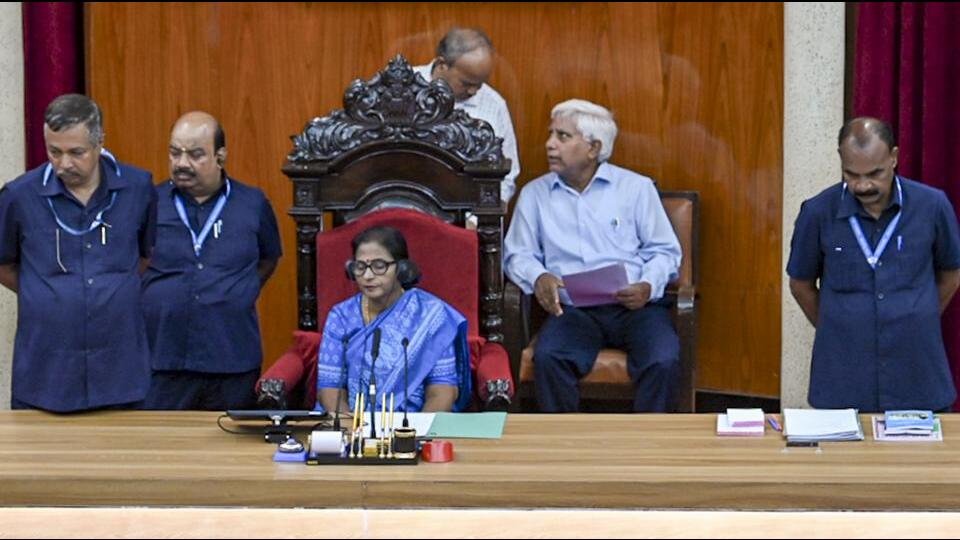
In an order issued on June 19, the Speaker dismissed the petitions on procedural grounds, holding that they did not comply with mandatory requirements under the Members of Odisha Legislative Assembly (Disqualification on Ground of Defection) Rules, 1987.
The petitions were filed on April 25 by BJD legislature party chief whip Pramila Mallik under Paragraph 2(1)(a) of the Tenth Schedule to the Constitution, which deals with disqualification on grounds of defection. The party sought action against Chakramani Kanhar (Baliguda), Naba Kishore Mallick (Jayadev), Souvic Biswal (Choudwar-Cuttack), Subasini Jena (Basta), Ramakanta Bhoi (Tirtol), Devi Ranjan Tripathy (Banki), Aravind Mohapatra (Patkura) and Sanatan Mahakud (Champua), alleging that they had effectively given up their party membership by voting against the party line.
In her order, Padhy said the petitions contained material facts and supporting documents as required under Rule 6(5) of the Defection Rules, but failed to meet the mandatory conditions laid down under Rules 6(6) and 6(7).
She noted that the petitions had not been verified in the manner prescribed under the Code of Civil Procedure (CPC), 1908.
“As such the petition does not satisfy the mandatory provisions prescribed under Rules 6(6) and 6(7) of the Odisha Legislative Assembly (Disqualification on Ground of Defection) Rules, 1987. Compliance with procedural requirements in defection matters could not be treated as a mere technicality because the proceedings carried serious consequences for an elected representative’s tenure. The procedural requirement prescribed under Rule 6 cannot be construed as mere technicalities or formalities but are mandatory provisions of law,” the Speaker said.
She further observed that proceedings under the Tenth Schedule are quasi-judicial in nature and require strict compliance with statutory safeguards.
Reacting to the order, Mallik said the BJD would challenge the decision in court.
“Instead of acting independently, she followed the party line. When MLAs of other states have been disqualified on similar grounds how can there be different yardsticks for Odisha,” Mallik said. “We would move court against the order.”
The dispute arose from the Rajya Sabha election in March, in which the BJD, backed by the Congress and the Left, supported Independent candidate and noted urologist Datteswar Hota. However, eight BJD MLAs allegedly cross-voted in favour of Dilip Ray, a BJP-backed Independent and former Union minister, helping him win the contest.
Following the election, the BJD issued show-cause notices to the legislators and later suspended six of them for anti-party activities. Mohapatra and Mahakud were already under suspension.
In its petitions, the party argued that the MLAs had attended a legislature party meeting on March 15 and were aware of the decision to support Hota. Despite this, they allegedly voted against the party’s stand under the guise of “conscience voting”, publicly criticised the leadership and questioned the authority of the chief whip.
The BJD maintained that their actions were inconsistent with the party mandate on which they were elected and amounted to voluntarily giving up membership, attracting disqualification under the anti-defection law.



