E-Paper



Odisha’s tribal cannabis growers set conditions for not growing the crop
For over a week, the Malkangiri police have been going after cannabis plantations in the Swabhiman Anchal area of the district

 Prefer HTon Google


Amid massive exercise by the Odisha government to destroy cannabis plantations across the states, around 1000 tribals in 35 villages of the erstwhile Maoist hotbed of Swabhiman Anchal of Malkangiri district have demanded remunerative prices for their harvest such as turmeric, black gram, peanuts, finger millets, black pepper as a condition for putting a stop to growing cannabis in their farms, officials said.
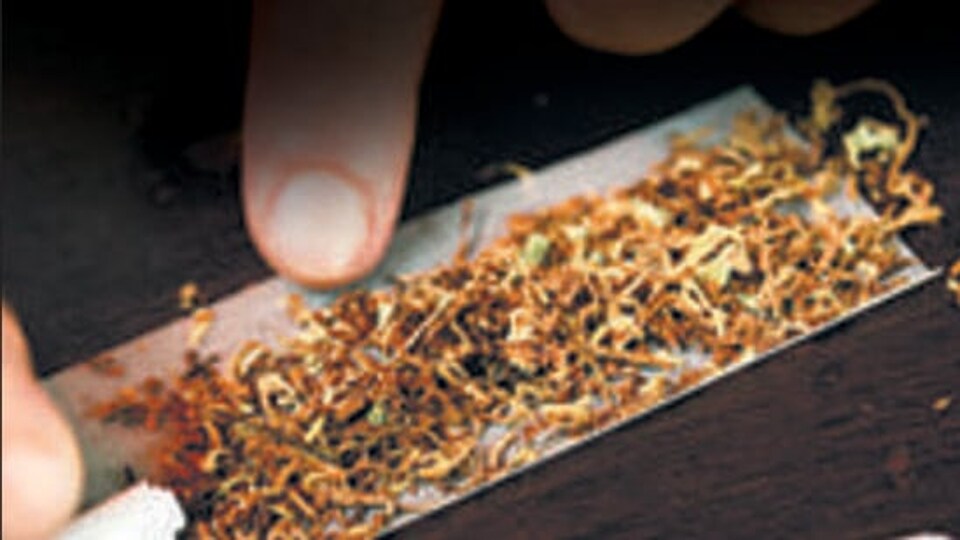
For over a week, the Malkangiri police have been going after cannabis plantations in the Swabhiman Anchal area of the district which used to be a Maoist hotbed till a couple of years ago. In the last week, Malkangiri police and excise officials have destroyed cannabis plantation over 250 acres in Swabhiman Anchal where most of the cannabis is grown but remained out of bounds for police till due to increased Maoist activities there. The Malkangiri police have so far destroyed cannabis plants worth ₹200 crore.
On Monday, the tribals of Dhuliput and Ralegada grampanchayat inside the Swabhiman Anchal area staged a protest at the panchayat headquarters of Dhuliput demanding remunerative prices of various vegetables and spices that they would grow as well as enrol them in several government schemes if they were to stop cultivating the cannabis plants.
“Though we know that cultivating cannabis is illegal, for years we had no other option as cannabis grown on our fields used to have ready buyers outside. Now we have been told that the police are going to destroy all our cannabis plantations. How are we going to survive,” asked Narayan Hantal, a tribal from Ralegada panchayat.
“If we don’t grow vegetables and spices on our farms instead of cannabis, then the government should give us remunerative prices. We also need houses under Pradhan Mantri Awas Yojana and benefits under several government schemes to abandon cannabis farming.”
Another villager, Kamalu Hantal said though farmers grow vegetables, turmeric, finger millets, lentils, they do not get a good price from the local market. “We urge the government to declare MSP for crops like turmeric, ragi, lentils and vegetables and only then people of Swabhiman Anchal will stop growing cannabis plants,” said Hantal.
In areas like Swabhiman Anchal where cannabis is one of the main crops for tribals, the season starts in September, just as the monsoon begins to withdraw. Though cannabis farming is more difficult than farming paddy or millets due to the large amount of water it needs and the care it requires, the earning is more. Cannabis costs anything between ₹500 and ₹1,000 for 10 grams, which works out to ₹50,000 to ₹1,00,000 a kg.
The risks are also too high as anyone farming cannabis can be jailed for up to 10 years and fined up to ₹1 lakh under Section 20 of the Narcotics Drugs and Psychotropic Substances (NDPS) Act that was enacted in 1985 replacing the Dangerous Drugs Act, 1930. But with Maoists calling the shots in the region for more than three decades and allegedly taking a cut from the trade, the area became a safe haven for such plantations.
Last month, The Hindustan Times had reported how farmers in the Maoist belt risked jail to grow cannabis. Even as the law enforcement agencies went after the cannabis plantations seizing cannabis and destroying the plantations, the business continues to flourish. Last year, Odisha seized 1549 quintals of cannabis, the highest in the country while this year, more than 1500 quintals have been confiscated till October.
Reacting to the conditions set by the tribals in the two panchayats, Block Development Officer of Chitrakonda, Rahul Mandol, said the district administration is reaching out to villages with alternative crops such as turmeric, banana and mushroom. “Through several government initiatives, we are trying to promote vegetable farming in Swabhiman Anchal. The government would look into their request for good prices for their farm produce,” he said.