E-Paper



Orissa HC dismisses petition against Union education minister Dharmendra Pradhan
The Orissa High Court dismissed a petition challenging Union Minister Dharmendra Pradhan's election victory, citing procedural defects and lack of specific allegations.


The Orissa high court has dismissed a petition that challenged the victory of Union education minister Dharmendra Pradhan from the Sambalpur Parliamentary constituency in the 2024 general elections, ruling that the plea had “fatal procedural defects” that rendered it legally unsustainable.
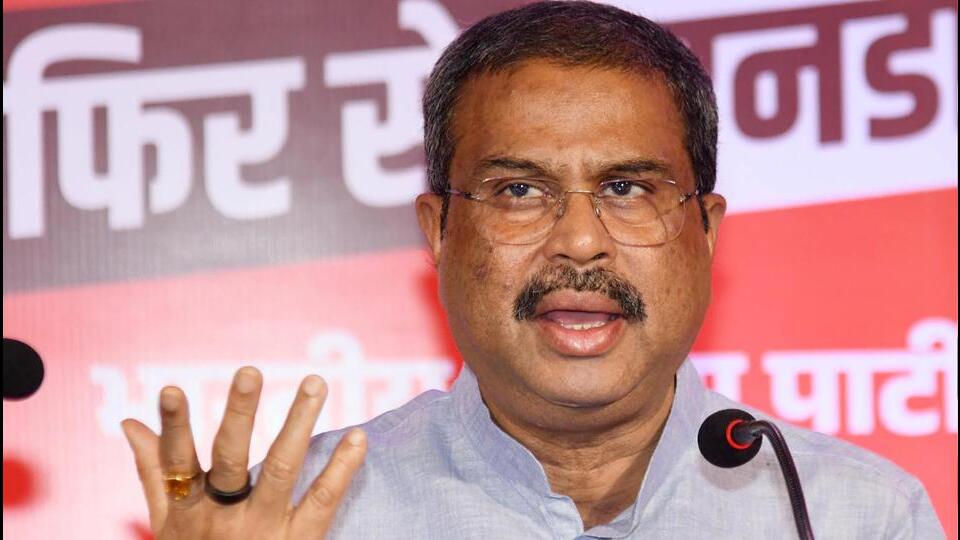
Justice Sanjay Kumar Mishra, in a detailed 36-page order delivered on November 19, held that while the petition suffered from minor curable defects regarding verification and affidavit formalities, it fundamentally failed to specify the precise nature of alleged corrupt practices as mandated under Section 123 of the Representation of the People Act, 1951.
The petition was filed by one Subash Mohapatra, an unsuccessful candidate from the constituency, seeking to declare Pradhan’s election void on grounds of alleged non-disclosure and incorrect information regarding assets, liabilities and criminal antecedents in the nomination affidavit filed in Form 26.
Pradhan had moved an application under Order VII Rule 11 of the Civil Procedure Code, seeking rejection of the petition at the threshold, arguing that it lacked material facts and particulars necessary to constitute a complete cause of action.
The court observed that despite repeated allegations in the petition that the returned candidate committed corrupt practices, it failed to identify the specific category of such practices as contemplated under Section 123 of the RP Act, which defines corrupt practices including bribery, undue influence, and false statements regarding a candidate’s character.
“Mere general assertions of corrupt conduct, without correlating the alleged acts to any of the statutory definitions of corrupt practice, do not amount to substantial compliance with statutory provisions,” justice Mishra held.
The HC emphasised that Section 83(1)(a) of the Representation of the People Act, 1951, mandates that an election petition must contain a concise statement of material facts, including names of persons, dates, places and details of alleged corrupt practices. The court noted that omission of even a single material fact would lead to an incomplete cause of action, making the petition liable for dismissal.
The petitioner also failed to file the mandatory affidavit in Form 25, prescribed under Rule 94A of the Conduct of Election Rules, 1961, which requires specific details of corrupt practices alleged. Though the court acknowledged this could have been a curable defect, the absence of basic material facts in the petition itself proved fatal.
The court further noted that despite opportunities provided during hearings, the election petitioner neither filed written objections to Pradhan’s application nor availed of the statutory provision under Section 86(5) of the Representation of the People Act to seek amendment or amplification of particulars regarding corrupt practices.
The HC distinguished between minor procedural defects and substantive failures, holding that while issues relating to notarisation of copies and verification formalities were curable under the doctrine of substantial compliance, the failure to specify the nature of corrupt practices struck at the root of the petition.
The court also observed that the petitioner failed to file supporting documents along with the petition to substantiate allegations of corrupt practices, thereby depriving the returned candidate of a fair opportunity to respond effectively and preventing the court from forming even a prima facie view on the allegations.