
 E-Paper



Sutradhara’s Tales: Unlocking history of 18 peths in 18th century Pune - part 1
Peths formed and reformed around mid-18th century are not just separately demarcated areas in medieval town planning, but have contributed to the evolution of a special socio-cultural character for each peth. It grants a unique identity to each peth


PUNE The peth-dwelling Punekars, who have spent their childhoods in peths of Pune pride themselves of being the “quintessential Punekars” as compared to those living in suburban areas of Pune. Often one hears a person being called “pethi” or belonging to Pune 30, which originally encompassed the area of Sadashiv peth. An outsider would wonder what this “true blue” Punekar “swag” is all about!
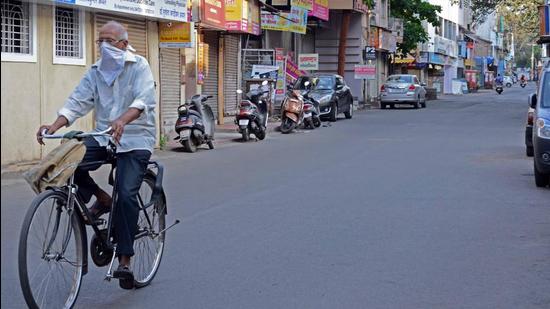
Peths formed and reformed around mid-18th century are not just separately demarcated areas in medieval town planning, but have contributed to the evolution of a special socio-cultural character for each peth. It grants a unique identity to each peth.
When Pune served as a central market for nearby villages pre-17th century, the practice of weekly markets on a particular day was prevalent. As trading became an everyday affair, the trading areas were segregated according to the produce and were assigned a particular day of the week. Thus, the market areas were either bustling with the commercial activity or were closed on a particular day of the week and were named, accordingly.
As Pune was divided into various peths, the peths assumed the name of the markets based on each day of the week and were referred to as Ravivar peth (Sunday), Shaniwar peth (Saturday) and so on.
Kasba peth is the oldest of the lot and most organically developed. Initially, it was inhabited by minor revenue officials, merchants and artisans and existed outside the fortification of Killa-e-Hissar. Due to the residences of Shivaji Maharaj and Rajmata Jijabai, and later those of prominent nobles such as the Purandares, Mujumdars, Pethes and Shitoles, Kasba peth remained important. A number of Brahmin families engaged in Vedic learning also resided in the peth.
Shaniwar peth lay along the river Mutha and began as Murtazabad established by Murtaza Nizamshah in the early 17th century. Peshwa Bajirao I built Shaniwar wada in 1730 at one corner of Shaniwar wada and the peth extended to the other corner, till the Omkareshwar temple by the river side. The fortifications of the fort were levelled to make way for the construction of mansions for various dignitaries serving Peshwas. In the census conducted to assess the damage after the Nizam’s raid in 1763, the houses of Brahmins were originally large in numbers.
The peth was inhabited by good number of sonar (goldsmiths), tapkirwale (snuff makers), saraf (money changers) and other merchants, too.
Ravivar peth was originally known as Malkapur and was settled by famous chief minister of Nizam Sultanate of Ahmendnagar, Malik Ambar sometime before 1626. It was redeveloped during Nanasaheb Peshwa’s period by Mahajan Vyavahare Joshi n 1740-41. It had homes of notable sardars such as Haripant Phadke and Ghorpade. In 1789, Durlabhsheth Govindji, a banker, built the Krishna Thakurdwar temple in the peth and appealed to shift the chambar (cobblers) elsewhere to avoid a “ritualistically undesirable” presence around the temple. The large presence of the Bohra community can be realised through records of the Jamatkhana (community hall) built in 1789.
The census from the British period offers an eclectic mix of Bohras, Brahmins, Marwadi traders, bankers, merchants, artisans, workers, bahujans, “untouchables”, kalavantin (prostitutes) and hijras (eunuchs) belonging to different statuses, castes and religions.
Ravivar peth, more than any other, offered an entire social spectrum through occupancy by a total of 63 castes.
Somwar peth is almost as old as Kasba and initially functioned as a religious precinct along the sacred Nagzari stream. It was settled as Shahapura after Shahaji Raje in 1610. The peth was renovated when Aba Shalukar offered a generous donation to Nageshwar temple in late 18th century. The peth was occupied by professionals engaged in cloth, dressmaking and weaving occupations such as Koshti and Shimpi. The peth was home to many notable bankers and aristocrats and housed two main temple complexes and four chowkis (police stations). Brahmin, Kunbi-Maratha, Wani and Dalkari were the major castes and no dalit families were noted. The peth notes residence of Siddi (Abyssinians), which are not found elsewhere.
Most populous of all, Budhwar peth was originally settled by Emperor Aurangzeb as Muhiyabad in 1703. This centrally located peth was rebuilt by Madhavrao Peshwa after the Nizam’s attack destroyed 60 per cent of the housing and Govind Sadashiv Khajagiwale was appointed as officer in-charge of renovation.
It had residences of many eminent personalities such as Nana Phadnis and Morobadada Phadnis, including the three-storyed “Budhwar wada” of Bajirao II, built in 1803. It housed temples of Jogeshwari, Belbaug Vishnu, Tulshibaug Ram and was home to the Peshwa cavalry at “Huzurpaga”.
Shukrawar peth, also known as Peth Visapur, was a settlement by Jivajipant Khajagiwale in 1748-50. He broadened the lanes, acquired the land and built many military, government establishments and mansions. Peshwa’s foundry, infantry lines, elephant stables, talimkhana (gym), gadikhana (stables), headquarters of artillery and Peshwa’s Shukrawar wada were located in this peth.
This was a very mixed peth with houses of the richest citizens such as Pant Sachiv of Bhor. Later labourers, domestic servants, and foundry workers resided here. It is said that Tarabai wife of Shivaji Maharaj’s son, Rajaram , known for her courage and bravery lived here briefly.
Jivajipant Khajagiwale built apartments called “Bawankhani” where prostitutes and courtesans could live in one place and stay under supervision.
Pune settled in these 18 peths was prominently caste based with growing spatial divide in commercial and residential establishments.
Thus, old city of Pune houses peths or wards named after all the days of the week. In addition to these exists various others peths which we shall review in next column.


