
 E-Paper



Taste of life: Chivda, chakali, farsan... Moving snack shelf from kitchen to shop window... and, empowering women
Cooking, and other household jobs that accompanied it, became the main source of income for many women


In June 1889, Gopal Ganesh Agarkar, social reformer and educationist, wrote a letter to his uncle, Sadashivrao Bhagwat. Bhagwat’s daughter Venu was 12 and recently widowed. Agarkar urged his uncle to let Venu come to Pune and start attending a school. “If she does not study, she will have to spend the rest of her life roaming from door to door, with a rolling pin in her hand”, he wrote.
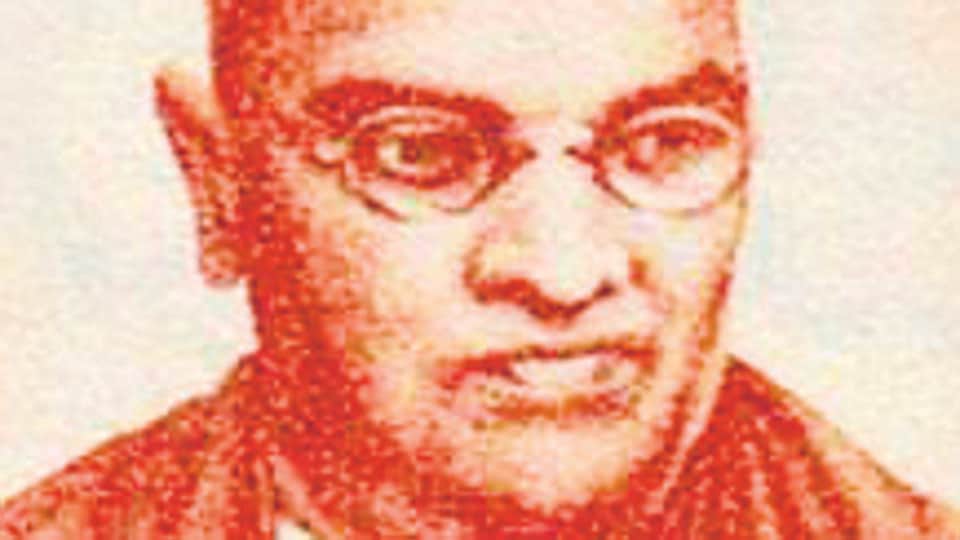
Venu Namjoshi did come to Pune, completed her education and created a name for herself as a brilliant educationist.
Countless other women were not as fortunate. In the late 19th and early 20th centuries, many widows and single mothers had no option, but to cook in other women’s kitchens to survive. They had no education and there were no other jobs. Cooking, and other household jobs that accompanied it, became the main source of income for many women.
After the First World War ended, women started entering professions like nursing and teaching. And the organisation that was instrumental in imparting training for these vocations to needy and willing women in Pune was The Poona Seva Sadan Samiti, started by Ramabai Ranade.
Initially meant only for widows and divorcees, Sevasadan soon opened its doors to all women who were willing to get educated. Even though the focus of the society was to train them to be nurses and teachers, Sevasadan, after 1915, started a small unit to train women to make pickles, papads and other savoury snacks, on a large scale.
The aim was to make them self-sufficient. It was expected that they would earn their livelihood by selling the products. This rarely happened, though.
To be employed as a cook was somewhat acceptable, but, an upper class woman selling pickles and papads in the market was stigmatised. When Sevasadan was established, a few widows were in the business of making and supplying chivada and sev to a couple of restaurants in Pune, known for their spicy misal. These women were almost ostracised for their venture.
Sevasadan played an important role in slaying these orthodox notions of purity and sanctity of food and women. It began by sending gift hampers containing snacks, lamps and fragrant oils during Diwali to the who’s-who of Pune. Ads were placed in prominent newspapers urging people to buy the food products. Slowly and steadily sales picked up.
A small note published in “Kesari” on the occasion of the 20th Foundation Day of the Sevasadan Society mentions one Godavaribai Hinge, who started with selling chivada and shankarpale, and soon graduated to selling sweets. Although the products were stocked only at Sevasadan, she was able to educate her children, - three boys and a girl.
Shantabai Nashikkar and Sundarabai Bhopatkar, in March 1940, started a cooperative of women called the Mahila Udyogmandir. Its aim was to train women to cook food products and sell them in the markets of Pune.
Pickles, spices and spice mixes, and papads, were the products the women manufactured and were available all year round.
Chivada, chakali, karanji and shankarpale were sold during Diwali.
These were available at Dattatray Narayan Hejib’s store, Godbole, Joshi & Co, Nutan Badshahi Boarding House, Jogalekar Brothers and KV Limaye Mandavwale.
In 1941, Mahila Udyogmandir had 80 members and made a profit of Rs620, of which Rs400 was put back to expand the business. A small unit to make jams and jellies was established in Sadashiv peth and donations were sought to start a canning unit.
Mahila Udyogmandir provided bread and butter to at least 300 women within a span of six years.
In March 1948, Shakuntala Bapat from Jalgaon wrote an article in “Aahar”, asking why was it not possible to sell banana flour made in Jalgaon in the markets of Pune. “There are several needy women in the town and they can manufacture banana flour locally, and send it to Pune. They can shoulder the entire responsibility of the business, without any help from the men. I am sure there is some demand for regional specialities like banana and ragi flour, pickles and sandage in big cities like Mumbai and Pune”, she wrote.
A small report in “Sakal” in September 1950 tells us that a small cooperative from Jalgaon was selling banana flour in Pune. Whether Shakuntala Bapat had any role to play in this, I don’t know.
It is heartening to know that the models established by Sevasadan and the Mahila Udyogmandir were replicated all over Maharashtra.More importantly, they taught people to buy chivada and chakali from shops.


