
 E-Paper



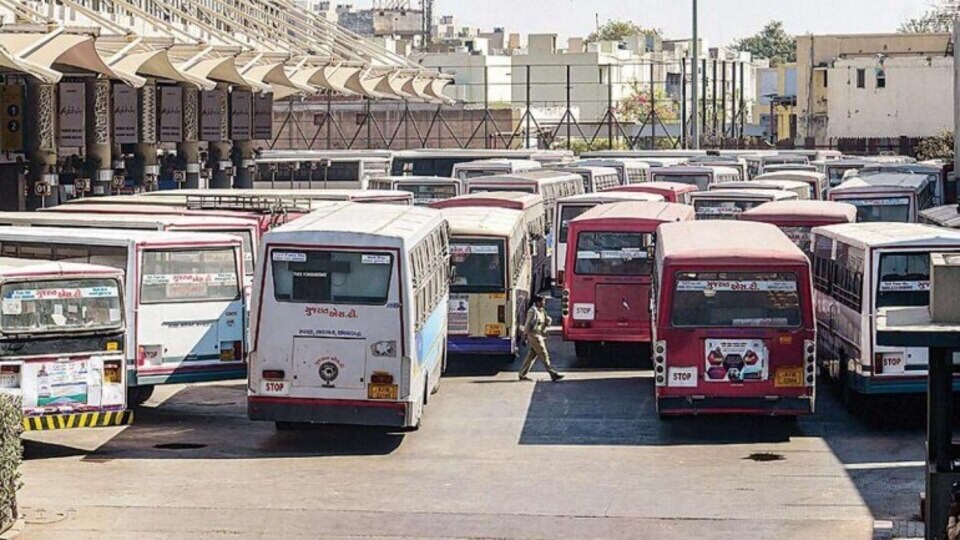
To combat air pollution: UPPCB mandates only BS-VI standard for buses plying to Delhi/NCR
Strict actions and penalties have been imposed on the construction sector for violations of norms, delivering a stern message to the industry.

 Prefer HTon Google


LUCKNOW In response to the Supreme Court’s demand for an affidavit on air pollution control measures, the Uttar Pradesh Pollution Control Board (UPPCB) has proposed that only BS-VI standard buses will be allowed to operate in the National Capital Region (NCR). The Supreme Court has called for affidavits from Delhi, Haryana, Punjab, Rajasthan, and Uttar Pradesh, requesting information on efforts to mitigate air pollution before November 7.
Officials have assured that the UPPCB will submit its affidavit well within the stipulated time frame. “Our efforts to curtail stubble burning have been the most effective among the states required to submit affidavits. The incidence of stubble burning in our state is the lowest, and our approach of incentives and penalties with farmers has yielded the best results,” stated Ajay Sharma, the member secretary of UPPCB.
Sharma added, “We have recommended that starting from November 1, all buses traveling to the NCR region must comply with BS-VI standards or use CNG or electric propulsion to reduce air pollution.”
According to data on stubble burning, until October 30, 2020, there were 1,132 reported incidents in the state. In 2021, this number decreased to 890, and as of October 30, 2023, only 748 cases have been reported, according to the state government.
In Pilibhit, there were 98 cases reported until October 30, 2022, but in 2023, only 84 cases have been reported. Similarly, Shahjahanpur demonstrated remarkable progress in this regard, with 223 reported cases in 2022 reduced to only 48 cases this year.
In the industrial sector, significant efforts have been made to reduce air pollution. Almost all of the 2,100 industrial units that were previously using coal as fuel have transitioned to biofuels or gas, resulting in a substantial reduction in pollution levels, according to Sharma.
Furthermore, strict actions and penalties have been imposed on the construction sector for violations of norms, delivering a stern message to the industry.
In Uttar Pradesh, non-compliance with measures related to stubble burning may result in fines of ₹2,500 for areas under 2 acres, ₹5,000 for areas between two to five acres, and ₹15,000 per acre for areas exceeding five acres. The use of Super SMS has been made mandatory with combine harvesters, and Lekhpals responsible for revenue villages are tasked with ensuring that stubble burning is prevented within their jurisdiction.
All these aspects will be included in Uttar Pradesh’s affidavit, which will be filed before the next Supreme Court hearing.
Stubble Burning Cases in U.P.
Until October 30, 2020: Stubble burning cases reported at 1,132 locations.
In 2021: The number decreased to 890.
October 30, 2023: Only 748 cases have been reported.
Western U.P. Districts:
Pilibhit: 98 cases reported until October 30, 2022, and 84 cases reported in 2023.
Shahjahanpur: 223 cases reported in 2022, reduced to 48 cases in 2023.
Shamli: 6 incidents reported until October 30, 2022, but only 5 incidents reported in 2023.
Meerut: 3 incidents in 2022, and 4 in 2023.
Bulandshahr: 6 incidents reported in 2022, and 7 in 2023.
Baghpat: 2 incidents in 2022, and 1 in 2023.
Hapur: 2 cases in 2022, and none reported in 2023.


