
 E-Paper



Villagers in panic as Dudhwa ramps up effort to catch elusive man-killer tiger
Locals blame officials for lackadaisical attitude in caging the big cat; Foresters seek tranquillizing permission

 Prefer HTon Google


On Thursday, Suraj, 14, a cattle grazer, officially became the fifth victim of a man-animal conflict in Khairatiya village, located along the Dudhwa forest area, which also houses a tiger reserve. But the locals disagree and peg the figure at 20, blaming officials for doing nothing.
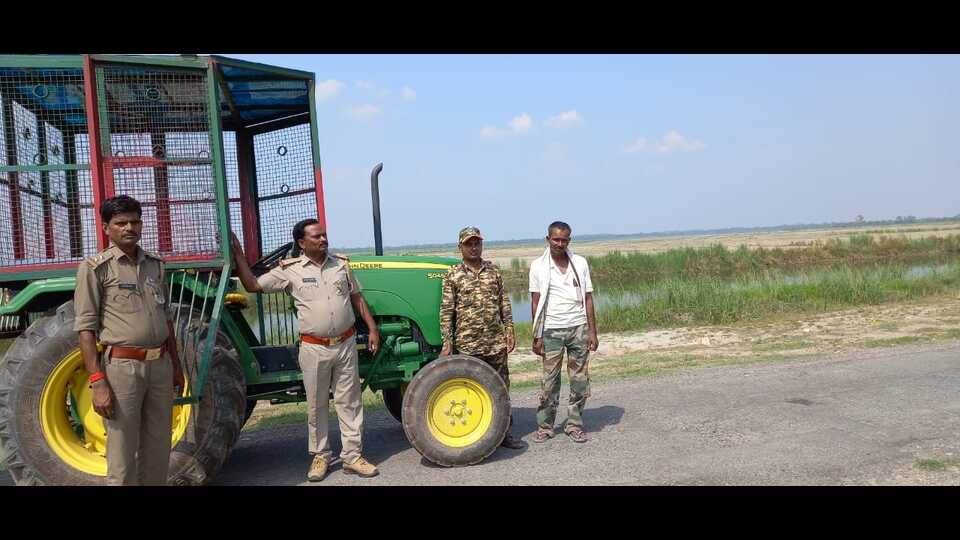
This was the second tiger attack in the last five days in this village. In an earlier attack, a tiger had mauled an elderly to death on June 18. Dudhwa forest area, bordering Nepal, which also houses a tiger reserve, is home to 107 big cats (as per the 2021 census), and the area is known for man-animal conflict.
According to the Sanjay Pathak, field director, Dudhwa Tiger Forest Reserve, “this was the fifth death to be reported due to man-animal conflict,” but the locals disagree. The locals claimed that Thursday’s incident was the 20th death in man-animal conflict in the last seven months. The locals blamed the forest officials for having a lackadaisical attitude toward the problems faced by the villagers and for their inability to capture the man-killer animal.
The 14-year-old was mauled to death by a tigress when he was returning home with his friends from the jungle after taking his animals for grazing.
Locals claimed that similar incidents of tiger attacks have been reported in Khairatiya and other neighbouring villages, including Majhra Purab, Dalrajpur, Murtiya, Naurangabad and Jasnagar, in the past seven months.
Khairatiya village head Pargat Singh blamed the forest department for doing nothing. Recalling the Thursday incident as something that the villagers have been enduring for months, Singh said, “This is not the first time when our villagers have been attacked by the tigress. As per my knowledge, this is 20th such incident in this area and in many cases, the people have gone missing.”
“The tigress pounced on Suraj, and he was killed in a matter of seconds. It all happened too fast. By the time we managed to gather locals and shove the tigress away, the victim’s windpipe had been snapped, and he died on spot,” Singh recalled.
Singh blamed the foresters for their lackadaisical approach. “We have approached the forest department many times, demanding the caging of the stray animals in the area but to no avail. The foresters did nothing as if they were waiting for a disaster to happen. Despite so many deaths, they have done little to cage the stray animals,” Singh added.
However, the foresters rubbished the villager’s theory of a man-eater tigress and said that there were around four tigers in the area, and in such a situation, it was difficult for the teams to identify the tiger which had attacked the humans.
“We have installed CCTV cameras to spot the tiger which was responsible for the attack. As of now, the camera trap has spotted two tigers in the area,” said Sanjay Pathak, field director, Dudhwa Tiger Forest Reserve. He added that the analysis of pugmarks and the stripes of big cats trapped in cameras indicate the movement of two tigers in the area. “ The combing and patrolling in the area have been intensified with the deployment of more cameras and cages at all sensitive areas,” Pathak added.
Pathak said that the foresters are leaving no stone unturned in caging the stray animals.
“Suraj Singh’s death is perhaps the fifth death to be reported in the area out of man-animal conflict. We have now increased the numbers of our foot patrolling teams to four. Initially, there were two teams. Also, we have pressed in four elephants to track down the tigers. We have recorded two tigers in the camera traps against which we have sought tranquillizing permission from the state government. Once the permission was granted, we would initiate the tranquillizing process,” Pathak added while extending an appeal to the villagers that until the stray animals are captured, they should not venture out alone. However, even after a week of intensive combing, patrolling and monitoring through cameras and drones, the errant tiger has so far outsmarted the foresters. UP chief wildlife warden KP Dubey also arrived here on Friday to take stock of the situation and to monitor the operations to trap the elusive tiger. Field director Pathak and deputy director, Dudhwa buffer zone, Sundaresh are already camping in the area along with their team.


