
 E-Paper



Pune hospital performs Maharashtra’s first small bowel transplant
The surgery was performed at Pune’s Jupiter hospital in Baner


Maharashtra’s first-ever small bowel transplant was performed on a 27-year-old male in the city on Friday, the Zonal Transplant Coordination Committee (ZTCC) Pune zone said.
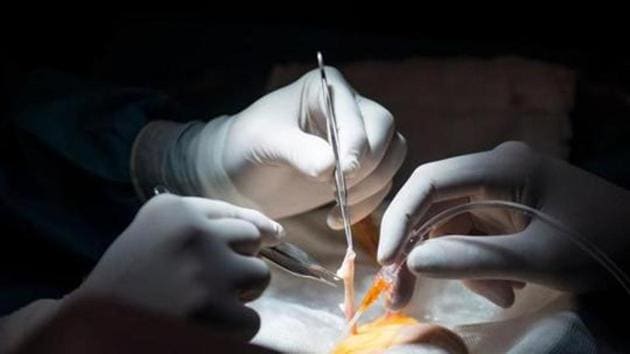
“The organ was transported from ZTCC Mumbai in the middle of the night and the transplant surgery on the patient from Thane was performed at around 3 am at Pune’s Jupiter hospital in Baner,” said Aarati Gokhale, ZTCC Pune central coordinator.
“We received the organs from ZTCC Mumbai through ROTTO (Regional Organ and Tissue Transplant Organisation), Mumbai. The donor was from Fortis Hospital, Mulund and organs were allocated to us because we had two patients registered for small bowel transplants in our zone,” Gokhale said.
According to Gokhale, it is the first-ever small bowel transplant in the state, after two such transplants in Chennai and Delhi. The transplant was successfully done with close coordination by traffic police teams from Mumbai, ZTCC Mumbai, Raigad highway, Pune rural and city police who created a green corridor last night. The distance of 138 km to transport the organ to be transplanted was covered in two hours because of the green corridor.
The recipient, a 27-year-old male, was suffering from short gut syndrome, a rare malabsorption disorder caused by a lack of functional small intestine. When the small intestines fail, transplant is the only option. Small bowel (intestine) transplant is the life-saving surgery performed on patients with irreversible intestinal failure. It is a complex surgery and requires expertise to perform, Gokhale said.
Once the intestine was allocated to the recipient, a team of surgeons from Jupiter hospital retrieved the small intestine from the donor and the recipient surgery started. Before the transplant, the patient was surviving on parenteral nutrition for three months. The length of the small intestine which was transplanted is 6 feet.
Explaining the transplant process, Dr Gaurav Chaubal, chief multi-organ transplant surgeon at Jupiter hospital, said, “Small bowel or intestinal failure means that the bowel is unable to absorb from food, the nutrients, fluids and electrolytes that are essential to live. Due to short bowel syndrome the patient was provided nutrients by TPN (Total Parenteral Nutrition) that is nutrients were supplied directly into a vein (intravenous) in the form of liquid. Through the transplant, we replaced six feet of the diseased or shortened small bowel with a healthy donor’s bowel.”
Dr Chaubal said that it would take about 2-3 weeks for the transplanted small bowel to function. The small bowel transplant is similar to any organ transplant, however the criteria for the donor are more strict as compared to other organs. “The donor has to be younger and also not obese which is what makes it a rare condition. After transplant too we have to be sure that there is no infection or rejection from the body towards the organ.”
The donor was a 48-year-old female who suffered brain death due to intracranial bleeding.
The multi-disciplinary team at Jupiter hospital that carried out the operation included Dr Aditya Nanawati, Dr S Bhalerao, Dr Apoorva Deshpande, Dr Hunaid Hatimi, Dr Abhijit Naik, Dr Pavan Hanchanale (gastroenterologist), Dr Shailesh Kakde (nephrologists), anaesthesiologists Dr Amit Bhargava, Dr Bhagyashree and intensivists Dr Vaishali Solao, Dr Jayant Shelgaonkar.


