
 E-Paper



23 samples test negative for Zika virus in Palghar district
Surveillance for Zika will continue in the affected district of Palghar along with awareness campaigns in other districts till the end of this year, said officials


All 23 samples sent to the National Institute of Virology (NIV), Pune have tested Zika virus negative, said officials of the state health department on Monday. However, surveillance for Zika will continue in the affected district of Palghar along with awareness campaigns in other districts till the end of this year, said officials.
The second case of Zika was reported in the Palghar district on July 13 this year when a 9-year-old student died here.
The first case of Zika virus in Maharashtra was detected in Purandar tehsil of Pune district in August last year. The patient was a 50-year-old woman, a resident of Belsar village, who also tested positive for Chikungunya. A team of public health department officials visited the Belsar village to carry out an inspection. The patient later completely recovered.
Dr Mahendra Jagtap, state entomologist, said that after the second case of Zika infection was detected in Palghar district, the state health department is on alert.
“After the first Zika case was detected in Palghar, we had sent 23 samples to NIV for testing and all of them have tested negative. We are monitoring 93 pregnant women in Palghar district. The surveillance will continue till the end of this year. Along with that more instructions have been issued to other districts to carry out dengue, chikungunya and Zika testing among patients exhibiting similar symptoms,” said Dr Jagtap.
According to the World Health Organisation (WHO), Zika virus infection during pregnancy can cause infants to be born with microcephaly and other congenital malformations, known as congenital Zika syndrome. Infection with Zika virus is also associated with other complications of pregnancy including preterm birth and miscarriage.
“Around 224 students from the school were tested as these students exhibited fever and other symptoms. Seven were tested for swine flu and one student was tested positive for Zika virus in July this year,” added Dr Jagtap.
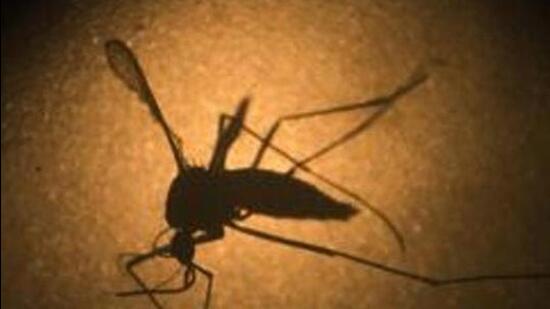
Zika is a mosquito-borne human flavivirus. It can be transmitted via Aedes mosquitoes, which bite during early mornings or even late evenings. Symptoms are generally mild and include fever, rash, conjunctivitis, muscle and joint pain, malaise, or headache.


