
 E-Paper



28 of 42 leopards at Manikdoh Rescue Centre in ‘attacker’ category
A female leopard that attacked a four-year-old boy in Alegaon village in Junnar tehsil is the latest admission at the facility

 Prefer HTon Google


The Manikdoh Leopard Rescue Centre (MLRC) in Junnar tehsil is facing a problem of plenty. It houses 42 leopards rescued by the forest department and Wildlife SOS team from villages and near human habitation. And 28 of these big cats fall under the “attacker” category requiring attention and clearance from authorities after completion of standard procedures before being released into the wild.
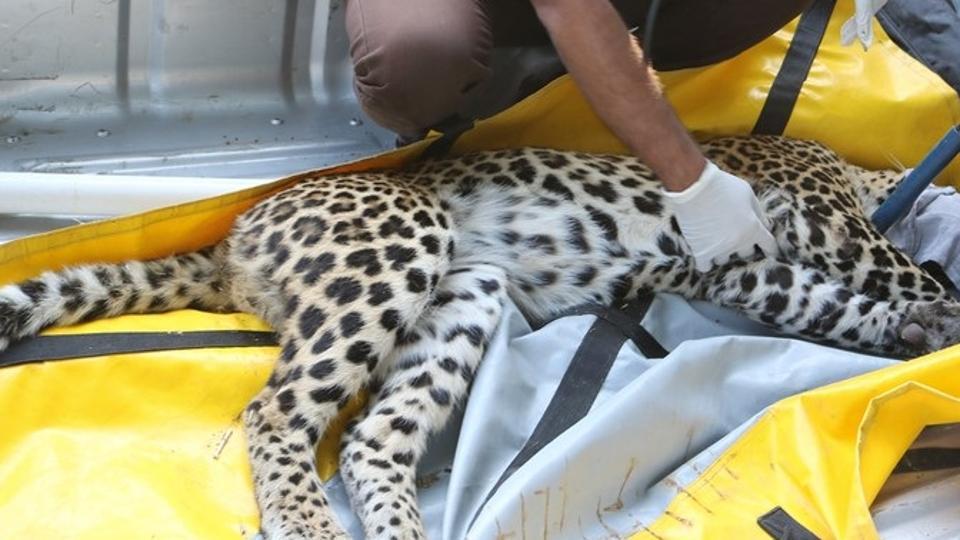
Some leopards are at the facility for several years.
To provide temporary or long-term care for leopards injured in various incidents or trapped in conflict situations, the forest department had set up the Manikdoh Leopard Rescue Centre in 2007.
The facility is managed with the help of Wildlife SOS. The leopards captured for allegedly attacking humans are termed as “attackers”. The other big cats are housed for either lifetime medical care or are under temporary observation after being rescued. The centre is also taking care of a few cubs who will be reunited with their mother.
A female leopard that attacked a four-year-old boy in Alegaon village in Junnar tehsil is the latest admission at the facility.
The centre presently has four types of big cats — too old and unable to hunt, handicapped by grievous injuries in mob attacks, hand-reared or have spent long terms in captivity such as cubs rescued before 2009 and those captured following serious attacks on human habitation and considered too dangerous for release.
Leopards rescued from distress situations like having fallen into a well are treated for injuries and released into the same area from where they are caught after a few days, said experts.
Mahendra Dhore, manager, Manikdoh Leopard Rescue Centre, said, “There was no proper facility or standard procedures to handle such cases around 10-15 years back when the man-animal conflict issue was in the emerging phase. At that time, leopards rescued from Ahmednagar, Mumbai and other parts of the state were brought to this sole facility. The facility runs as per the norms laid by the state and the Centre.”
Amit Bhise, assistant conservator of forest (ACF), Junnar forest division, said, “Majority of leopards in the ‘attacker’ category has been identified through DNA test and other standard operating procedures. It is unpredictable whether these animals will attack humans if released to the wild. Therefore, preference is given to keep them in the facility. Permissions will be obtained from the principal chief conservator of forest ( PCCF) of the Maharashtra forest department. Leopards from other facilities are also being shifted to MLRC if they are facing space issue.”
Facility adept in rescue and post-care
The rise in leopard population and increase of human settlement near forest areas has led to man-animal conflict in Junnar and Shirur areas. The forest department and the Wildlife SOS team have gained experience over the years in handling such cases, including rescue and post-care. The experts said that it is the best mitigation practice to keep leopards in captivity as some of them might create major issues as they are aggressivee and difficult to handle


