
 E-Paper



9,000 women seek care in first 2 days in 510 menopause clinics across state
The initiative, launched under the guidance of minister of state for public health, Meghna Bordikar, marks a significant step in addressing a long-neglected health concern faced by women.


PUNE: In a first-of-its-kind public health initiative in India, the Maharashtra government has rolled out 510 government-run menopause clinics across the state, with as many as 8,901 women visiting them within the first two days of operation, officials said on Thursday.
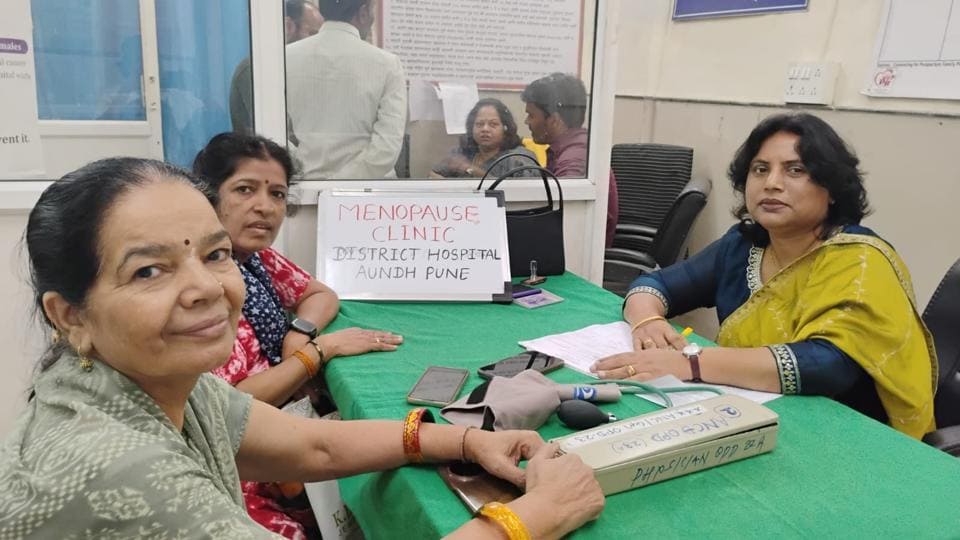
The initiative, launched under the guidance of minister of state for public health, Meghna Bordikar, marks a significant step in addressing a long-neglected health concern faced by women. The clinics are aimed at providing structured, respectful and comprehensive healthcare to women experiencing physical, emotional and hormonal changes during this natural life stage.
Bordikar said, “Menopause is not a disease, but a natural phase in a woman’s life. However, during this period, women require strong physical and emotional support. These menopause clinics have been established to ensure that every woman in Maharashtra receives proper medical guidance, treatment and dignity during this phase. When women’s health is strengthened, families, society and the state as a whole become stronger.”
The state has set up these clinics across 22 municipal corporations and 33 districts. In each district, menopause clinics are operational at district hospitals, sub-district hospitals, rural hospitals and women’s hospitals. As per the district-wise data, Pune district has 27 clinics, the highest number among all districts in Maharashtra; followed by Nashik district with 22; and Satara district with 19.
Among municipal corporations, Nagpur Municipal Corporation has the highest number of clinics at 52; followed by Brihanmumbai Municipal Corporation (BMC) at 45; and Dhule Municipal Corporation at 12. However, Pune Municipal Corporation (PMC) has not set up any menopause clinics so far, officials said.
Health officials said that menopause-related concerns such as hormonal imbalance, bone health issues, sleep disorders, cardiovascular risks and mental health challenges, have traditionally received limited or zero attention in public healthcare systems. “These clinics are designed to bridge that gap by offering focused care under one roof,” said Dr Sandeep Sangale, joint director, State Family Welfare Bureau.
According to officials, of the 8,901 women who visited the menopause clinics in the first two days of operation, 8,573 underwent screening tests and received medical care; while 52 women requiring advanced investigation and specialised treatment were referred to tertiary care hospitals.
The menopause clinics operate as dedicated outpatient departments every Wednesday; and offer medical consultations, mental health counselling, hormonal and bone assessments, cardiovascular screening, treatment, medication and lifestyle guidance. The programme was launched around Makar Sankranti, symbolically presenting it as a women’s health initiative. Beneficiaries across regions have welcomed the move, describing it as timely, empowering and sensitive to women’s needs.


