
 E-Paper



All samples for JE tested negative in Pune
According to the World Health Organization (WHO), Japanese encephalitis virus (JEV) is a flavivirus related to dengue, yellow fever and West Nile viruses, and is spread by mosquitoes


All samples which were sent for testing for Japanese Encephalitis (JE) have tested negative, confirmed Pune Municipal Corporation (PMC)’s health department officials. The spraying in the region has continued for 10 days and the first case reported is just the only isolated case in the city limits, officials confirmed.
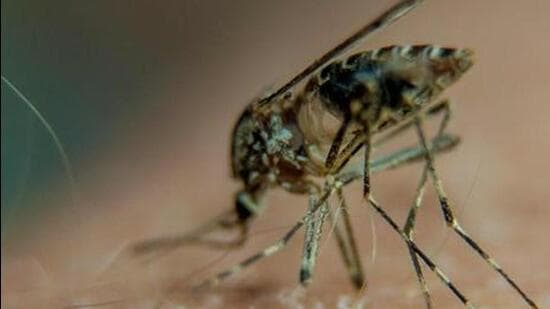
According to the World Health Organization (WHO), Japanese encephalitis virus (JEV) is a flavivirus related to dengue, yellow fever and West Nile viruses, and is spread by mosquitoes. An infection found in Asia and the west Pacific can cause brain swelling. JE is a virus spread by the bite of infected mosquitoes. Most cases are mild. In rare cases, it is known to cause serious brain swelling with a sudden headache, high fever and disorientation.
On November 3, a four-year-old was admitted to the Intensive Care Unit (ICU) of the Paediatric ward at Sassoon General Hospital. The child exhibited symptoms like fever, headache, fits and weakness. Blood samples and Cerebrospinal fluid (CSF) samples were sent to the National Institute of Virology (NIV). The test results tested positive for JE on November 29 making the four-year-old the first case in city limits.
Speaking about the case, Dr Sanjeev Wavare, assistant health chief at PMC said that after the child tested positive, the samples of the child, blood samples of household contacts were sent for further testing.
“Blood samples of seven household contacts have tested negative. Along with that the samples of 18 dogs and pigs were also sent for further testing for JE. These samples were also tested negative,” said Dr Wavare.
He also added that there are mosquito samples collected from the areas also tested negative for JE.
“Mosquito samples sent for further testing to NIV have also tested negative. After the case was tested positive, we conducted a house-to-house fever survey in the surrounding area and daily mosquito control activities were planned in the surrounding area,” said Dr Wavare.


