
 E-Paper



Civic Sanskriti: Support culture of road safety in society
Civic Sanskriti: Road traffic injuries present a colossal cost to humanity, as it is the leading cause of death among people aged 5-29 years. Road safety experts for many years now have been advocating the “safe systems approach”

 Prefer HTon Google


PUNE The World Day of Remembrance for Road Traffic Victims is observed later this week on November 21, 2021. Let’s take a moment to think about all the people who lost their lives and those seriously injured in road crashes. Today’s column is in their memory.
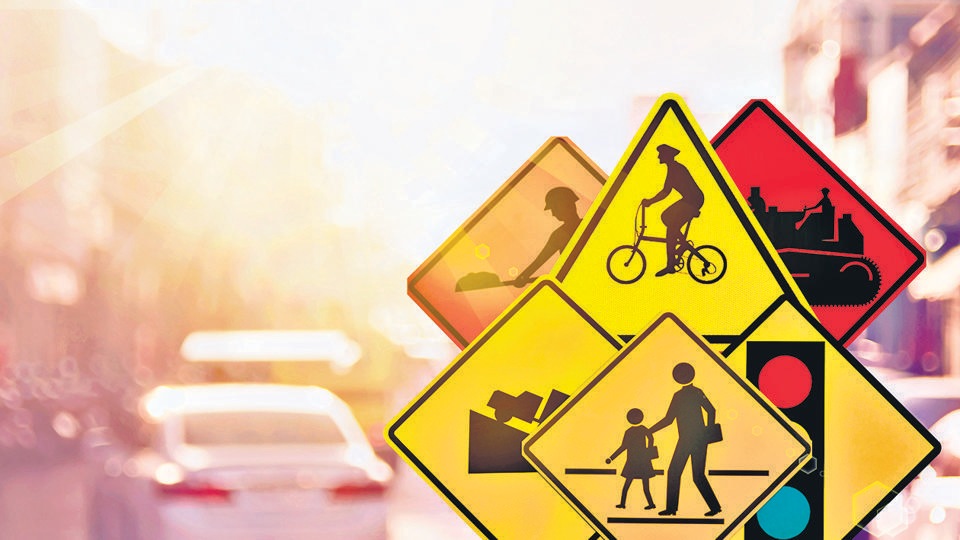
Road traffic injuries present a colossal cost to humanity, as it is the leading cause of death among people aged 5-29 years. Children, women, the elderly, and the disabled are more likely to be pedestrians and are the most vulnerable road users.
The United Nations General Assembly has proclaimed 2021-2030 as the Second Decade of Action for Road Safety with a target to reduce road traffic deaths and injuries by 50% by 2030.
From victim blaming to “safe systems”
Often, there is a tendency to blame the victims and drivers. In news reports of accidents, we read “a case of rash and negligent driving was registered”, or pedestrians are blamed for “crossing in the middle of traffic.”
However, road safety experts for many years now have been advocating the “safe systems approach.” It advocates that safety must be at the core of road transport systems. The approach anticipates and accommodates human errors. It includes road and vehicle design to prevent death or serious injury.
Those who design and maintain the roads, manufacture vehicles, enforce road safety rules and administer safety programmes share responsibility for safety with road users. Factors such as cost or the desire for faster transport should not compromise safety. In fact, lower speeds can prevent many deaths and serious injuries, especially among pedestrians, without significantly adding to travel times.
To bring down road accidents in Pune, solutions need to be jointly developed and implemented by the city and transport planning agencies, road departments and highway authorities, traffic police, regional transport office (RTO), and public transport agencies.
Multi-modal transport
Safe public transport and safe walking and cycling are key elements of road safety within the mandate of local authorities. The road department needs to adequately provide for these modes in street design and encourage road management for the safety of all. The Pune Municipal Corporation’s (PMC’s) efforts to improve footpaths and the upcoming Pune Pedestrians’ Day on December 11 are noteworthy and something to look forward to.
A similar focus is needed for cycle tracks. In Pune, after cycle tracks were made, we found motorised two-wheelers were using them. Bollards were added to prevent such misuse. Some of us spent several hours measuring just how wide the gap should be to allow a cyclist but prevent a scooter or motorcycle. Now, most of the cycle tracks have a forest of bollards but hardly any cyclists. The cure – if you can call it that – has proved worse than the disease, and the cycle tracks remain unusable. Perhaps it is time to accept that the design has not worked out.
We will need to continue to evolve cycling infrastructure design and management. Perhaps car and bike drivers who found a new interest in cycling due to the Covid-19 lockdowns are more sensitive to cyclists’ needs now. However, a systemic solution is essential, such as better enforcement to prevent motorists’ misuse of footpaths and cycle tracks and to ensure safe crossing for pedestrians and cyclists at junctions and mid-blocks. Then perhaps one day we will feel our city is safe enough for children to walk or cycle to school.
How you can help
As a driver the best policy is to stay safe – follow traffic rules, keep safe speeds, don’t drink drive, and ensure that self and passengers wear seat belts in a car and helmets on a two-wheeler. Often if you ask back-seat passengers in cars or SUVs to put on their seat belts they say, “Oh only the driver and front passenger are required to wear.” In fact, the driver and all passengers must wear seat belts to stay safe and comply with the law.
When buying a two-wheeler, you are required to be provided two helmets by the dealer, for yourself and a pillion, so make sure you get them. Helmets should fit snugly and be ISI-marked. Avoid buying a spurious or second-hand helmet especially if it is dented or cracked.
If you witness a crash and people are injured, immediately contact emergency services on 108 with your mobile or land phone. If an ambulance is not available, try to take the injured persons to a hospital. One need not fear getting stuck in legal processes after helping road crash victims, as India has enacted the Good Samaritan Law in 2015. Those who help victims are not liable in legal proceedings and need not even provide their name or number as per this law.
In addition, we should demand road safety. We do have a great opportunity to ask for road safety to be on the political agenda in the upcoming municipal elections. It’s up to us to support a culture of road safety and care in society and each of us has a role.
Sanskriti Menon is senior programme director, Centre for Environment Education. She writes on urban sustainability and participatory governance. Views are personal. She can be reached at civic.sanskriti@gmail.com


