
 E-Paper



Contaminated well suspected in GBS spike; Pune civic body now supplies clean water through tankers
As per the PMC commissioner’s orders, we have started supplying drinking water to the GBS-affected areas through tankers, said official


State Health Minister Prakash Abitkar, who visited Pune to review the Guillain-Barré Syndrome (GBS) situation, revealed that 80 per cent of the reported cases are from the areas around a well in Nanded village on Sinhgad Road, from which water is supplied to adjoining villages.
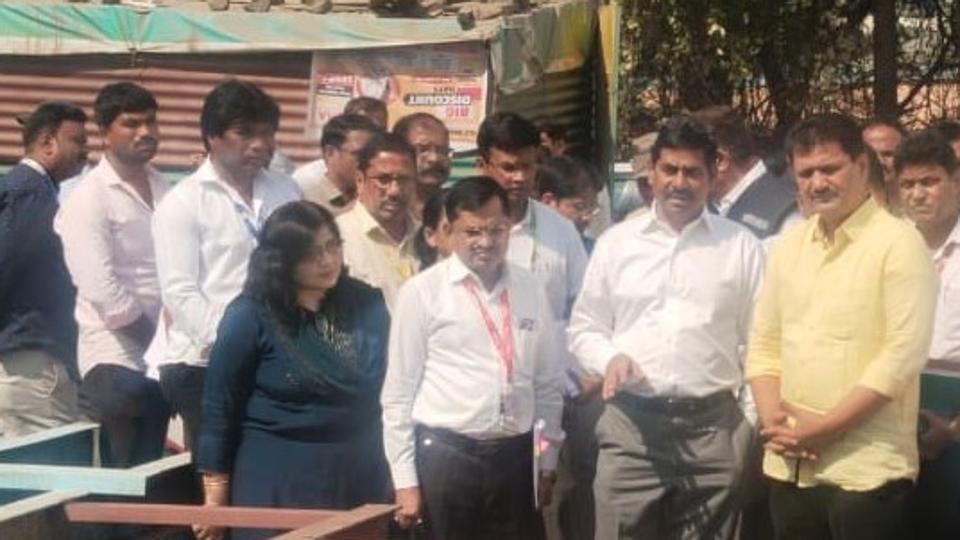
Acting on this, Pune Municipal Corporation (PMC) ordered that areas worst hit by GBS be served with water from tankers that will lift it from clean sources. Accordingly, 12 tankers were pressed into service since afternoon by PMC, said officials.
Namdev Bhajbalkar, assistant municipal commissioner of the Sinhagad Road ward office said, “As per the PMC commissioner’s orders, we have started supplying drinking water to the GBS-affected areas through tankers.”
PMC began providing clean drinking water through tankers to the affected societies in Nanded and Kirkatwadi including societies like DSK Vishwa, Moraya Sparsh, Pandurang Residency, Kalpak Homes Phase 2, Urban Park, Kamal Green Leaf, Anandban, Ingawale Patil Complex, Ujwal Nisarg Society, and Sai Galaxy.
“Additionally, water is being provided to residents of some individual houses through tankers. So far, more than 12 tankers have been deployed to supply water to citizens,” said Bhajbalkar.
On Monday, the city reported 10 new GBS cases, bringing the total to 111, with 17 patients currently on ventilator support. According to health officials, most cases have been reported from areas such as Nanded, Kirkatwadi, and Dhayari.
Inspecting the well in Nanded village, Minister Abitkar said, “Eighty per cent of cases are from areas around this well. The state health department and PMC are taking necessary measures to address the issue.”
Officials and the locals suspect that the water supplied from the well is contaminated, leading to a spike in GBS cases in the region. These areas recently came under PMC’s jurisdiction, making the civic body responsible for ensuring a clean water supply.
When asked about accountability for the suspected contamination, Abitkar said, “Concrete measures are being implemented to ensure clean drinking water. Additionally, the state needs to establish comprehensive SOPs involving municipal corporations, Zilla Parishads, and other local bodies to prevent such issues in the future.”
Stressing that GBS, while recoverable, tends to affect individuals with weakened immunity, the minister said, “The high number of cases in certain areas appears to be linked to suspected water contamination. Steps are being taken to resolve the issue and ensure clean water supply.”
Abitkar also assured that the state government would ensure no contaminated water is supplied across Maharashtra. Addressing complaints from residents about poor water quality despite paying taxes to PMC, the minister promised to address any gaps in the system.
Abitkar highlighted that medical facilities in Pune have been ramped up to provide better care for GBS patients.
“In today’s review meeting, concrete steps will be outlined to prevent a further rise in cases,” he added.
Meanwhile, PMC commissioner Rajendra Bhosale on Sunday stated that water from various sources, including wells in the affected areas, has been tested. “Our findings show no contamination in the wells. We are conducting door-to-door surveillance to check for any signs of water contamination,” he said.
Recent stool sample tests conducted at the National Institute of Virology (NIV), Pune, revealed that some samples tested positive for Norovirus. Additionally, bacterial testing identified Campylobacter jejuni in some samples, while other samples tested negative.


