
 E-Paper



Fewer Tamasha shows at winter yatras signal decline of Maharashtra’s folk theatre
Of the 17 registered traditional mandals that once toured extensively during the yatra season, barely seven to eight remain active in the state today

 Prefer HTon Google


The familiar beats of dholki and the all-night performances that once defined winter yatras across rural Maharashtra are growing quieter each year, as traditional Tamasha shows steadily disappear from village fair line-ups. Organisers say that whileTamasha was once the centrepiece attraction between February and May, many yatras now opt for DJ nights and orchestra groups instead.
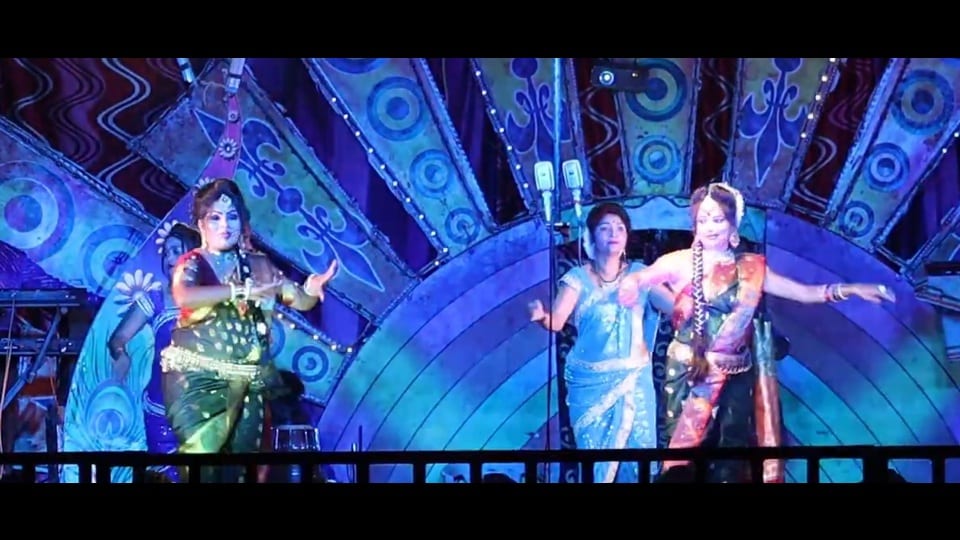
The shift has directly impacted the survival of Tamasha troupes. Of the 17 registered traditional mandals that once toured extensively during the yatra season, barely seven to eight remain active in the state today. Artists say reduced bookings during winter festivals — historically their peak earning period — have made it increasingly difficult to sustain operations through the year.
For decades, village fairs meant overnight Tamasha performances staged in open grounds, drawing crowds from neighbouring villages. The blend of music, lavani dance, satire and social commentary was a cultural highlight of the season. Now, invitations have thinned, and in several villages the art form has been replaced by shorter, modern entertainment formats perceived as more appealing to younger audiences.
Hemant Kumar Mahajan, owner of the century-old Anand Loknatya Tamasha Mandal founded by his great-grandfather before Independence, said the shrinking presence at yatras is deeply worrying. “Our troupe has a legacy of more than 100 years. Earlier, the winter yatra season would keep us fully booked. Today, bookings have reduced drastically. Out of 17 traditional mandals, only 7 to 8 are still active. If this continues, even these will struggle to survive,” he said.
Mahajan added that unpredictable weather and rising expenses have compounded the crisis. “Unseasonal rains during the yatra months lead to cancellations and heavy financial losses. Operational costs have increased, and securing grounds for performances is not easy. Around 70 artists and workers depend on our mandal. Without timely support, this art form may not survive for long,” he said.
Veteran artist Dilip Sonar, who has performed Tamasha for over 40 years, said the decline in winter audiences has directly hit performers’ incomes. “During yatras earlier, thousands would gather. Now we struggle to sell 300 to 400 tickets. Some villagers try to watch without buying tickets. When rains disrupt shows, we lose entire days of income. At this stage in life, we cannot change professions. The government must consider fixed honorariums for artists,” he said.
The change is visible at the village level. In Sangli district, one village committee has replaced Tamasha with an orchestra performance for its upcoming winter fair. “We respect Tamasha as part of our tradition, but the younger generation prefers modern music. Orchestra shows attract bigger crowds and sponsors. It is financially safer for us,” said sarpanch Ashishrao Kadhegaonkar.
Artists recall that during the tenure of former chief minister Vilasrao Deshmukh, Tamasha troupes received an ₹8 lakh financial package every three years, which helped them sustain through lean periods. According to stakeholders, such structured support has not continued consistently in recent years.
Maharashtra’s cultural affairs minister Ashish Shelar said the government recognises the issue. “Tamasha is not just entertainment; it is the cultural identity of rural Maharashtra. We are working on measures to provide financial assistance and more performance opportunities so that artists receive dignity and security,” he said.
For many performers, however, the fading presence of Tamasha at winter yatras is more than a seasonal dip — it is a sign that one of Maharashtra’s oldest folk traditions is steadily losing ground in the very spaces where it once thrived.


