
 E-Paper



Foot-and-mouth disease suspected as cause of deer deaths at Pune’s Katraj Zoo
Officials reported the deaths of 14 female and two male Chital deer recently between July 6 and July 12, with the sudden fatalities raising concerns over the effectiveness of health and safety measures at the zoo

 Prefer HTon Google


The recent deaths of 16 Chital deer at the Rajiv Gandhi Zoological Park in Katraj (Katraj Zoo) have raised alarm bells, with authorities suspecting foot-and-mouth disease (FMD) as a possible cause, officials said. While the infection has not yet been officially confirmed, preliminary observations indicate signs of the highly contagious viral disease. Confirmation is awaited pending laboratory reports.
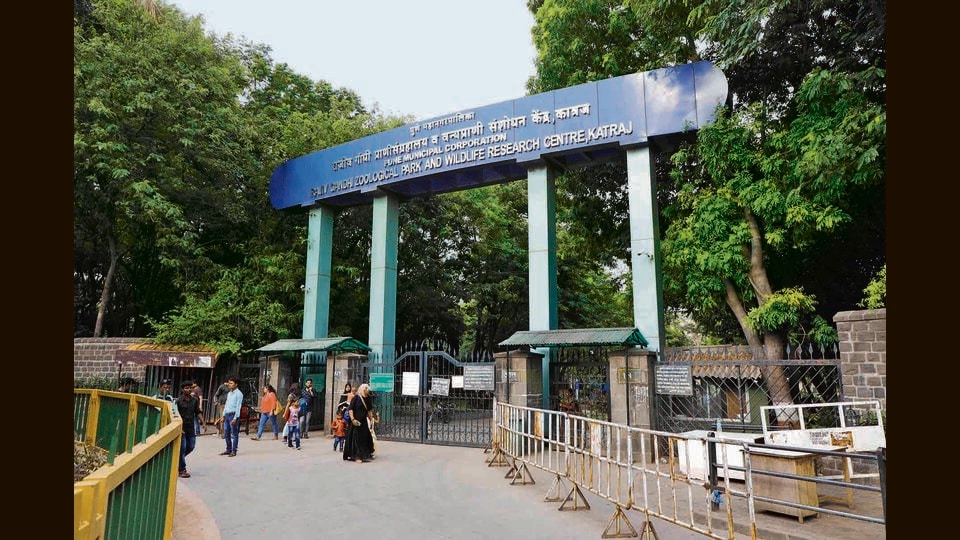
The zoo reported the deaths of 14 female and two male Chital deer recently between July 6 and July 12, with the sudden fatalities raising concerns over the effectiveness of health and safety measures at the zoo. So much so that veterinary experts and disease specialists were brought in to investigate the reason behind the deaths and contain any potential disease outbreak.
A senior official involved in the probe on condition of anonymity said that FMD appears to be the likely cause of the deer deaths. However, the exact reason will be known only after the results of the laboratory tests are received. FMD is a viral disease that primarily affects cloven-hooved animals such as cattle, buffaloes, goats, sheep, deer, and pigs. It spreads rapidly through direct contact, contaminated surfaces, animal feed and water, and in some cases, through the air. While not transmissible to humans, the disease can severely impact animal health and lead to death if left unchecked. Considering the possibility of FMD being the cause of the deer deaths, all biosecurity protocols are being strictly followed; and the remaining deer population is under close observation with regular checkups being conducted by members of the health advisory panel, zoo director Rajkumar Jadhav informed.
Furthermore, the casualties have reignited concerns over the functioning of the zoo advisory committee. Former wildlife officials and Maharashtra State Wildlife Board members criticised the management of the zoo, noting that advisory committee meetings — mandated by the Central Zoo Authority (CZA) — have not been held for a long time. These meetings are intended to review operations, guide policy decisions, and ensure animal welfare in line with national conservation standards. A senior forest department official too pointed at the prolonged delay in convening meetings, adding that the same has left several management issues unresolved. Aditya Paranjape, who recently completed his term as honorary wildlife warden in Pune, said that despite repeated reminders, the zoo director and the Pune Municipal Corporation (PMC) failed to engage with the committee members. “The zoo advisory committee plays a crucial role in ensuring transparency and ethical zoo governance,” Paranjape said, and added that he was neither invited to nor informed about any meetings during his tenure as honorary wildlife warden.
Similar concerns were raised by Anuj Khare, a member of the Maharashtra State Wildlife Board, who pointed out that though three board members are based in Pune, none were approached by the zoo authorities. “Regular meetings are vital, but to my knowledge, no such meeting has been held in recent times,” Khare said.
In response to the criticism, Jadhav said that the advisory committee had met in February this year and that the zoo holds regular health advisory meetings to monitor animal welfare and submits updates to the CZA. Jadhav also clarified that Ashok Ghorpade, head of the PMC garden department, serves as the committee’s member-secretary and is responsible for organising its meetings. Meanwhile, Ghorpade did not respond to calls for comment.


