
 E-Paper



Green tax collection nears ₹70 crore in last five years in Pune
The tax is aimed at discouraging prolonged use of old, polluting vehicles and encouraging owners to shift to newer, cleaner alternatives


The Pune Regional Transport Office (RTO) has witnessed a significant rise in revenue collection through the “green tax,” imposed on old vehicles to curb pollution, with nearly ₹70 crore collected over the last five years.
According to RTO data, the green tax is levied on private vehicles after they complete 15 years and on commercial vehicles after 8 years. This tax is collected at the time of renewal of vehicle registration or fitness certification. Officials said that due to improved road conditions, better maintenance practices and regulated vehicle usage, many vehicles are now being used well beyond 15 years, leading to a rise in green tax collections.
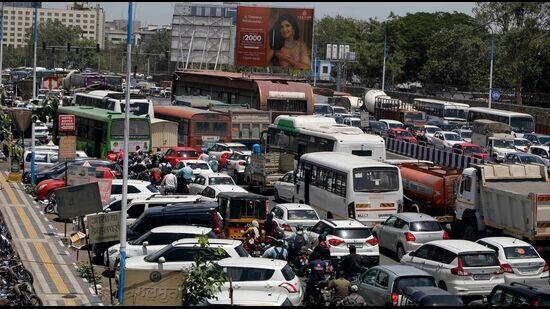
The number of old vehicles in Pune remains high. On average, nearly 40,000 new vehicles are registered every year, but a substantial number of older vehicles also remain in use. Many vehicle owners prefer renewing registrations and paying the green tax instead of purchasing new vehicles, contributing to consistent revenue growth for the RTO.
The year-wise figures show that green tax collection has steadily increased. While the annual collection was around ₹13.58 crore in 2021, it rose marginally in subsequent years and crossed ₹15 crore in the current financial year. Over 5 years, this cumulative collection has reached close to ₹70 crore, underlining the financial significance of the tax for the transport department.
The green tax rates currently stand at ₹2,000 for two-wheelers, ₹3,000 for petrol four-wheelers and ₹3,400 for diesel four-wheelers. The tax is aimed at discouraging prolonged use of old, polluting vehicles and encouraging owners to shift to newer, cleaner alternatives.
“The primary objective of the green tax is environmental protection by controlling vehicular pollution,” said Swapnil Bhosale, deputy regional transport officer.
Environmental activists, however, have raised concerns about whether the funds collected are being directly used for pollution-control measures. They have demanded that the revenue be specifically earmarked for environmental projects, sustainable transport initiatives and traffic management improvements.


