
 E-Paper



If situation normalises, I would like to go back again, says Pune-based Parag Rabade after his arrival from Afghanistan
He said over the years the number of female students has increased in universities at Afghanistan and more women are getting permission to learn and take up jobs


Parag Rabade, who returned to Pune from Afghanistan on Wednesday, said he would like to go back to the foreign country if situation normalises in the near future.
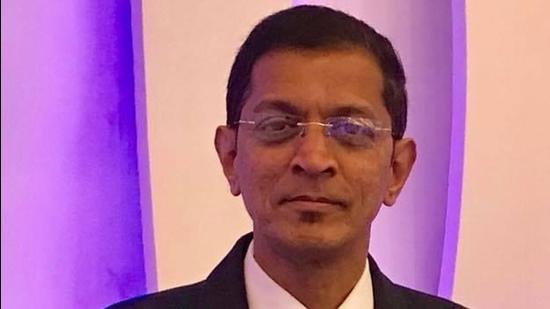
The professor, who teaches Computer Science, International Relations and Management in seven private universities in Kabul, returned to Pune in the morning a day after he arrived in India in C-17 aircraft as a part of evacuation exercise undertaken by the Indian government on Tuesday.
Rabade had earlier booked a ticket to return home through an Air India flight scheduled on Monday.
“My mother started crying after seeing me. My family and friends were sure that I would return home safely, but when and how it would happen was a cause of concern,” he said.
Recounting the panic situation in Afghanistan after the Taliban seized control of the country, and his efforts to return home, Rabade said, “After Sunday afternoon the situation changed in Kabul. As the information got circulated that Kabul fell, there was panic among people. I had booked a ticket on the Air India flight for Monday. I reached the airport in the early hours. There was chaos at the airport and the situation was completely out of control. I went to the Indian embassy and found out that the air space had been closed. I was informed that the aircraft C-17 would be evacuating people waiting at the Indian embassy. The Taliban authorities had imposed curfew on the roads and no one could travel, but they assured to not harm the embassy.”
Having left the home the day before he boarded the evacuation flight, Rabade had to wait at the airport empty stomach. He had shared the situation in a video recorded from the Indian embassy on Twitter. “My friends and family were worried about my safe return. I was in constant touch with my family and friends. There were 143 passengers in the aircraft that I boarded, including diplomats, military officials and ambassador,” said Rabade.
With two doctorates, in Computer Science and Management, Rabade started teaching in universities in Kabul when he moved to the foreign country in 2014.
“I am well versed in their native language so communication was not a problem. Over the years, I have developed rapport with the students. The education of my students hasn’t been completed yet. My family is worried about me, so they are saying that I shouldn’t return. Everyone is hoping for a better situation. If it improves and the embassy reopens then I would like to go back,” said Rabade.
He said over the years the number of female students has increased in universities at Afghanistan and more women are getting permission to learn and take up jobs. “In 2014, the count of female students in classes was around 28%-29%. By 2020, it increased to 49%. They got permission to learn and seek employment opportunities. What will happen now is left to be seen. This period is different from the earlier times when the Taliban was in power. Now we are living in the era of the internet and smartphones. I hope there won’t be any disruptions in education. But people will have fear in their minds till situation changes for better,” said Rabade.


