
 E-Paper



Pune: Over 70 cases of dehydration in animals reported over last 2 weeks
Last year, over 250 animals were admitted to the RESQ TTC between April and May whereas this year, due to rising temperatures, over 70 animals have been admitted to the centre in the beginning of April alone. Most of these animals have been admitted for dehydration

 Prefer HTon Google


Recently, an Indian cobra was admitted to the RESQ Wildlife Treatment Transit Centre (TTC) – a non-governmental organisation working closely with the forest department – for severe dehydration. The cobra is not alone for more than 70 cases of dehydration have been reported in animals over the last two weeks, and RESQ only expects this number to increase in the coming weeks as Pune braces for an even hotter summer.
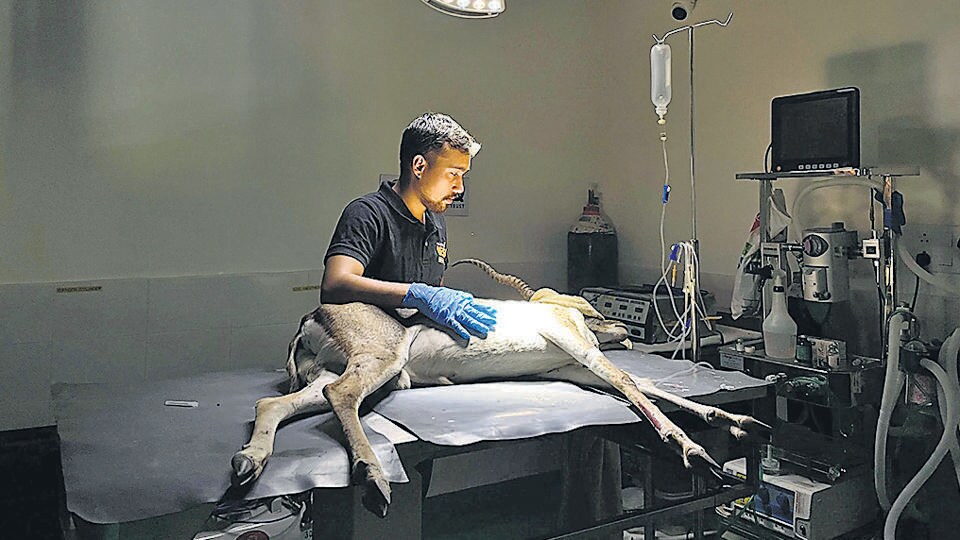
Last year, over 250 animals were admitted to the RESQ TTC between April and May whereas this year, due to rising temperatures, over 70 animals have been admitted to the centre in the beginning of April alone. Most of these animals have been admitted for dehydration.
Pallavi Gowda, RESQ Wildlife TTC manager, said, “In the non-summer season, we generally get less than 100 cases of dehydration in a month. Many times, we find that the dehydration issue is a direct impact of injury as the animals are unable to avail/consume water and food. But in the summer season, there are many cases directly associated with dehydration.’’
Birds too are affected by the sweltering heat. Some common birds usually admitted for dehydration include Black kites, Rose-ringed/Alexandrine parakeets, barn owls and house crows whereas uncommon birds such as the Red-headed Ibis, Indian eagle owl, Grey heron and Red-necked falcon, too, are admitted for dehydration from semi-urban and rural areas. During summer, many species of deer venture out of forested areas in search of water only to be attacked by wild dogs.
Water scarcity is also among the reasons behind dehydration in animals. Regarding the availability of water in sanctuaries, Vasant Chavan, range forest officer from the Bhimashankar Wildlife Sanctuary, said, “Though the district is witnessing unseasonal rain in many areas, the rain is not adequate to fill up watering holes including artificial ponds built by the forest department. Currently, the water availability is low but the animals may face further water shortage in the latter part of summer. The department is constantly working to provide water for animals.”
About the treatment for dehydration, Gowda of RESQ said, “Once an animal is admitted to the RESQ Wildlife TTC for dehydration, it undergoes a thorough full-body examination. The extent of fluid therapy it undergoes is determined by the level of dehydration. An enclosure with a controlled environment is provided for the animal to feel at home and regain strength. The animal must tick the right boxes such as self-feeding and drinking along with exhibiting natural behaviours for it to be considered fit for release into the same habitat from where it came.”
Temperatures have been on the rise in Pune since the beginning of April. The maximum temperature recorded on April 12 was 38.6 degrees Celsius, up from 32.8 degrees Celsius recorded on March 31. Some areas of the district even saw temperatures above 40 degrees Celsius. Earlier, the IMD had predicted a heatwave in Pune. With the rise in mercury levels, both humans and animals are suffering from heat-related issues such as stroke, fatigue and dehydration.
RESQ Wildlife TTC is preparing for a further rise in temperatures in terms of sufficiently covered outdoor enclosures, coolers, intensive care units and nursery wards to maintain suitable temperatures for animals undergoing post-operative care/rehabilitation. Gowda urges citizens to immediately report cases of dehydration in animals to the centre.
About cases of dehydration in animals in Pune city, Mangesh Dighe, head, environment department of the Pune Municipal Corporation (PMC), said, “As of now, we do not have any cases of animals suffering from heat-related problems. However, considering the increasingly hot summer, we have already taken various precautionary measures at the Rajiv Gandhi Zoological Park, Katraj.”


