
 E-Paper



Leopard cubs reunite with mother in fields of Junnar
PUNE In a successful rescue and conservation effort by Wildlife SOS and the Maharashtra Forest Department, a pair of 45-day-old leopard cubs found in a sugar cane field in Nirgude Village in Junnar taluka were reunited with their mother recently

 Prefer HTon Google


PUNE In a successful rescue and conservation effort by Wildlife SOS and the Maharashtra Forest Department, a pair of 45-day-old leopard cubs found in a sugar cane field in Nirgude Village in Junnar taluka were reunited with their mother recently.
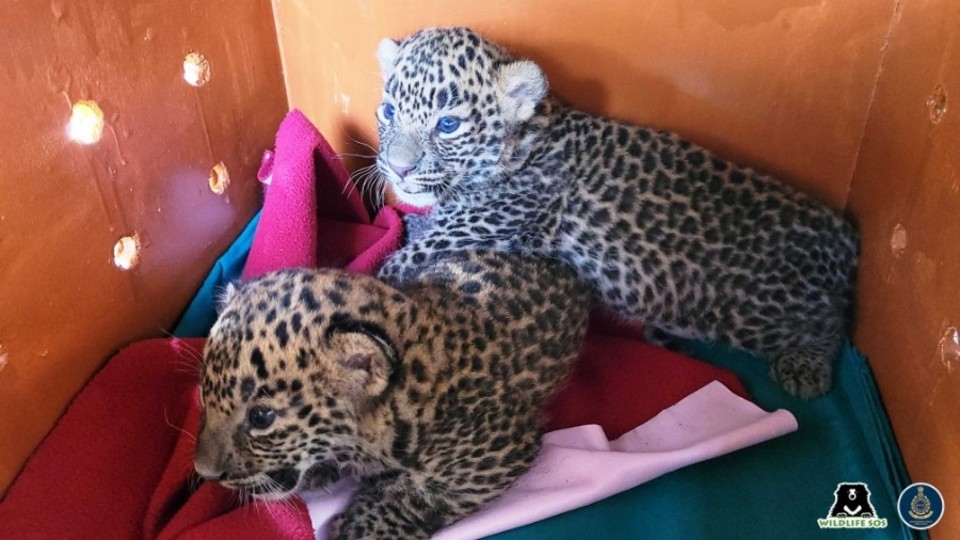
Local farmers, while harvesting their sugar cane crops, had spotted the cubs.
Accustomed to finding lost leopard cubs during sugar cane harvesting season, and aware of the need to take quick action, the villagers immediately contacted the forest department, who later brought the cubs to the Wildlife SOS Leopard Rescue Centre for medical examination.
Farmers in Junnar taluka are used to witnessing young leopard cubs taking shelter in sugarcane fields. The tall, dense sugarcane stalks provide adequate cover for the leopards but leave their cubs at risk of being found by people working in the fields.
The cubs, one male and one female, are around 45-days-old. Wildlife Veterinary Officer, Wildlife SOS Dr Nikhil Bangar conducted a detailed examination for ticks and injuries and found the cubs to be healthy.
Ajit Shinde, range forest officer, said, “We are glad to see that people are becoming aware and sensitive towards the wildlife that share the surrounding habitats. Today, more people are reaching out to us for help when they encounter leopards and other wild animals in the area.”
The SOS and the forest department facilitated the reunion by placing the cubs in a safe box, close to where they were discovered and installed a remote controlled camera trap to document the reunion process.
Dr Bangar said, “The mother must have been searching for her cubs, as within a few minutes she was able to sniff them out. On reaching the box, she patiently waited to ensure no danger stood in the way, and then she used her paws to tip it over. She then moved her cubs to a safer location. Wildlife SOS makes every effort to make such rescue and reunion operations possible.”
Kartick Satyanarayan, co-founder and CEO of Wildlife SOS, said, “Over the years, Wildlife SOS has partnered with the state forest department to conduct many workshops and awareness modules which have shown significant results, indicated by the increasing number of phone calls we get for rescuing distressed wildlife. It has been our sincere effort to mitigate conflict in these areas, and we are incredibly grateful to the forest department for being such a staunch support and the local residents, who are keeping avoidance and mitigation teachings in mind when dealing with wild animals.”
Why do leopards prefer sugarcane fields?
From December to March, the weather conditions favour sugarcane cultivation. The tall and dense grass of sugarcane offer close to an ideal home to the leopard. Maharashtra is home to a large population of wild Indian leopards (Panthera pardus), who often find a safe abode among the tall sugarcane crops.


