
 E-Paper



MNGL steps in to support restaurants amid LPG shortage
Pune restaurants face LPG shortages; MNGL offers piped natural gas connections to help. This shift aims to stabilize supply and reduce reliance on LPG.

 Prefer HTon Google


Pune: As several restaurants in Pune are grappling with an acute shortage of commercial LPG cylinders, Maharashtra Natural Gas Limited (MNGL) has stepped in to help food establishments shift to piped natural gas (PNG) connections, wherever feasible.
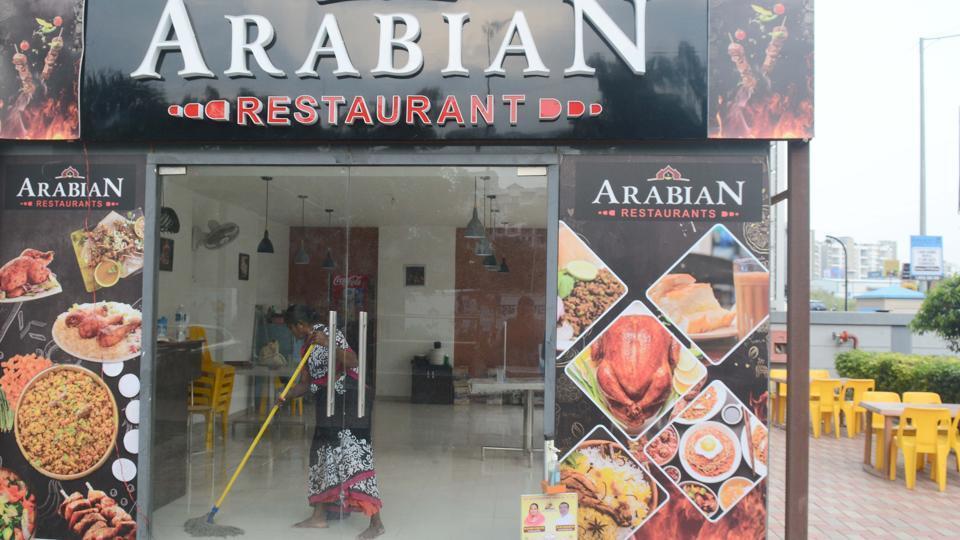
Amid the ongoing disruption in LPG supply — linked partly to global uncertainties in fuel logistics due to the escalating conflict in West Asia — MNGL officials recently met representatives of the Pune chapter of the National Restaurants Association of India (NRAI) to discuss immediate relief measures for the hospitality sector.
“With the support of the Petroleum and Natural Gas Regulatory Board (PNGRB), MNGL is actively promoting the use of piped natural gas (PNG) under the National PNG Drive 2.0 initiative. This is a nationwide campaign aimed at increasing the adoption of piped natural gas across residential, commercial and industrial sectors. The initiative aligns with the union government’s objective to increase natural gas in the country’s energy mix from 6% to 15%. As part of this campaign, MNGL is encouraging both domestic and commercial consumers to switch to PNG. Interested consumers can register for new connections or seek further information by contacting MNGL,” the gas supplier said in a statement.
As part of the plan, MNGL has identified around 150 restaurants located close to existing gas pipelines where PNG connections can be extended with minimal additional infrastructure. The company has indicated that it is willing to accelerate the process for commercial establishments that wish to switch from LPG to piped gas.
Restaurant industry representatives said MNGL has offered to simplify the procedure by assisting establishments with regulatory formalities, including fire safety permissions and coordination with relevant authorities. The move is expected to reduce the time required for new connections and help restaurants continue operations during the ongoing LPG crunch.
The crisis has already forced several eateries in the city to scale down operations. Some well-known outlets temporarily shut their kitchens this week as LPG stocks ran out, while others have removed gas-intensive items from their menus or shifted to electric induction cooking to keep their businesses running.
Industry representatives said the situation has become extremely challenging, with distributors reporting a lack of commercial LPG cylinders despite regular orders from restaurants.
Meanwhile, MNGL clarified that the government prioritised the supply of natural gas for domestic use following a directive issued under the Natural Gas (Supply Regulation) Order, 2026 earlier this month. The order mandates that gas allocation should ensure uninterrupted availability for household cooking requirements.
According to the company, its primary responsibility remains maintaining continuous PNG supply to residential consumers and compressed natural gas (CNG) for vehicles. MNGL currently operates an extensive pipeline network of nearly 8,000 inch-kilometres across Pune and Pimpri-Chinchwad, serving about eight lakh domestic PNG connections and more than 5.5 lakh CNG vehicles.
At the same time, the company is encouraging commercial establishments to adopt PNG as a cleaner and more reliable cooking fuel. Officials say the shift would reduce dependence on LPG cylinders and provide restaurants with a stable supply during disruptions such as the present one.


