
 E-Paper



Monday Musings:Giving mega facelift to holy site at Pandharpur
The plan includes widening existing roads, shifting shops, building parking lots, and creating facilities for devotees who come in large numbers in this temple town in Solapur district

 Prefer HTon Google


If temples are central to Prime Minister Narendra Modi’s new idea of India, the state government led by chief minister Eknath Shinde and his deputy Devendra Fadnavis seems to have borrowed a leaf out of the Centre’s book.
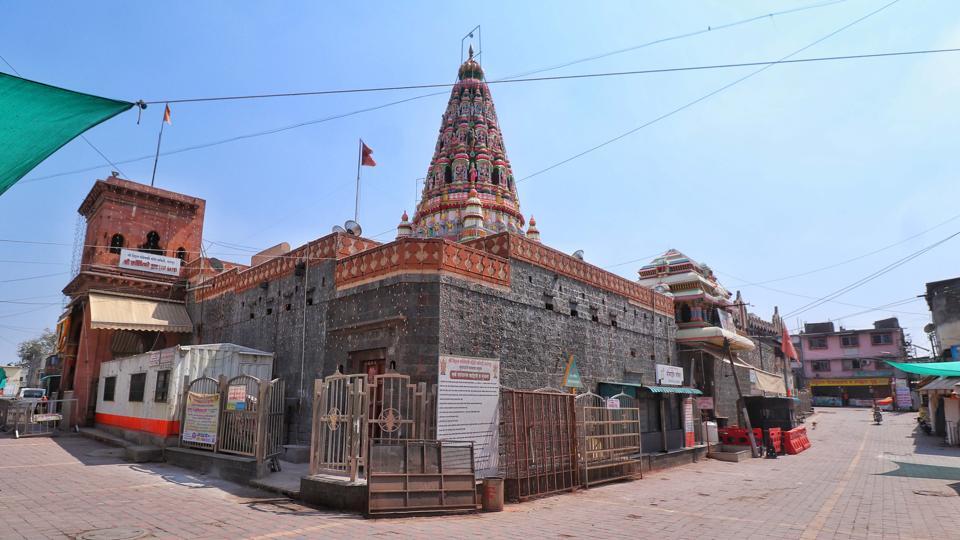
In this case, the state government is planning to replicate Kashi Vishwanath corridor model in Pandharpur, known to be Dakshin Kashi, which attracts thousands of devotees each day and at least a million Hindu pilgrims on certain days of the year.
Pandharpur town, situated on the banks of the Chandrabhaga river, traces its roots centuries ago. The government has proposed a major revamp of the area alongside the famous Vitthal Rukmai temple and the rest of the town. The plan includes widening existing roads, shifting shops, building parking lots, and creating facilities for devotees who come in large numbers in this temple town in Solapur district.
The plan may look attractive on paper, but its execution will be a challenge before the government authorities. Especially, how they manoeuvre the revamp project in an area where thousands of people live in cheek-by-jowl homes, often jostling with overflowing drains and cowed in cramped, centuries-old lanes. Despite the historical significance of the spot, many buildings are dilapidated, and derelict, civic amenities have been inadequate and encroachment is rampant, something most temple towns in India are synonymous with. If there’s a major disaster, the fire brigade team and its vehicles cannot even reach the congested bylanes in Pandharpur. Similarly, hundreds of thousands of devotees who land here on Ashadi and Kartiki Ekadashi during the year often complain about the lack of facilities.
The makeover project, which is estimated to cost ₹1,500 crore of which ₹300 crore will be spent only on developing the corridor through the famous temple, being referred to as ‘Pandharpur development plan.’ The idea is to provide easy access to the river and the temple.
However, it has miffed the locals who fear losing houses and shops, and their livelihoods. With stiff opposition from locals, execution of the plan may not be an easy task for the government as there are likely to be litigations and vote bank arm-twisting.
This is not the first time though that plans have been made to decongest this timeless temple city. In 1982, the then government through a local body revamped central parts of the town in which many had lost their shops. This time, the proposed plan may affect more than 5,000 residents in a town that has a population of around 30,000.
For the government, the focus on temples is wide-ranging — with a deep focus on infrastructure, development and domestic tourism as much as it is on cultural nationalism.
If the corridor is a beautification project that seeks to decongest the space along the temple and create a large complex of facilities for pilgrims and visitors in the area, it can be seen as a creation through destructing existing structures.
To take the locals in confidence, the government requires to be transparent and communicative. The existing draft of the proposed plan is currently being circulated by locals even as the government has maintained silence. If the government is more open and takes residents into confidence, the project can be a success. And if the government offers substantial compensation to families while advancing the rehabilitation plan even before it completes the revamp, the locals will come on board. After all, the facelift is likely to increase the flow of devotees to this centuries-old temple town. This will in turn increase the local economy further, and offer benefits to the residents.


