
 E-Paper



MPCB slaps notice to 270 hotels, clubs in Pune for violating norms
The notices were issued last week under Section 31(A) of the Air (Prevention and Control Act) 1981. The establishments are asked to reduce particulate matter (PM) and check odour and noise pollution at their premises

 Prefer HTon Google


The Maharashtra Pollution Control Board (MPCB) has issued notices to 270 clubs and hotels in Pune and Pimpri-Chinchwad for violating pollution norms, said officials on Saturday.
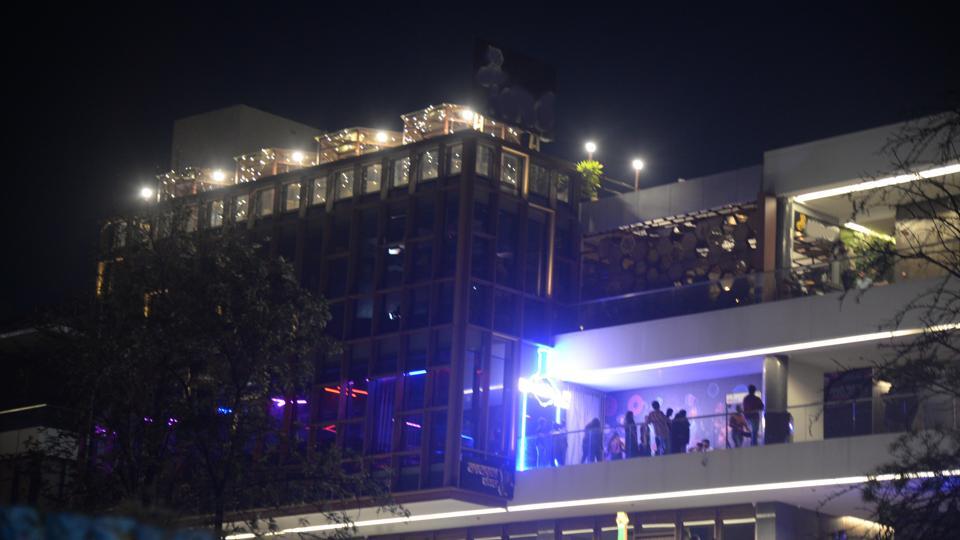
The notices were issued last week under Section 31(A) of the Air (Prevention and Control Act) 1981. The establishments are asked to reduce particulate matter (PM) and check odour and noise pollution at their premises.
Ravindra Andhale, regional officer, MPCB, Pune, said, “Our team will visit these hotels and clubs and take steps to close it if the compliance norms are not followed.”
Pune and Pimpri-Chinchwad are among the 19 cities included in the clean air action plan under the National Clean Air Programme (NCAP).
Another senior officer, said, “As per rules, hotels, restaurants, clubs must have a mechanism to reduce water pollution by setting up effluent treatment plant (ETP) to treat wastewater from the kitchen, laundry and domestic sewage.”
Ganesh Shetty, president, Pune Hoteliers Association, said, “Several hotels are switching to cost-effective and environment-friendly LPG from coal or wood by spending more money. Complaints regarding banquet halls not following pollution norms have considerably reduced over the years.”


