
 E-Paper



MSRTC land to be developed under PPP model: Pratap Sarnaik
Maharashtra government will develop vacant and surplus land owned by MSRTC through the public-private partnership (PPP) model to improve passenger amenities and finances

 Prefer HTon Google


Pune: The Maharashtra government has decided to develop vacant and surplus land owned by the Maharashtra State Road Transport Corporation (MSRTC) through the Public-Private Partnership (PPP) model to improve passenger amenities and strengthen the transport undertaking’s finances.
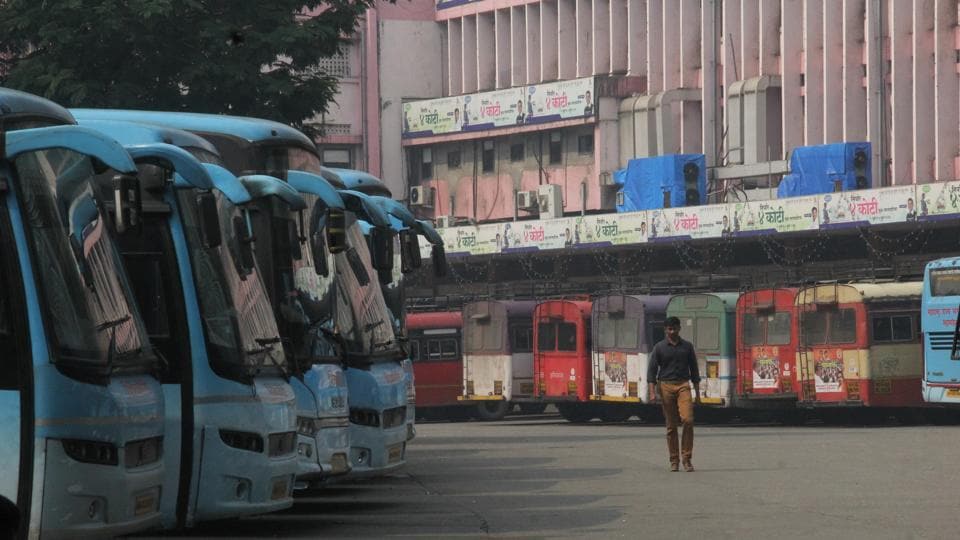
State transport minister Pratap Sarnaik informed the Legislative Council about the decision while responding to a half-hour discussion on the issue.
According to the transport department, MSRTC owns over 1,500 hectares of land across the state at various depots and bus station premises. The government plans to utilise these parcels in a planned manner to generate revenue, upgrade infrastructure and create employment opportunities.
At present, MSRTC operates 251 depots and 581 bus stations. A survey identified nearly 2,360 hectares of land across 482 locations that could potentially be developed.
Officials said the land parcels will be leased to private developers for redevelopment under the PPP model. The government has also approved a revised lease policy to make the projects more attractive for investors. While the base lease period increased from 30 years to 60 years, commercial projects may use a 49+49 year structure, effectively allowing developers to use the land for up to 98 years.
An earlier attempt to develop these lands through a tender process in 2017 failed to attract an adequate investor response. Following this, a high-level committee reviewed the process and recommended policy changes, after which the state prepared a revised framework and initiated a fresh tender process.
Major cities, including Mumbai, Thane, Navi Mumbai and Pune, are expected to see phased development of MSRTC land parcels. The projects are likely to include modern bus stations along with commercial complexes, office spaces and improved passenger amenities such as waiting areas, sanitation facilities and service centres.
To streamline the process, the state has empanelled project management consultants to guide the redevelopment plans. Land parcels have been grouped into cluster packages based on financial viability and categorised into A, B and C segments covering district, taluka and village-level locations. In the first phase, the government plans to develop 216 locations through 72 projects under the PPP model.
Sarnaik said the initiative would help modernise bus stations across the state while creating a sustainable source of revenue for MSRTC. He added that space within these developments could also be used for offices of state and central government agencies wherever required.


