
 E-Paper



NCLT approves Darwin Platform’s resolution plan for Lavasa
Mumbai-based Darwin Platform Infrastructure Limited (DPIL) had received backing from Committee of Creditors in 2021 for its bid to take over Lavasa hill city, offering hopes to many investors awaiting completion of ambitious project

 Prefer HTon Google


The National Company Law Tribunal (NCLT) on Friday approved a revised and improved resolution plan submitted by Darwin Platform Group of Companies for the revival of Lavasa hill city in Pune district.
The Mumbai bench of NCLT comprising members Kuldeep Kumar Kareer (judicial member) and Shyam Babu Gautam (technical member) pronounced its final verdict in the case that will help large lenders such as banks and smaller investors who purchased flats and bungalows, most of them being incomplete.
The Mumbai-based Darwin Platform Infrastructure Limited (DPIL) had received backing from Committee of Creditors in 2021 for its bid to take over Lavasa hill city, offering hopes to many investors awaiting completion of ambitious project.
A revised plan was submitted after the tribunal had directed lenders of Lavasa Corporation to consider an equitable distribution of proceeds from the sale of the township developer and its two units to winning bidder Darwin Platform Infrastructure.
The tribunal in its order stated that the resolution plan (Submitted by DPIL) meets the necessary statutory requirements under the code as well as the regulations, and the NCLT hereby approve the same.
The NCLT has also directed resolution professional (RP) to handover all records, premises or documents to resolution applicant to finalise the further line of action required for starting of the operation as contemplated under the resolution plan.
“Further, on payment of the entire amount to financial creditors, financial creditors shall unconditionally release all securities/corporate guarantees provided by the corporate debtor/collaterals owned by the corporate debtor provided as security against the debt availed,” stated the order by two-member bench of NCLT.
The Lavasa’s Committee of Creditors (CoC) had voted in favour of the plan submitted by Ajay Harinath Singh-led DPIL, which proposed a total resolution plan of ₹1,814 crore.
DPIL’s chairman Singh in official statement said, “The NCLT has entrusted us with a challenging task to develop an ambitious world-class smart city in the country. The verdict would reinforce our commitment to nation-building.”
The tribunal in its order has outlined that the “investment of ₹1,814 includes a resolution plan of ₹1,466.50 crore to be paid or discharged from funds infused over multiple tranches into the corporate debtor by way of cash funding and instruments, being equity, project inflows, loans, advances or a combination thereof”. These amounts shall be utilised for mandatory payments under the code, payments proposed to be made to certain creditors including operational creditors, and the secured financial creditors of the corporate debtors, and meeting the working capital and/or expenditure requirements, the order stated.
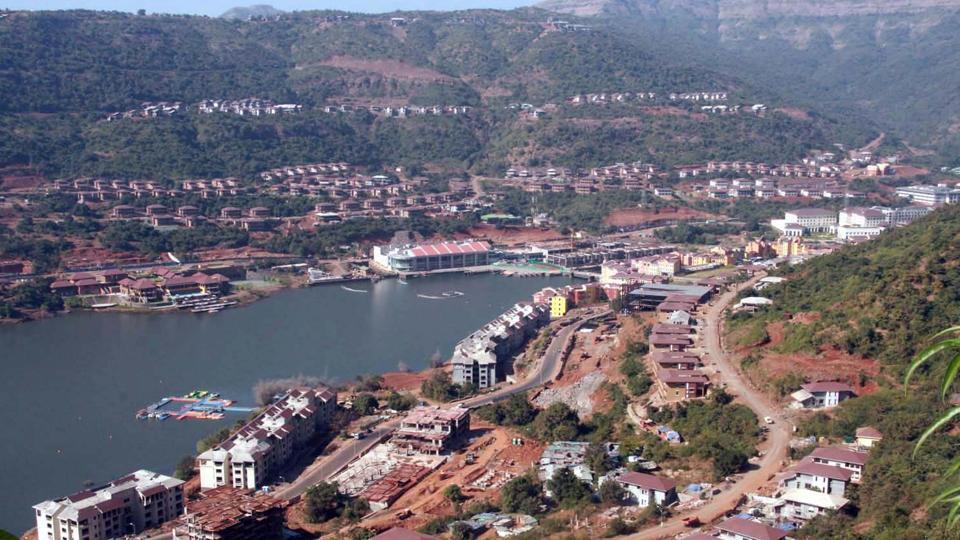
Lavasa hill city, some 60 kilometres from Pune, was first proposed in 1990s and was once touted as a hilltop paradise, modelled on the cotton-candy harbour of Italy’s Portofino. It would be India’s first privately built and managed city. Curious tourists and locals looking for a break from city life often flocked to the streets of Dasve village, where the hill city has come up. In the process, many restaurants and coffee shops came up on the promenade facing the lake situated in the middle of the city.
However, as funding crunch led Lavasa Corporation to be admitted under the Insolvency and Bankruptcy Code (IBC) 2018, fate of several investors faced uncertain future.
Minoo Wadia, president, Apex Association of Lavasa Property owners, said, “We have been working right from the beginning. We wanted an order to be passed and everything was in limbo. For five years nothing was moving and now the judgement has come which is a great relief to property owners.”
The Lavasa hill city, according to Wadia, has been suffering with lack of amenities and crumbling infrastructure. “We were spending from our own pockets for road and street light repairs to some extent. The earlier management took money from us to start a club and later shut it and absconded. It is a criminal offence which needs to be probed. The order has brought fresh hopes of revival for 2,000 property owners.”
It was the then-billionaire Ajit Gulabchand, chairman and managing director (CMD) of Hindustan Construction Company (HCC), who envisioned a mega project after NCP leader Sharad Pawar floated the idea of developing Lavasa hill city while travelling in a helicopter. Later, at a programme in Pune during 2014, Pawar even said Maharashtra has 26 sites with waterbodies that can be developed as hill cities, on the lines of Lavasa.


