
 E-Paper



Now practical knowledge of Marathi mandatory for commercial passenger vehicle drivers
The decision has evoked mixed reactions from transporters, with several associations welcoming the initiative


The Maharashtra government has made practical knowledge of Marathi mandatory for all commercial passenger vehicle drivers from August 16, 2026, following amendments to the Maharashtra Motor Vehicles Rules, 1989. The revised provisions, covering rules 4, 22, 78 and 85, were notified on Wednesday, with transport minister Pratap Sarnaik stating that the measure is intended to improve passenger safety, ensure better communication between drivers and commuters, and strengthen the quality of public transport services. Stressing that the move is not directed against any language, Sarnaik said that the requirement seeks to equip drivers with sufficient knowledge of Marathi to communicate effectively with passengers. However, the decision has evoked mixed reactions from transporters, with several associations welcoming the initiative while others voicing concerns over its implementation and possible impact on the availability of drivers.
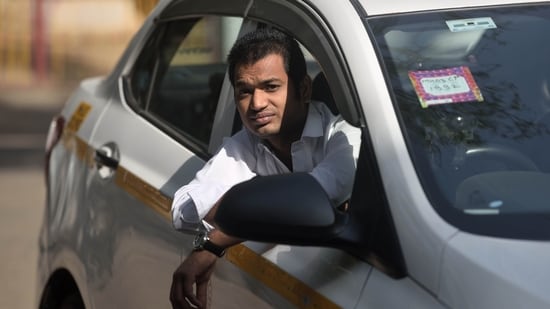
Announcing the decision in the state legislature, Sarnaik said, “Maharashtra has always welcomed people from across the country who come to the state in search of employment. However, drivers engaged in public transport should possess practical knowledge of Marathi to communicate with the people they serve. The requirement is not merely a legal obligation but also a social responsibility. Marathi is a language that connects people rather than divides them.”
“The primary objective of the amendment is to improve passenger safety and public service delivery. Clear communication between drivers and passengers will reduce misunderstandings, enable quicker assistance during emergencies, and improve commuters’ confidence in the public transport system. The government has not imposed the rule to oppose any other language but to ensure that drivers can effectively interact with passengers in Maharashtra,” Sarnaik said.
To facilitate smooth implementation, the transport department has been conducting a statewide training programme over the past several months. Thousands of experienced teachers have been empanelled through the efforts of the Konkan Marathi Sahitya Parishad, Mumbai Marathi Sahitya Sangh, the state Marathi language department, and industries minister Uday Samant. Practical Marathi training classes have been organised at regional transport offices (RTOs) and training centres at timings convenient for commercial drivers across the state.
According to the government, the training curriculum has been specifically designed to meet the day-to-day needs of commercial passenger vehicle drivers. It includes commonly used conversational Marathi; polite interaction with passengers; directions; destinations; fare-related communication; emergency situations; and specialised modules on interacting with women, senior citizens and persons with disabilities. Simple booklets, conversation guides, and easy-to-understand training material have also been prepared to make learning Marathi practical and accessible.
Sarnaik said that every individual working in Maharashtra should take pride in their mother tongue while also respecting and embracing Marathi, the state’s official language. Respecting Marathi, he said, is synonymous with respecting Maharashtra’s culture, history and the sentiments of its people. He expressed confidence that the initiative will strengthen linguistic pride while simultaneously improving passenger safety and the quality of public transport services. The government, he added, will continue to provide training, guidance and necessary assistance to ensure effective implementation of the new rules.
The announcement, however, drew mixed reactions from transporters and commercial vehicle operators. Some transport unions welcomed the decision, saying knowledge of basic Marathi will help drivers communicate more effectively with passengers, particularly tourists, senior citizens and women; and reduce disputes over routes, fares and destinations. They also said that the government’s decision to provide free training before enforcement is a positive step.


