
 E-Paper



PMC trains 300 ASHA workers to speed up malaria detection
Given the rapid urbanisation, rising construction activity, and increased migration from other districts and states, the city has been witnessing conditions favourable for mosquito breeding, says official

 Prefer HTon Google


The Pune Municipal Corporation (PMC) has trained more 300 ASHA workers to intensify malaria surveillance in the city, said the officials.
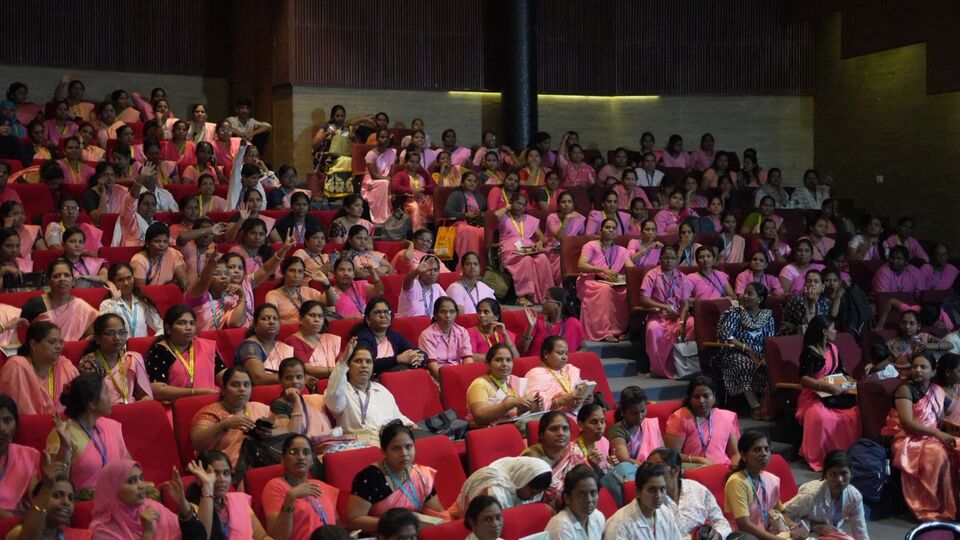
The civic health department distributed slide kits to the volunteers on Wednesday. The programme was chaired by Dr Nina Borade, health chief, PMC.
Earlier, PMC had trained 200 ASHA workers in August and distributed slide kits to them.
These kits will aid in testing samples from suspected malaria patients in the community as part of surveillance. Besides, it will help faster detection and treatment of malaria cases and strengthen frontline response and help curb the spread of the disease, they said.
Dr Rajesh Dighe, assistant health officer of PMC, said, given the rapid urbanisation, rising construction activity, and increased migration from other districts and states, the city has been witnessing conditions favourable for mosquito breeding.
“Stagnant rainwater often leads to the spread of vector-borne diseases such as malaria. Due to this, early detection and complete treatment of patients is crucial to preventing its transmission,” he said.
As per the National Vector Borne Disease Control Programme (NVBDCP), local bodies are expected to conduct both active and passive malaria surveillance. As part of passive surveillance, patients visiting the outpatient department and fever clinics in civic hospitals are tested for malaria. As part of the active surveillance, health workers go into the community and collect blood samples of symptomatic individuals. However, in Pune city, the active surveillance rate has remained critically low for the last three years.
According to officials, the blood smears are tested for malaria parasites. The number of such tests conducted annually is measured by a parameter called the Annual Blood Smear Examination Rate (ABER).
The NVBDCP recommends a minimum ABER of 10% of the total population. However, the ABER in Pune city remained just 3% for the past three years.


