
 E-Paper



PUMTA to decide whether PMRDA or Maha-Metro will execute Loni Kalbhor extension
A decision on the matter will be taken by the Pune Integrated Metropolitan Transport Authority (PUMTA) but the same is likely only after conclusion of the Lok Sabha (LS) elections

 Prefer HTon Google


While the Pune Metropolitan Region Development Authority (PMRDA) has submitted a feasibility report for extending the metro from Shivajinagar to Loni Kalbhor and Race Course to Swargate, the Maharashtra Metro Rail Corporation Limited (Maha-Metro), too, has evinced interest in these routes, leading to a dilemma as to which organisation will undertake the project. A decision on the matter will be taken by the Pune Integrated Metropolitan Transport Authority (PUMTA) but the same is likely only after conclusion of the Lok Sabha (LS) elections.
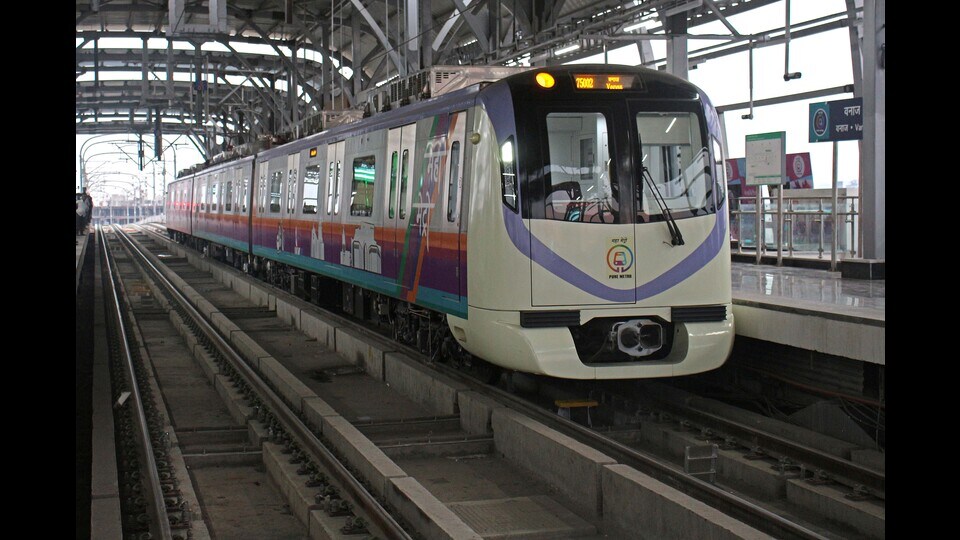
Currently, the PMRDA is executing the Hinjewadi to Shivajinagar metro line in a public-private partnership (PPP) with the Tata Group and plans are afoot to extend this line further to Loni Kalbhor and Swargate. Initially, the PMRDA had reservations about the viability of the extensions under the PPP model, and the authority had sought project development plans for the extensions from the Delhi Metro Rail Corporation (DMRC). Meanwhile, the Maha-Metro proposed a route from Khadakwasla to Kharadi, covering Swargate, Hadapsar and Loni Kalbhor. The Maha-Metro is executing the Pune Metro on an EPC (engineering, procurement and construction) basis. As both the PMRDA and Maha-Metro submitted their plans to the Pune Municipal Corporation (PMC), a decision was taken to consolidate their efforts.
The PMRDA took the initiative to appoint a transaction advisor to assess the feasibility of the extensions on a PPP basis and the report was submitted to the PUMTA. A PMRDA official said, “We got the report from the transaction advisor regarding the feasibility of the Loni Kalbhor metro extension. The advisor mentioned in the report that it is possible to execute the extension route under the PPP model. We have submitted the report to the divisional commissioner and a decision will be taken at the PUMTA meeting.”
Whereas, Maha-Metro sources said that it has prepared a detailed project report (DPR) of the Swargate-Loni Kalbhor metro line in which the Kharadi extension is mentioned at the Nobile Hospital Chowk and the Saswad extension is mentioned at the Hadapsar Gadital Chowk. The sources revealed that the DMRC had prepared a DPR clarifying that the PPP model is not feasible for the extensions. The central government agency had also denied the possibility of a PPP model for the Loni Kalbhor extension. The PMRDA, too, had received the same reply from other agencies, the sources disclosed.
But with the PMRDA-appointed transaction advisor having now submitted a report saying that the PPP model is feasible for the Loni Kalbhor extension, urban development officials have called a meeting of the Maha-Metro and PMRDA officials for the Swargate-Loni Kalbhor extension. One such meeting was held in Delhi during the last fortnight.
Future metro connectivity challenges
While the Maha-Metro currently employs an overhead equipment system for its metro trains, the PMRDA uses a third rail system. This has implications for future expansion as using both systems in the same city would complicate connectivity. Any future expansion by the Maha-Metro would require adherence to the overhead system whereas future expansion by the Maha-Metro would require adherence to the third rail system. Consequently, connecting the two metro systems in future does not seem feasible.


