
 E-Paper



Pune records highest number of dengue cases in September
According to doctors, the number of people diagnosed with dengue for the second time accounts for nearly 10% of the total number of dengue cases they have come across this year


PUNE: Water stagnation in many parts of the city due to the intermittent rain over the past couple of weeks has resulted in a surge in the number of dengue cases, with Pune city recording the highest number of dengue cases in September. But the bigger problem, according to doctors, is that the number of people diagnosed with dengue for the second time, is also on the rise.
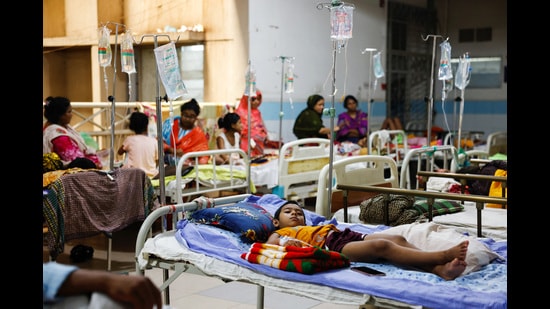
According to doctors, the number of people diagnosed with dengue for the second time accounts for nearly 10% of the total number of dengue cases they have come across this year. While it is very rare for a person with primary dengue infection to have secondary dengue, if a person who previously had dengue fever, is infected by another serotype (secondary dengue infection), the chances of developing severe dengue are much higher, the doctors said.
There are four serotypes of the dengue virus namely, DENV-1, DENV-2, DENV-3 and DENV-4. Dengue fever can be deadlier in case of a repeat infection. An infected dengue patient who has recovered from a particular serotype of dengue stays protected for a period of three months from all serotypes of dengue. After this period however, the protection wanes and the person can get infected by dengue again.
Dr Aniket Joshi, physician and intensivist at Sahyadri Hospitals, said that this year, the number of hospitalisations due to dengue is less. “Due to awareness among the public, the cases of dengue with severe dengue haemorrhagic fever and dengue shock syndrome are less. However, this year, there is concern over a significant number of patients coming with second-time dengue infection,” Dr Joshi said.
“The second-time dengue infection is serious and the patient has to be evaluated and admitted for treatment. Only in case of mild signs and symptoms, they are provided treatment at the outpatients’ department (OPD) level,” he said.
As per the data provided by the Pune Municipal Corporation (PMC) Health Department, in September, Pune reported 683 suspected and 70 confirmed dengue cases; the highest caseload reported this year. In September, 174 establishments were served notices and ₹18,500 was collected in fines/administrative charges by the civic body.
Dr Abhijit Lodha, physician at Ruby Hall Clinic, said that daily, they see around four to five dengue patients and out of the total number of cases, over 10 to 15% are of second-time dengue. “Hospitalisation due to dengue has declined in comparison to last month. The severity of dengue infection in secondary dengue patients is higher. In such cases, the antibody of the patient peaks early and the platelet count may decrease significantly over a short period due to the recent infection. All such patients are treated on an indoor basis,” he said.
Dr Suryakant Devkar, assistant health officer of the PMC, said that the dengue situation is under control in the city and there is no under-reporting. “The hospitals and laboratories notify us of the cases and we also have Malaria Surveillance Inspectors (MSI) who conduct visits at private facilities to verify the cases. The awareness activities and surveillance are ongoing in the entire city,” he said.


