
 E-Paper



Pune traffic is high on my priority list, wardens to be monitored: New police commissioner
Kumaar told the Hindustan Times in an exclusive interview that he wants to use more technology to monitor real-time traffic police movement with a single click


PUNE: Retesh Kumaar, the newly appointed commissioner of police (CP) who took over from outgoing CP Amitabh Gupta on Friday, is a tech-savvy individual. Before being appointed CP of Pune, Kumaar was the head of the state Criminal Investigation Department (CID). He is well-known for modernising the department, and was instrumental in winning two awards for the most effective use of high technology at the state level and the most secure use of technology to maintain privacy. Throughout Maharashtra, he has successfully implemented the Crime and Criminal Tracking Network and Systems (CCTNS) / Inter-operable Criminal Justice System (ICJS).
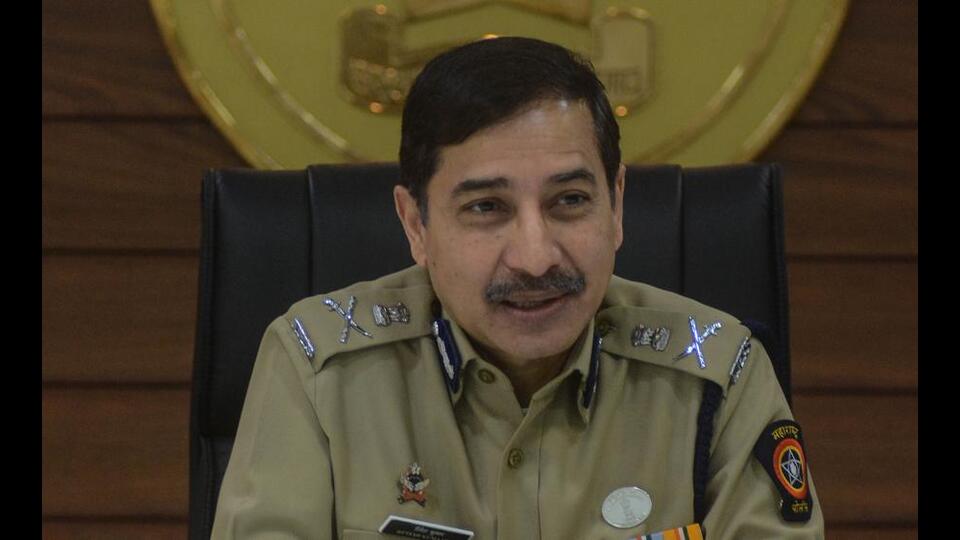
Kumaar told the Hindustan Times in an exclusive interview that he wants to use more technology to monitor real-time traffic police movement with a single click. He has also decided to use advanced technology to strengthen the Cybercrime department. Previously, HT highlighted the absence of traffic cops from their assigned duty locations. Kumaar spoke with Shrinivas Deshpande of the Hindustan Times about the city’s crimes, his vision, and his plans for Pune.
What are your plans to address Pune’s traffic issues?
Pune is a growing city with over 35 lakh vehicles, and construction work such as bridges, metro, and other projects are underway, causing traffic congestion. We have decided to monitor traffic using modern technology such as artificial intelligence and GPS. Initially, we intend to use technology to track the real-time movement of traffic wardens in every corner of the city. We are considering collaborating with all of these real-time systems. Second, because we have a limited staff, we have decided to divide our traffic staff according to peak hour schedule. Staff should be used to their full potential during peak hours and on weekends.
This staff priority based on need will allow us to monitor traffic much more effectively. In addition, the Pune Municipal Corporation (PMC) is providing us with traffic wardens, which will be an additional benefit. But, yes, the traffic problem is high on my priority list.
You are well-known for your use of technology in administration. Will there be more technical interventions at the Pune Police Commissionerate?
Technology is extremely important in today’s world. I recently held review meetings on the subject and gathered input that will be used in the implementation of modern technology in the Pune city police. To begin, I believe that traffic, crime detection, prevention, data analysis, real-time patrolling, surveillance, police communication, and wireless are prominent areas where we are considering implementing modern technologies for better policing. We will proceed in a step-by-step fashion.
Cybercrime has presented Pune police with a new challenge. Embroiled a sextortion case, two young people died by suicide recently. Have you decided how to approach it?
We can help people in two ways: first, by responding quickly to complaints, and second, prevention is better than cure, which I believe is more important. If an incident is brought to our attention, we will conduct a thorough investigation and process a charge sheet and arrest as soon as possible. Second, because many victims are young people, we can educate them through various media. As a result, we can also rely on social media. However, to avoid such incidents, we have decided to strengthen our cybercrime department.
The city’s noise pollution is getting worse by the day. No action has been taken against Ganesh Mandals for violating noise regulations during the Ganpati Festival. Is political pressure the reason behind it?
We intend to meet with Ganesh Mandals within the next two to three days. Also, this happened in September, and I have no idea what happened. Please allow me to investigate this matter.
What is your strategy for reducing crime in Pune?
We have divided the city’s crimes into three categories. The first is organised crime, which will be controlled by MCOCA and MPDA. The second category includes street crimes such as chain snatching, theft and motorcycle theft, while the third category includes crimes against specific targets such as the elderly and children. We will concentrate on crimes in the third category and will soon launch a programme to combat them. We have chosen proactive policing because we all know that prevention is better than cure.
You have worked hard to improve the conviction rate at CID. Pune has a very low conviction rate as well. How are you going to act on it?
On Monday, I presided over a review meeting for the city’s conviction rate, which I discovered to be very low. As a result, we decided to implement a support monitoring system, increase liaison with the prosecution and increase communication with witnesses to increase the conviction rate. What we learned in CID must be implemented here, with the main focus being on training police officers on how to increase the conviction rate.
The second factor is that due to the COVID outbreak, cases were delayed, resulting in a low conviction rate. However, it should be around 50-55%, and we are working on it.
How do you deal with various recruitment scams as the police recruitment season approaches?
In the upcoming police recruitment, I will ensure complete transparency. All processes will be monitored by our special officer. Also, this time, physical examinations are scheduled first, followed by written examinations for qualified candidates. This year, we will immediately display the marks obtained by candidates during physical exams, ensuring that the exams are conducted in an open and transparent manner.
What is your vision for Pune?
We want to provide a police administration that is friendly to the public. Will make an effort to provide people-centred administration and hope to make Pune the safest city in the country. People will feel more friendly when approaching police stations. What exactly is success? Success is nothing more than making the people in the city feel friendly when approaching the police station at any time. To achieve this, we must change our mindset. I understand that this is a lengthy process, but we must begin so that we can arrive at our destination one day.


