
 E-Paper



Pune witnesses sharp spike in malaria cases
As of September 30, the city has reported 88 malaria cases, marking a fourfold rise compared to the 23 cases recorded during the same period last year


Pune city has witnessed a sharp increase in malaria cases this monsoon season. As of September 30, the city has reported 88 malaria cases, marking a fourfold rise compared to the 23 cases recorded during the same period last year, according to officials from the Public Health Department.
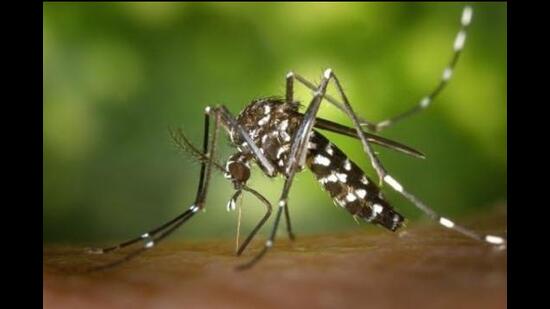
Data from the State Epidemiology Department and the Pune Municipal Corporation (PMC) show that between January 1 and September 30, 2023, the city has seen a significant uptick in cases.
Dr Rajesh Dighe, assistant health officer at PMC, explained that the reported malaria cases include both rapid diagnostic test results and confirmed cases from blood smear tests.
“Rapid test results indicate suspected cases, which are then confirmed through blood smear tests. Only those confirmed through blood smears are considered official malaria cases by the PMC. Additionally, testing and reporting protocols have improved this year,” he said.
Statewide, Maharashtra has reported a total of 18,381 malaria cases through September 30, with Mumbai leading at 8,001 cases. However, there have been no deaths reported this year, compared to six malaria-related deaths during the same period last year.
In response to the growing malaria cases, the Maharashtra Public Health Department has initiated a statewide survey to identify new cases of malaria. Health workers are conducting door-to-door surveys in both rural and urban areas, collecting samples from suspected cases. Data on malaria patients is being compiled from reports submitted by both government and private hospitals, as well as laboratory results.
Dr Sandeep Sangale, joint director of Health Services, confirmed that the Maharashtra Health Department has intensified its anti-malaria campaign across the state.
“In line with Central Government directives, each district now has a laboratory facility at the primary health centre level. Laboratories are also set up at the block level to conduct night blood tests, as malaria parasites are most active at night. Health officials and ASHA workers have been trained to identify and care for malaria patients to ensure early detection and prompt treatment,” he said.


