
 E-Paper



Rise in hyena sightings in Pune district; two rescued from wells, one died in road accident in June 2022
Though there has been no census of this animal, according to forest officials, experts have reported a rise in the sightings of this nocturnal scavenger


PUNE Over the past three years, there has been a distinct rise in lesser-known scavenger species, hyenas, found dead or rescued in the Pune district.
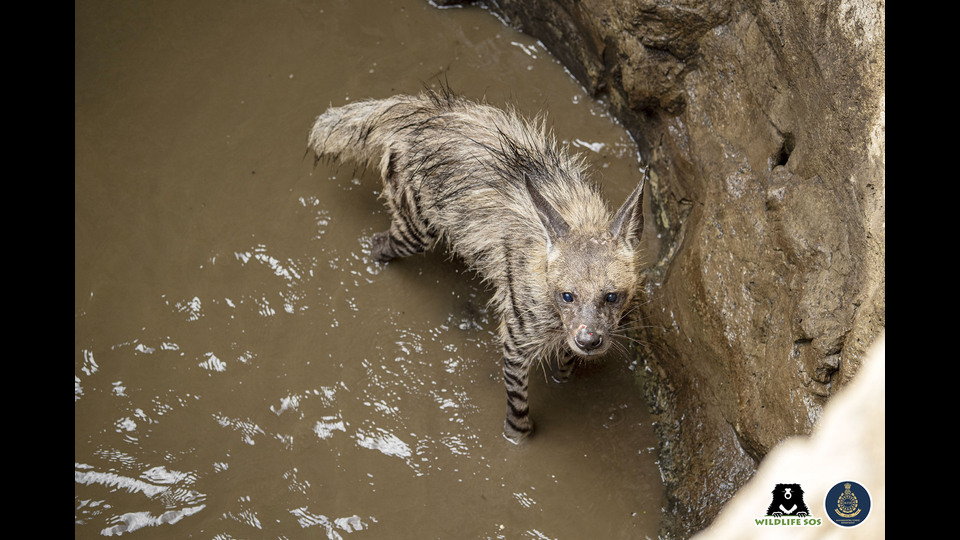
In June 2022, there have been three instances where the hyenas were sighted, two were rescued from wells and one died in a road accident.
Though there has been no census of this animal, according to forest officials, experts have reported a rise in the sightings of this nocturnal scavenger.
According to Amol Satpute, deputy conservator of forests, “There is no separate census for the hyena population, which are mainly concentrated in the agriculture-dominated landscape comprising private farmlands, forest lands, and pastures. Hyenas mostly hunt at the night, hence sometimes following their prey, they fall into wells, which are often open in the villages. in the past two years, we have seen them coming closer to the villages and the highway.”
According to data by the forest department, in 2020, a striped hyena escaped a narrow brush with death after falling into a 15-foot-deep well in Ane village, located in the Otur forest range.
Wildlife SOS and the forest department have rescued several hyenas from open wells and highway accidents. “Wells are a source of fresh drinking water, but in Maharashtra, open uncovered wells have become death traps for unsuspecting leopards, hyenas, and other wildlife and pose a real and fatal danger to people as well,” said range forest officer, Manchar, Sandesh Patil.
Nikhil Bangar, wildlife veterinary officer, Wildlife SOS, said, “Most of the time the hyena, often are found to be dehydrated, exhausted from its struggle to escape out of the well and often sustain minor abrasions on the body. The intensity of the sightings of these animals has increased this year at the end of summer, with water scarcity, they end up coming closer to villages in search of their prey and water.”
Bangar in June released a female hyena back into the wild as there were no major injuries and the animal was fit.
“Hyenas are seen as dangerous animals and they are widely misrepresented in culture, folklore, and even in movies. The Indian striped hyena is the only species of hyena that is found in the Indian subcontinent and are protected under the Wildlife Protection Act,1972. Their estimated population is under 10,000 and is classified as ‘Near Threatened’ on the International Union for Conservation of Nature (IUCN) red list,” said Kartick Satyanarayan, chief executive officer (CEO) and co-founder of Wildlife SOS.
“India is home to 20% of the hyena population in the world and their population is steadily decreasing due to hunting practices. With little or no provision for wildlife corridors or underpasses in and around city limits that allow urban wildlife to crossroads or railway tracks safely, many unsuspecting animals put their lives at risk while navigating the roads and often fall victim to vehicular or train collisions,” said Satyanarayan.
When and where?
November 17, 2020:Male hyena rescued from well in Otur
October 17, 2021: Male hyena paralysed in a road accident at Otur
June 3, 2022: Male hyena injured in an accident (sustained jaw fracture and later died), Manchar
June 17, 2022: Female hyena was rescued from a well in Junnar
June 18, 2022: Female hyena was rescued from a well in Shirur
(Those injured are treated and released back to their natural habitat)
Call for support
The Habitats Trust, a not-for-profit organisation, working towards the protection and conservation of India’s natural habitats and their indigenous species, is inviting applications to financially support organisations and individuals doing seminal work towards protecting and conserving India’s threatened wildlife and natural habitats. The Habitats Trust Grants, with a total prize purse of ₹3.20 crore, will be given in three categories to secure India’s rich biodiversity. The application portal for the grants will remain open from June 23, 2022, to August 5, 2022, and forms can be filled online and accessed from https://www.thehabitatstrust.org/
Rushikesh Chavan, head of The Habitats Trust, said, “Your support will help ensure that we can carry out a diverse range and scale of projects.”


