
 E-Paper



Rising costs, fuel shortage push visiting students out of Pune
Rising living costs and an LPG shortage are driving students from Pune, with expenses nearly doubling and many messes shutting down or reducing services.

 Prefer HTon Google


A sharp rise in living expenses and acute LPG shortage are forcing hundreds of students and competitive exam aspirants to leave Pune and return to their hometowns.
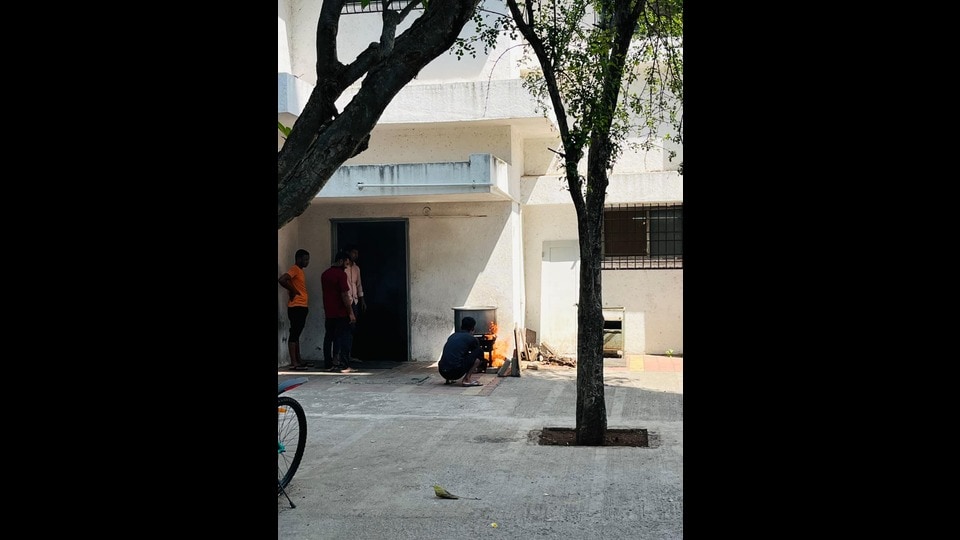
A key education hub, areas such as Sadashiv Peth, Narayan Peth, Navi Peth and Karvenagar are witnessing a noticeable drop in student presence, especially among those preparing for civil services and other competitive exams.
The LPG shortage has severely disrupted mess services, breakfast centres and small eateries. Many have either shut down or scaled back operations, while others have raised prices citing higher cylinder costs, erratic supply and added transportation or gas surcharges.
Students said their monthly expenses have nearly doubled—from around ₹8,000 to ₹14,000– ₹15,000. Basic food items have become significantly costlier: poha, once priced at ₹20, now costs ₹30– ₹35, while tea, coffee and meals have also seen steep hikes. In many places, a single meal now costs ₹80– ₹100.
Mess operator Sunita Chavan from Narayan Peth said that she is struggling to continue operations due to the shortage. “The mess is currently running on a coal stove, with only limited items like masala rice being served, and may shut soon as the number of students has dropped sharply from around 40 earlier to barely a dozen daily,” said Chavan.
Maithili Deshpande, a third-year engineering student, said, “I and six of my friends from Vidarbha have temporarily returned home as the mess could not provide regular meals due to LPG shortage. We plan to return next month if the situation improves.”
Sunil Jagtap, who runs a mess in Karvenagar, said the menu has been cut down to just a couple of breakfast items like poha and sabudana, now priced at ₹35. “The mess operates only in the morning on a traditional stove and has stopped lunch and dinner services due to constraints,” he said.
The impact has extended to hostels as well. Sanjay Thakkar, who runs a girls’ hostel on Laxmi Road, said, “We have stopped providing food and are offering accommodation only, leading to many students leaving.” He likened the situation to the 2020 Covid lockdown, with several girls vacating due to lack of food facilities.
Student representative Nitin Andhale said the rising cylinder prices have pushed mess charges beyond affordability, forcing some students to share meals or skip food altogether.
“I came to Pune from Beed to prepare for MPSC, but now half my time goes into managing food and expenses. Sometimes we skip meals to save money,” said Sagar Jadhav.
The crisis has affected university hostels. At Savitribai Phule Pune University (SPPU), meals in some girls’ hostels are being cooked on traditional stoves due to the shortage. Satish Waghmare, member, Dining and Amenities Oversight Committee, said inspections are being carried out and alternative arrangements suggested to ensure students are not inconvenienced.
Rahul Sasane, head, University Students’ Struggle Action Committee, has criticised the administration, calling it a “silent spectator” and warning of protests during the budget session over the issue.
The impact is visible in study libraries as well with many operating at less than half their capacity. “Libraries are getting empty… I’m staying back only due to exams, but it’s financially stressful,” said Sneha Mondhe.
Estimates suggest that nearly 30%–40% visiting students have already left the city, with more likely to follow if the situation persists.


