
 E-Paper



Sewage testing to help detect disease outbreaks before clinical cases rise
The surveillance system can track pathogens circulating in communities, monitor changes in their prevalence


Wastewater testing could help health authorities detect disease outbreaks before patients report to hospitals, under the Centre’s new national guidelines on wastewater surveillance. The framework seeks to standardise sampling, laboratory testing, sequencing and data reporting across the country.
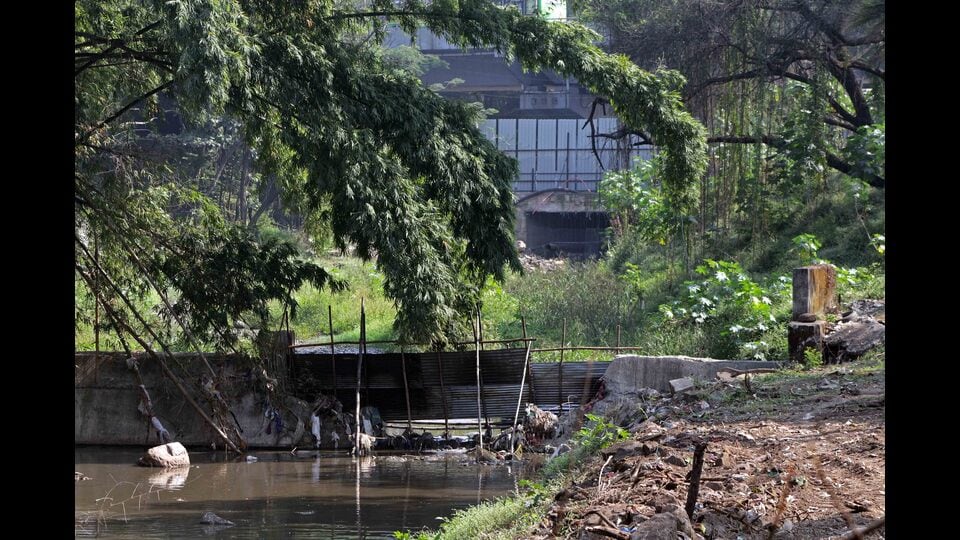
Titled ‘Wastewater Surveillance for Pathogens of Public Health Importance’, the guidelines cover influenza, monkeypox, hepatitis A and E, rotavirus, adenovirus, respiratory syncytial virus (RSV), and bacteria such as Vibrio cholerae and Salmonella typhi.
Dr Rajesh Karyakarte, a member of the expert committee that drafted the guidelines, said wastewater testing could detect infections even among people with mild or no symptoms.
“We saw this during Covid-19. There were certain waves when hospital admissions were relatively low, but infections were widespread. Many people had subclinical infections and were not reporting to hospitals,” he said.
The surveillance system can track pathogens circulating in communities, monitor changes in their prevalence and provide early warnings of emerging infections.
Karyakarte said standardised testing was essential to make results from different laboratories comparable.
“Wastewater surveillance lets us detect pathogens such as SARS-CoV-2, enteroviruses and antimicrobial resistance at the community level, often before clinical cases rise. A common national framework for sampling, laboratory methods, sequencing and data reporting should help make this public health tool consistent and comparable across the country,” he said.
Pune has already piloted wastewater surveillance. Scientists from the CSIR-National Chemical Laboratory (NCL), in collaboration with the Pune Municipal Corporation, began collecting sewage samples in December 2020 and detected SARS-CoV-2, the virus that causes Covid-19, in samples from different parts of the city.
Dr Bhagwan Pawar, deputy director of health services, Pune division, said wastewater surveillance helped predict disease burden and guide public health interventions during the pandemic.
“Wastewater-based epidemiology is a rapid and cost-effective alternative to individual testing. It complements clinical data by collecting viral shedding data from both symptomatic and asymptomatic people at a community level,” he said.


